Golf in the Western Algarve: Why the Other Half of the Coast Deserves Your Attention

From Lagos to Carvoeiro, the courses west of the Golden Triangle are quieter, more varied, and consistently underestimated.

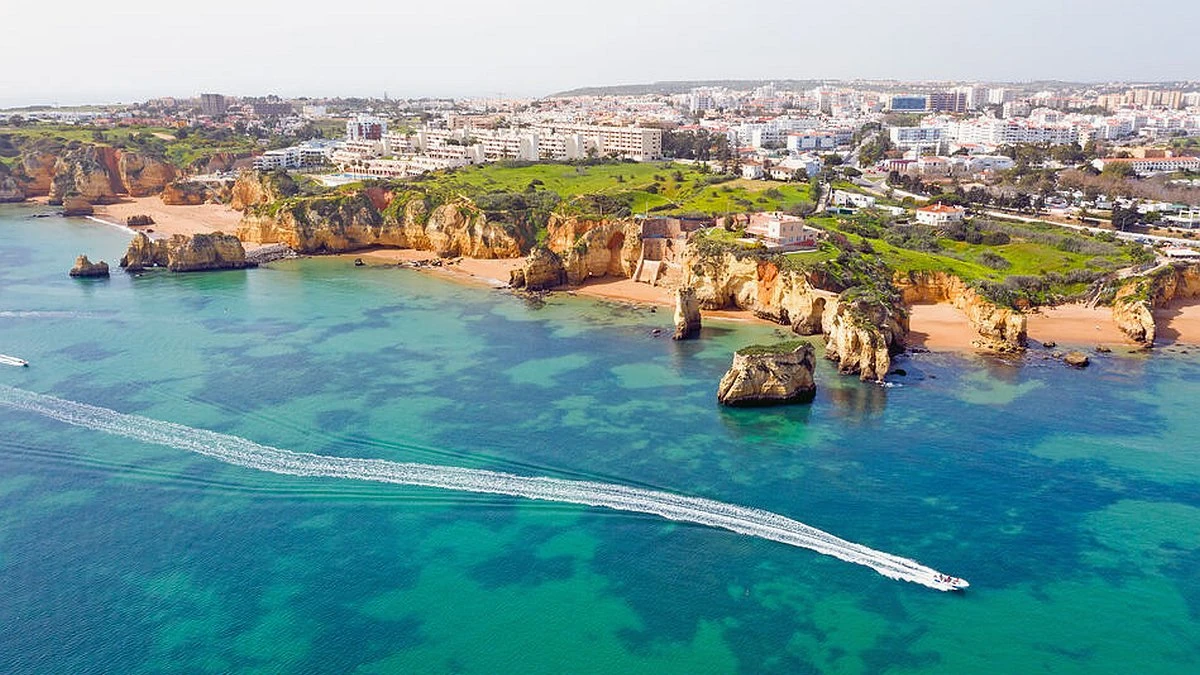
Most golfers booking a trip to the Algarve set their coordinates for the same stretch of coastline — Vilamoura, Quinta do Lago, Vale do Lobo. And it cannot be denied that these courses stand on their own as World-Class golf courses. The western half of the coast, however, runs its own game entirely, and has been doing so for a long time. And these courses deserve your attention.

Western Algarve Lagos

Lagos

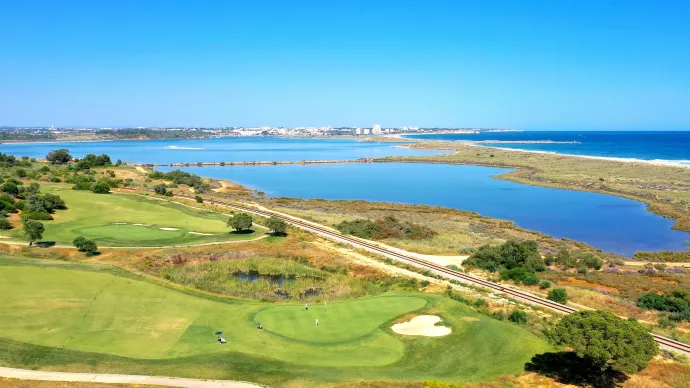
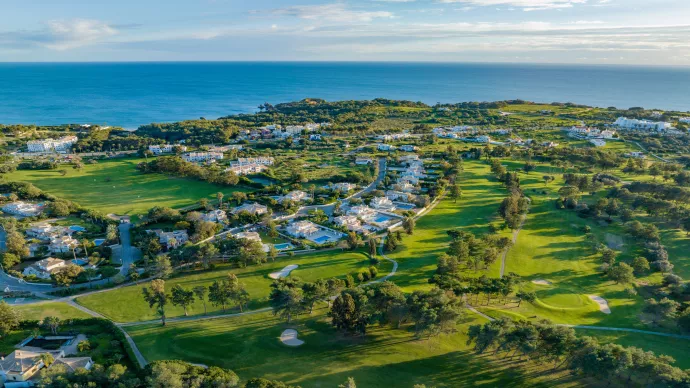
Three courses sit in and around Lagos, each distinct enough to fill a week without repetition. Palmares is the most prominent — 27 holes redesigned by Robert Trent Jones Jr., combining parkland terrain with genuine links-style holes along the Meia Praia shoreline. The views across the Bay of Lagos from the upper sections are among the best you will find on any course in the country.

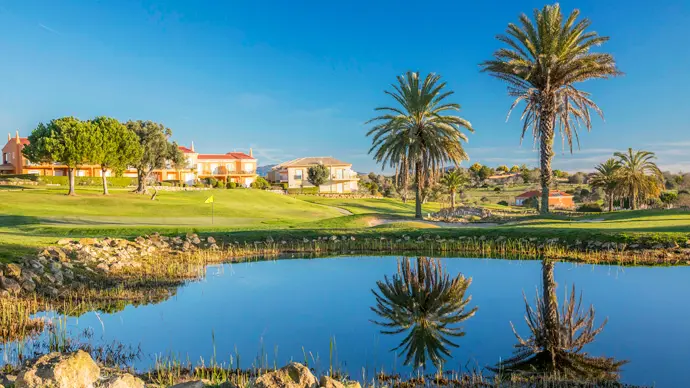
Designed by Howard Swan, the Boavista course does not receive the attention it deserves. Its two distinct sections climb to the highest point of the resort, before descending through landscaped valleys and water features to the clubhouse. The par-4 seventh, played against a backdrop of Atlantic and the Monchique hills, is worth the round on its own.

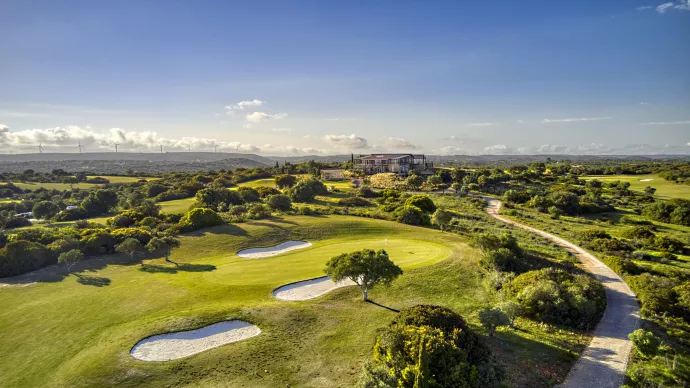
Espiche, the newest of the three, takes a softer approach — an undulating layout that works with the natural terrain rather than against it, and one that consistently rewards precision over power.

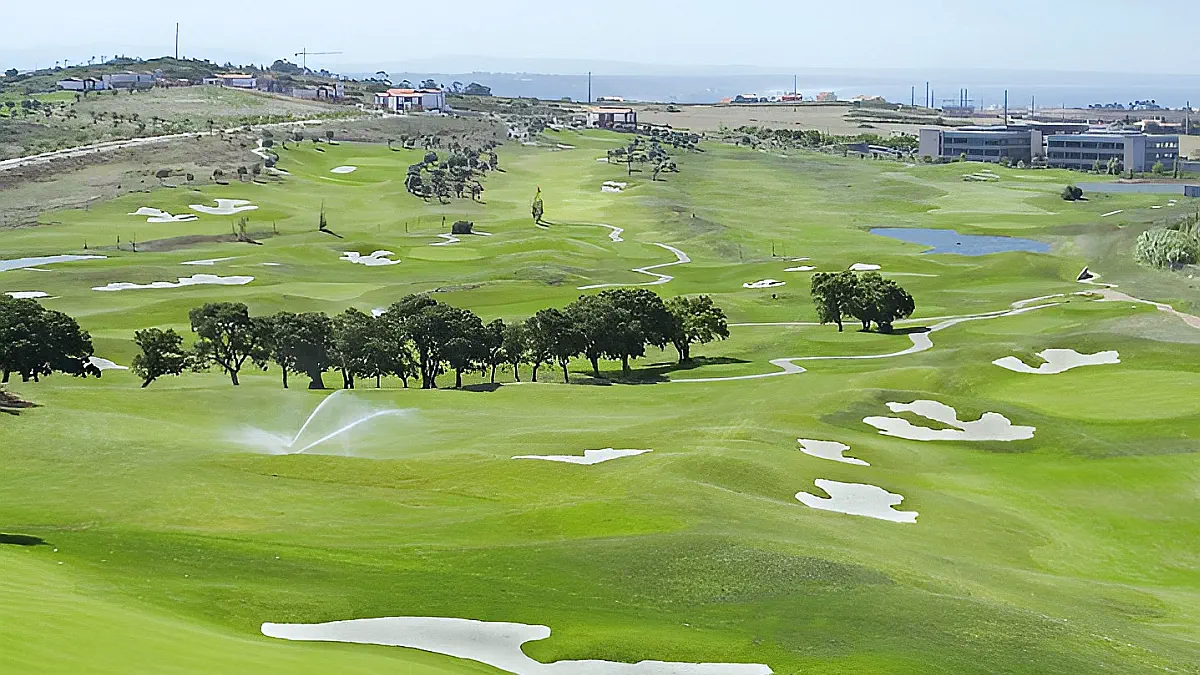
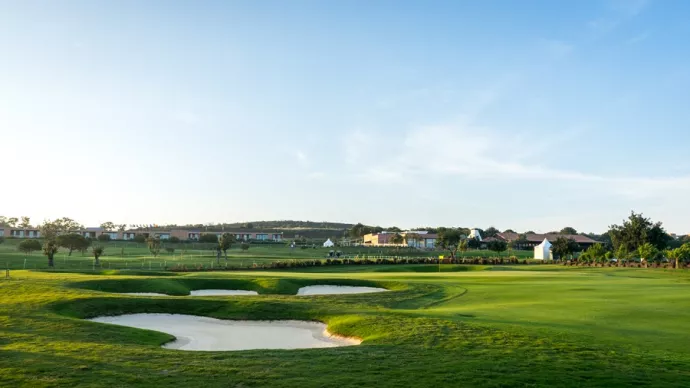
Palmares Golf Course, Lagos — 27-hole links-style layout with views over the Bay of Lagos, Western Algarve Boavista Golf Course, Lagos — Howard Swan design with Atlantic and Monchique hill views, Western Algarve Espiche Golf Course, Lagos — undulating layout set within the natural terrain of the Western Algarve
Portimão

Morgado presents the most generous setting in the area — a Seve Ballesteros design spread across a vast estate north of the city, with wide fairways, six par threes, and conditions that hold up impressively through the season. The scale of the property gives the round a sense of occasion that is difficult to find elsewhere in the western Algarve. Its neighbour, Álamos, is a par-71 layout with undulating fairways, well-placed bunkers, and steeply sloping greens that make the short game decisive. Views across the Monchique mountains and surrounding farmland make it worth seeking out, particularly for those spending longer in the area.

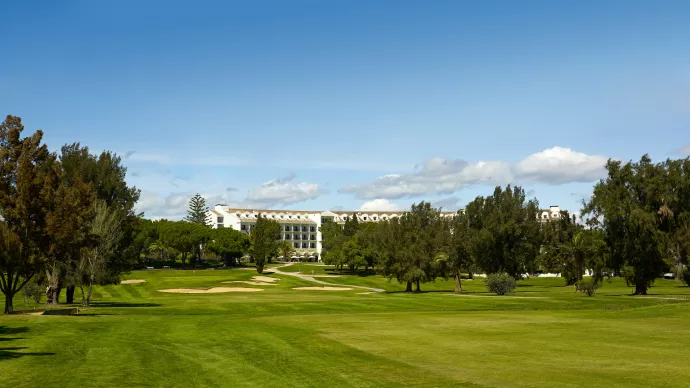
Penina needs no introduction to anyone who has followed golf in Portugal for more than five minutes. Sir Henry Cotton’s 1966 design — built on converted rice paddies — is the oldest course in the Algarve and hosted the Portuguese Open six times. It remains a flat, strategically demanding test that rewards course management over distance. The resort facilities are extensive. This is a base, not just a tee time.

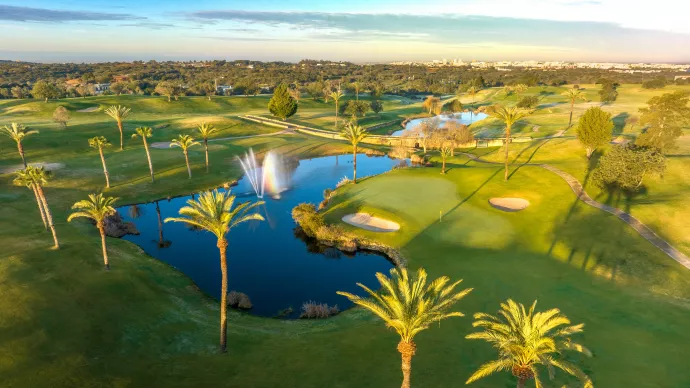
Alto Golf offers a different proposition — elevated tees, sea views, and a layout that grows more demanding as the round develops. The par-5 sixteenth, with its substantial lake, has ended more than a few good cards.

Morgado Golf Course, Portimão — Seve Ballesteros design, Western Algarve Penina Championship Golf Course, Portimão — oldest course in the Algarve, designed by Sir Henry Cotton Alto Golf Course, Portimão — elevated tees and sea views, Western Algarve
Carvoeiro

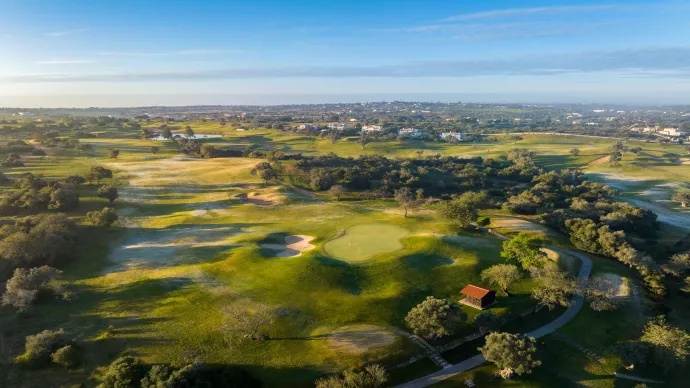
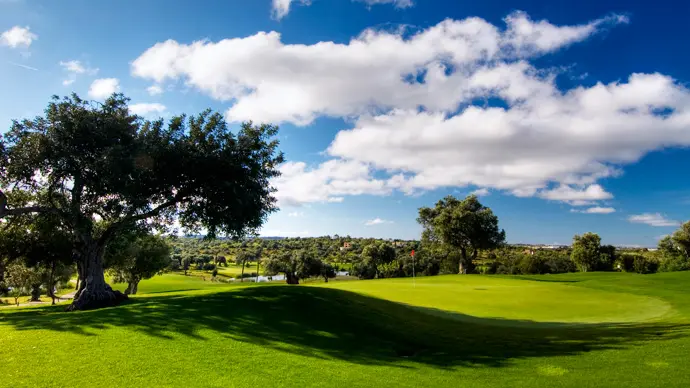
Vale da Pinta and its neighbour Gramacho form a natural two-course combination around Carvoeiro. Vale da Pinta is the more celebrated of the two — ancient olive trees, uneven lies, and an atmosphere that feels older than the game itself. Gramacho is the more accessible partner, redesigned from nine holes to eighteen, with almonds, olives, and carobs providing the backdrop.

Silves Golf, a few kilometres inland, adds a third option — orchards and farmland framing a layout that is gentler in character but no less enjoyable for it.

Vale da Pinta Golf Course, Carvoeiro — ancient olive trees and undulating fairways, Western Algarve Gramacho Golf Course, Carvoeiro — almond and olive tree backdrop, Western Algarve Silves Golf Course — orchards and farmland setting inland from Carvoeiro, Western Algarve
Worth Knowing

Faro Airport is around an hour from Lagos — a manageable drive either way, and one that is easily sorted with a pre-booked transfer. The western Algarve is quieter than its eastern counterpart, particularly outside the summer months, which makes it a better choice for golfers who prefer an unhurried pace on and off the course. Lagos and Portimão both have proper food scenes — seafood that takes itself seriously, restaurants that fill up for the right reasons.

East, Central or West, whatever your choice, browse our full selection of Algarve golf courses or explore golf holidays in the Algarve to start planning an unforgettable trip.


MADEIRA IS GETTING A MAJOR MAKE-OVER

MADEIRA IS ABOUT TO BECOME A VERY DIFFERENT DESTINATION

There is a moment in every destination’s story when it stops being a well-kept secret and becomes something rather more significant. For Madeira, that moment may be arriving sooner than most people expected.

The Madeira government has confirmed plans to open 36 new holes across the archipelago over the coming years. That is not a minor adjustment to the programme. For an island currently offering three golf venues and 63 holes, it represents a visionary transformation. And at the centre of that transformation is one of the most eagerly anticipated course openings in European golf.

A CLIFFTOP COURSE TWENTY YEARS IN THE MAKING

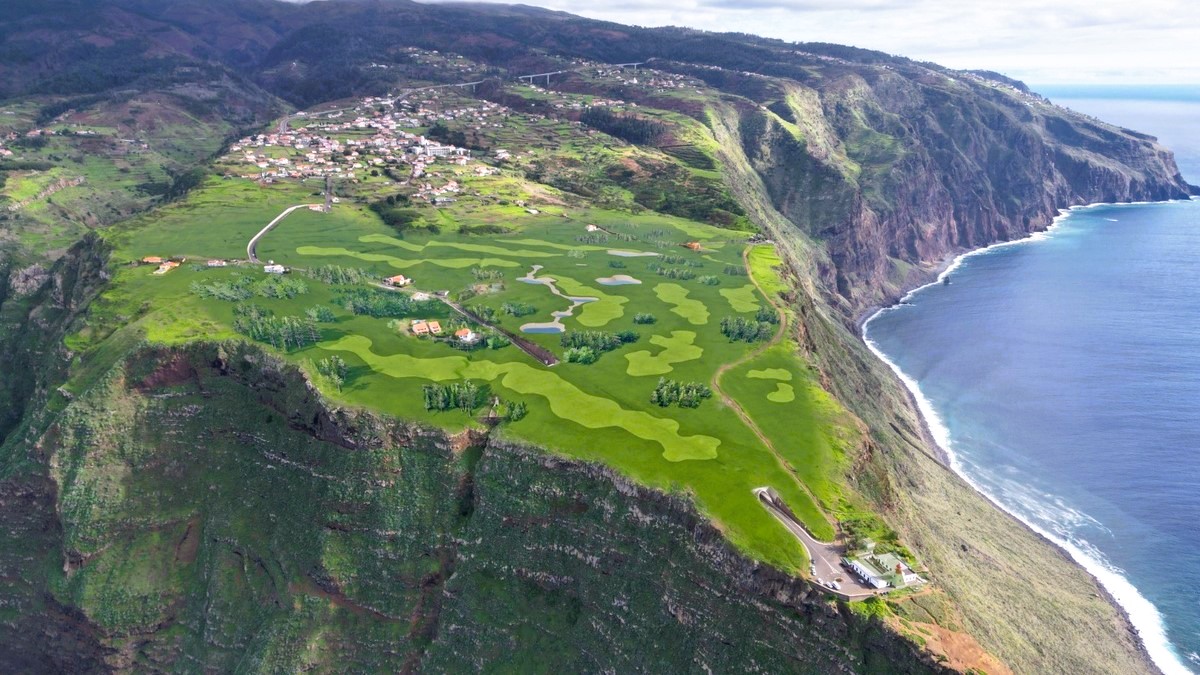
Ponta do pargo golf course madeira cgi render faldo design

The site of Sir Nick Faldo’s course at Ponta do Pargo was originally conceived more than fifteen years ago, before construction was halted by the global financial crisis in 2009. The dream did not disappear — it simply waited. Construction restarted, and the par-72 layout is now in its final stages, perched high on the clifftops of Madeira’s westernmost point with sweeping views across the archipelago and out to the Atlantic.

Faldo himself has been characteristically direct about what he found when he returned to the site. He described it as “a golf course designer’s dream” — a site where the natural landscape does much of the work, and where the designer’s role is as much about restraint as invention. Sustainability has been central to the process from the start. The decision to install Madeira’s native Kikuyu grass — which thrives on natural rainfall without irrigation — is expected to dramatically reduce the course’s water consumption throughout the year.

The course covers 120 hectares of natural landscape and will be supported by practice facilities including a driving range, short game area, a nine-hole pitch and putt course, and a clubhouse, restaurant and hotel. The opening is anticipated for 2027.

SANTO DA SERRA GETS EVEN BETTER

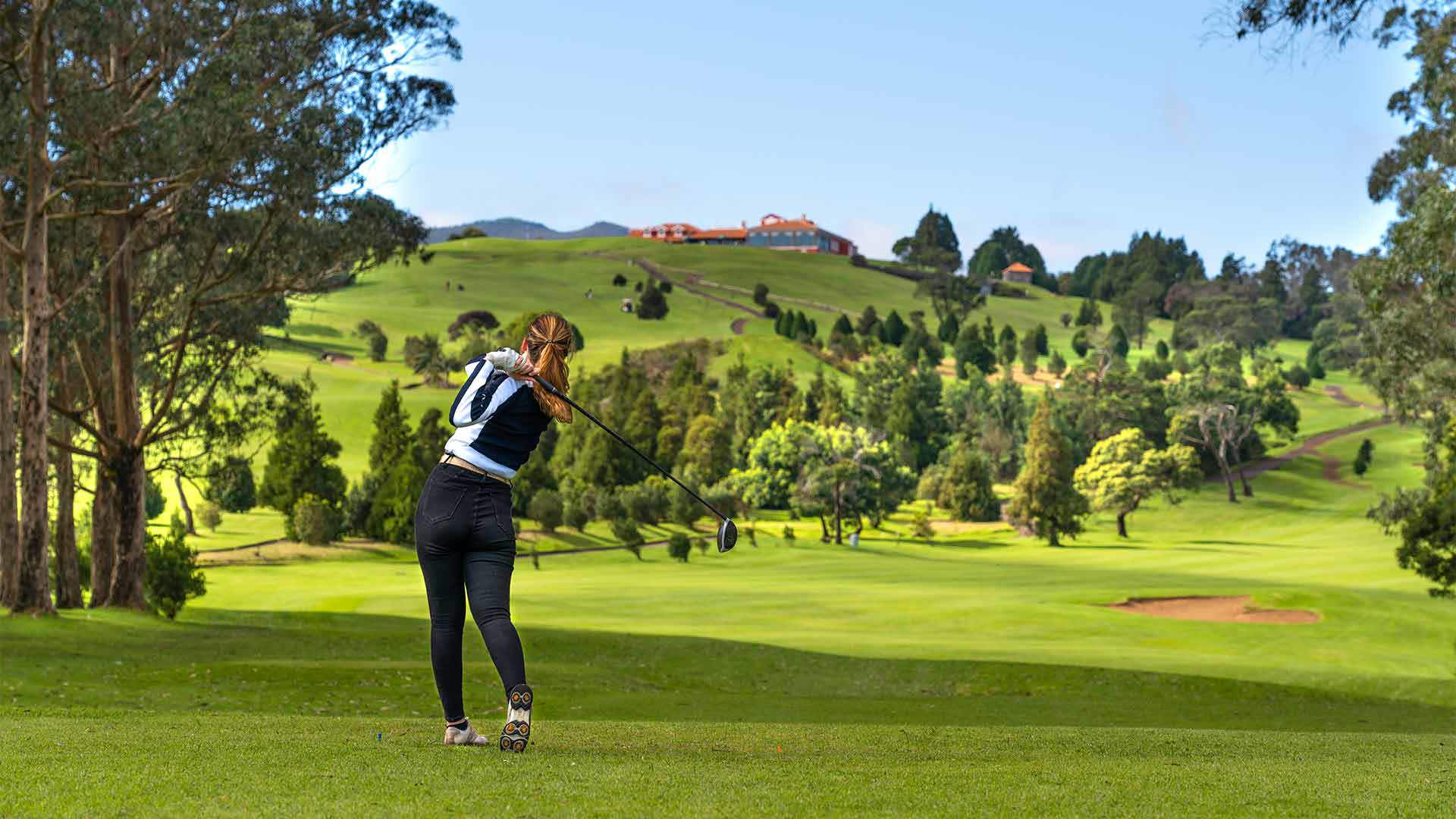
The oldest golf club in Madeira, Clube de Golf Santo da Serra already boasts three nine-hole loops — the Machico, the Desertas and the Serras — all designed by Robert Trent Jones Snr, and has hosted the European Tour’s Madeira Islands Open on ten occasions. An additional nine-hole layout will take it to 36 holes. The project will also include the construction of two new lakes for water collection and sustainable water management, with the stored water used to irrigate the course.

Santo da Serra golf course madeira couple fairway

It is worth noting that Santo da Serra does not arrive at this moment of expansion from a position of weakness. The course was recently named Portugal’s Best Golf Course in the Players’ Choice category at the 2025 Golfamore Awards — an honour decided entirely by golfers, based on more than 160,000 reviews logged across a voting pool of over 100,000 players. It also recently completed a €2.5 million investment programme aimed at enhancing the playing experience for both members and visiting golfers. A course that is already the best in the country, now adding nine more holes. Not bad.

PORTO SANTO JOINS THE EXPANSION

The expansion does not stop on the main island. Porto Santo Golfe — set on Madeira’s quieter sister island, famous for its seven-kilometre beach — is also in line for a new nine-hole addition. For golfers who have already played the existing 18-hole course, that is a significant development. Porto Santo has long been the kind of place you visit once, intend to return to, and somehow never quite manage. More golf holes may finally provide the decisive nudge.

THE DESTINATION RIGHT NOW

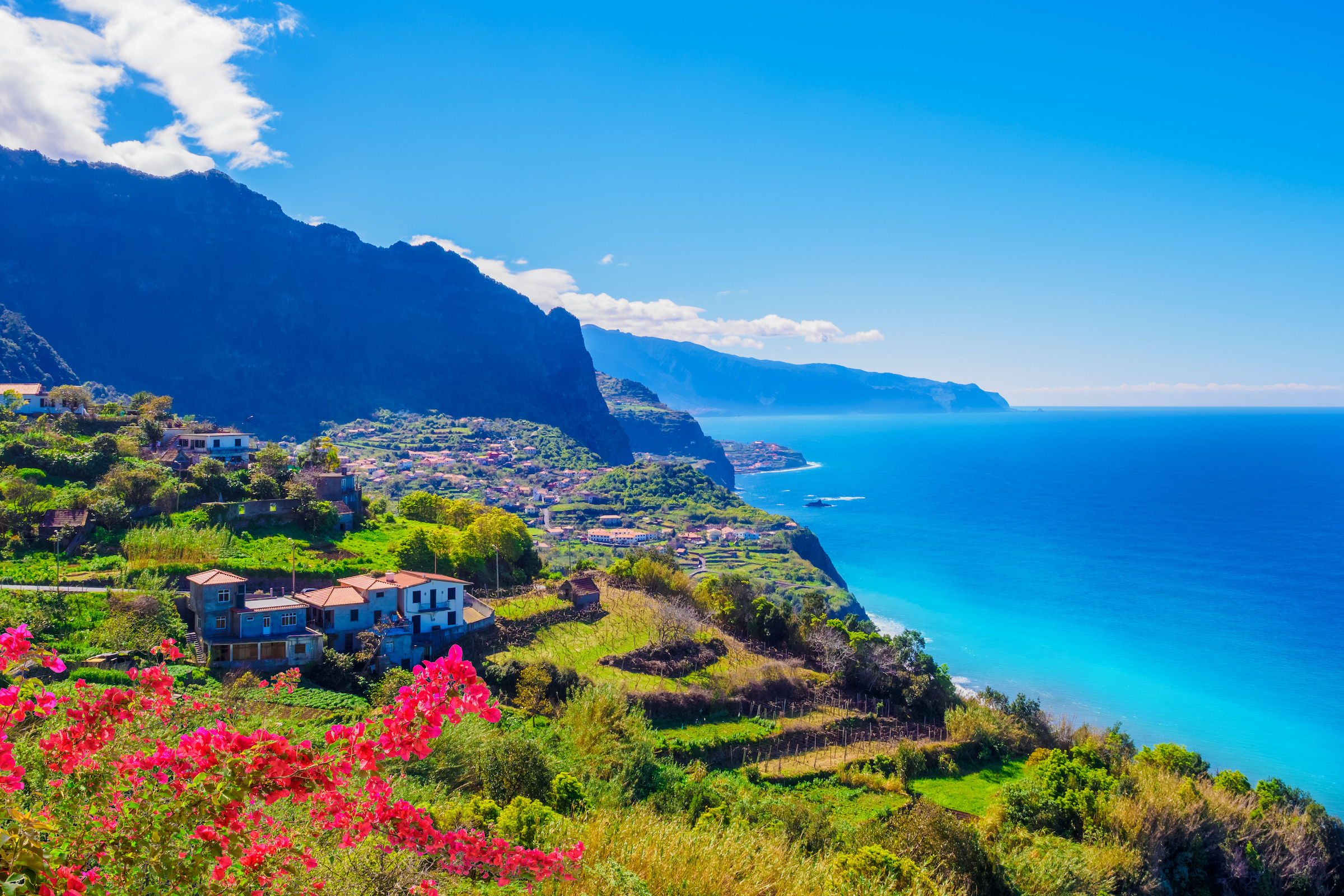
Madeira island golf destination Portugal

All of this is coming. But the case for a Madeira golf holiday does not require a building site. International rounds played across the islands rose by more than ten per cent in 2025, with Madeira’s four biggest overseas markets — Scandinavia, Germany, the UK and France — all posting growth. The destination earned the World Golf Award for World’s Best Emerging Golf Destination in 2025.

The Madeira Golf Passport remains one of the most popular ways to experience the destination, offering three rounds of golf at either Santo da Serra or Palheiro Golf from €290 per person, including complimentary transfers between hotel and course. For the value it represents — on an island with this much drama, this much scenery, and this much to do beyond the fairways — it is one of the better deals in European golf travel.

Tee Times covers Madeira in full, with tee times at Santo da Serra, Palheiro Golf and Porto Santo Golfe. Book now, before the word properly gets out. 

Masters of Design: How Iconic Golf Course Architects Elevated Portugal’s Tourism

Portugal is widely recognised as the best golf and tourism destination in the world. Its picturesque landscapes, mild climate, and challenging courses attract enthusiasts from across the globe. Central to this growing popularity is the influence of world-renowned golf course architects, whose creativity and vision have transformed the Portuguese golfing landscape, solidifying Portugal’s reputation as a global leader in golf tourism.

Legendary architects such as Robert Trent Jones Jr., Sir Henry Cotton, and Jack Nicklaus have left indelible marks on Portugal’s golf heritage. Robert Trent Jones Jr. was celebrated for his artistic integration of natural landscapes as the acclaimed Troia Golf Course. Situated south of Lisbon, Troia offers golfers the thrilling experience of seaside play, seamlessly weaving through dunes and pine forests, showcasing Jones’ philosophy of environmental harmony and aesthetic excellence.

Sir Henry Cotton, a three-time Open Champion turned visionary architect, profoundly impacted Portugal with his iconic Penina Hotel & Golf Resort in the Algarve. Opened in 1966, Penina was Portugal’s first 18-hole course, instantly elevating the country’s global golfing prestige. Cotton’s innovative layout provided a blueprint for subsequent course designs, blending classic British golfing traditions with the vibrant Mediterranean environment.

Golf Course Architects Influence

Jack Nicklaus, perhaps the most famous golfer-turned-architect, has significantly influenced Portugal’s reputation for luxurious and strategically challenging courses. The Monte Rei Golf & Country Club in Algarve epitomises Nicklaus’ meticulous approach, combining precision golf strategies with the region’s natural beauty. His signature designs have attracted significant international tournaments and discerning golfers seeking courses that balance difficulty and elegance.

More recently, golf course architects like Rocky Roquemore and Arthur Hills have further enriched Portugal’s golfing scene. Their designs emphasise sustainability and environmental stewardship, ensuring courses such as Quinta da Marinha near Cascais and Oitavos Dunes provide challenging play while preserving the surrounding ecological habitats. New designers in Portugal include Sergio Garcia, who developed Torre at Terra das Comporta, and Ernie Els, the creative mind behind The Els Club Vilamoura.

Tee Times Golf Holidays have further enhanced Portugal’s golf tourism by offering comprehensive golf packages that combine play at premier courses with accommodations and personalised services. These packages allow golf players to enjoy Portugal’s best golfing experiences tailored to their preferences and needs to enjoy their holidays.

The legacy of these architects has undeniably positioned Portugal at the forefront of global golf tourism. Their collective contribution continues to shape Portugal’s golfing identity, drawing visitors eager to experience the country’s unique blend of innovation, natural splendour, and rich golfing.