The Canary Islands: Spain’s Year-Round Golfing Secret

No peak season to dodge, no off-season to wait out, just the same welcoming weather window, twelve months running.

Most Spanish golf destinations are a trade-off. Book the Costa del Sol in August and you’re playing through serious heat; book it in January and you’re reaching for a jacket between holes. The whole calendar becomes a negotiation.
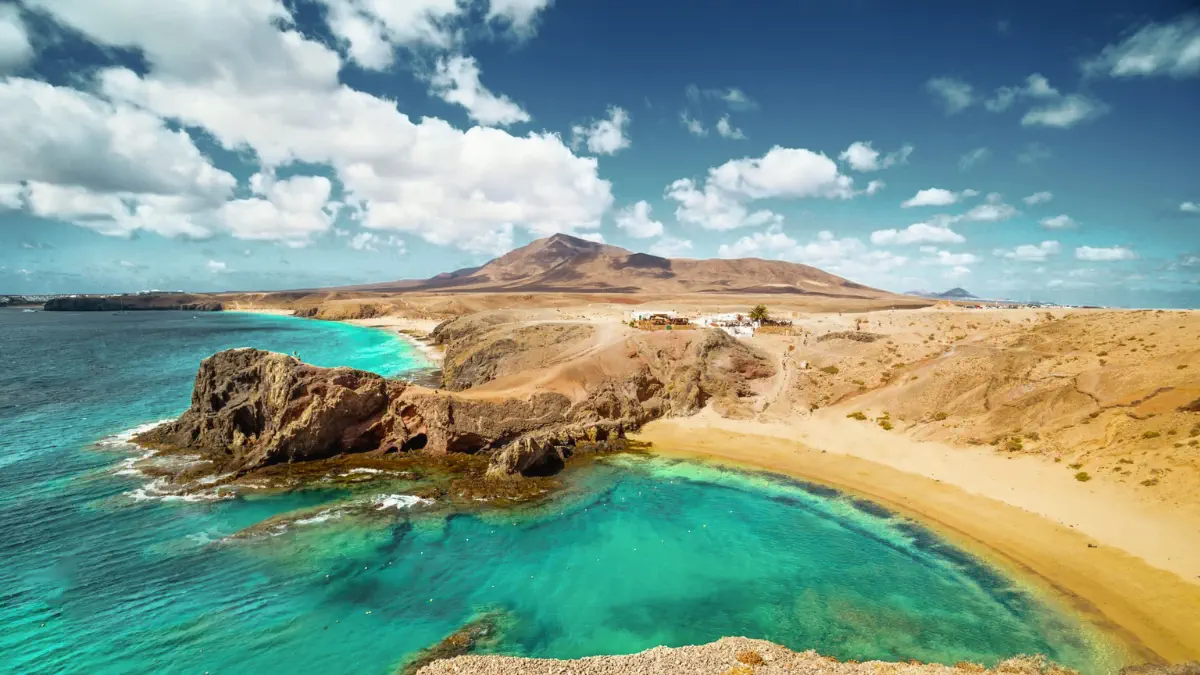
Emerald coastline in the Canary Islands

Four hundred kilometres south, off the coast of Morocco, the Canary Islands quietly opt out of that negotiation altogether. The trade winds and the cool Canary Current flatten the curve almost entirely — there’s no brutal summer to avoid and no proper winter to wait out, just a single, remarkably narrow temperature band that holds steady whichever month the flight happens to land in.

The numbers that matter

This isn’t a marginal difference, and it isn’t only a winter story. Tenerife and Gran Canaria sit around 20-21°C through January, mild enough that the sea stays swimmable through the coldest part of the year. Roll forward to August — peak Mediterranean heat everywhere else in Spain — and the islands only climb to around 24-29°C, kept in check by the same trade winds and current.
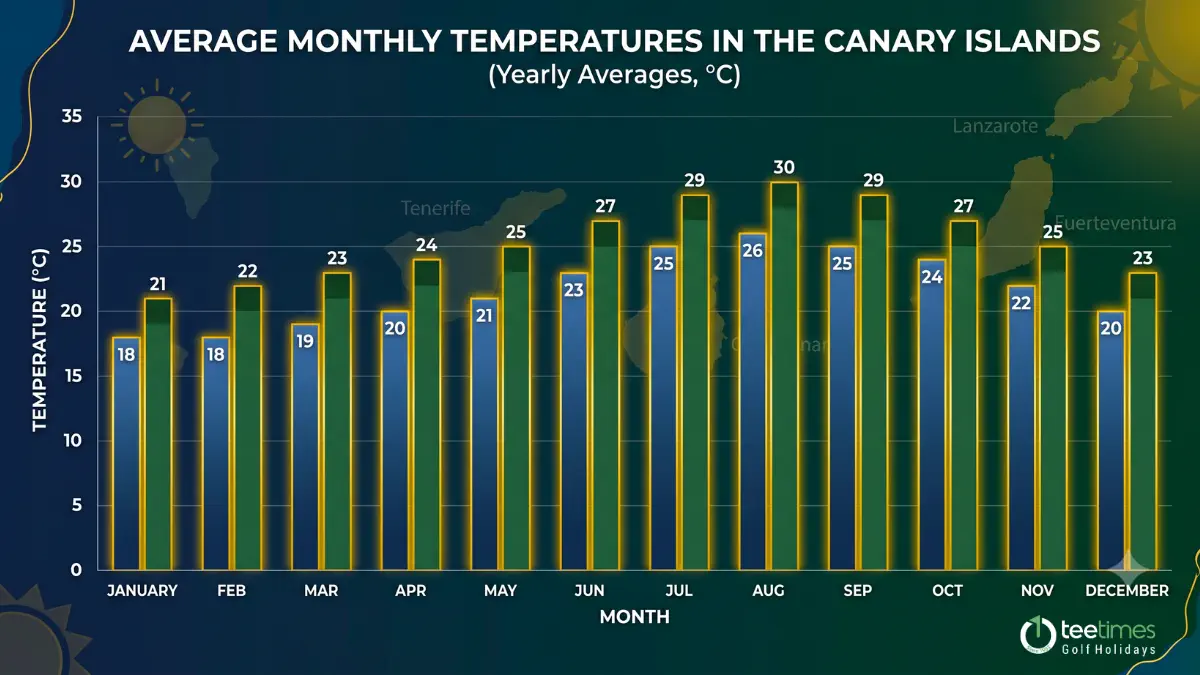
Monthly averages of the Canary Islands

Compare that with Málaga, where January highs average 14-17°C and August highs push past 33°C. The mainland Costas swing through a 20-degree range across the year. The Canaries barely move 7 or 8 degrees in either direction. For a golfer, that means the calendar stops being a variable — any month works, and the round at hand never has to be rescheduled around the heat or the cold. (Guide to Canary Islands)

Volcanic architecture, not Mediterranean cliché

The other thing the Canaries offer that the mainland Costas can’t replicate is the terrain itself. These are young volcanic islands, and the courses built on them tend to show it. Abama in Tenerife sits carved into a ravine on the island’s northwest tip, framed by banana plantations and the silhouette of Mount Teide — Spain’s highest peak — looming behind it.
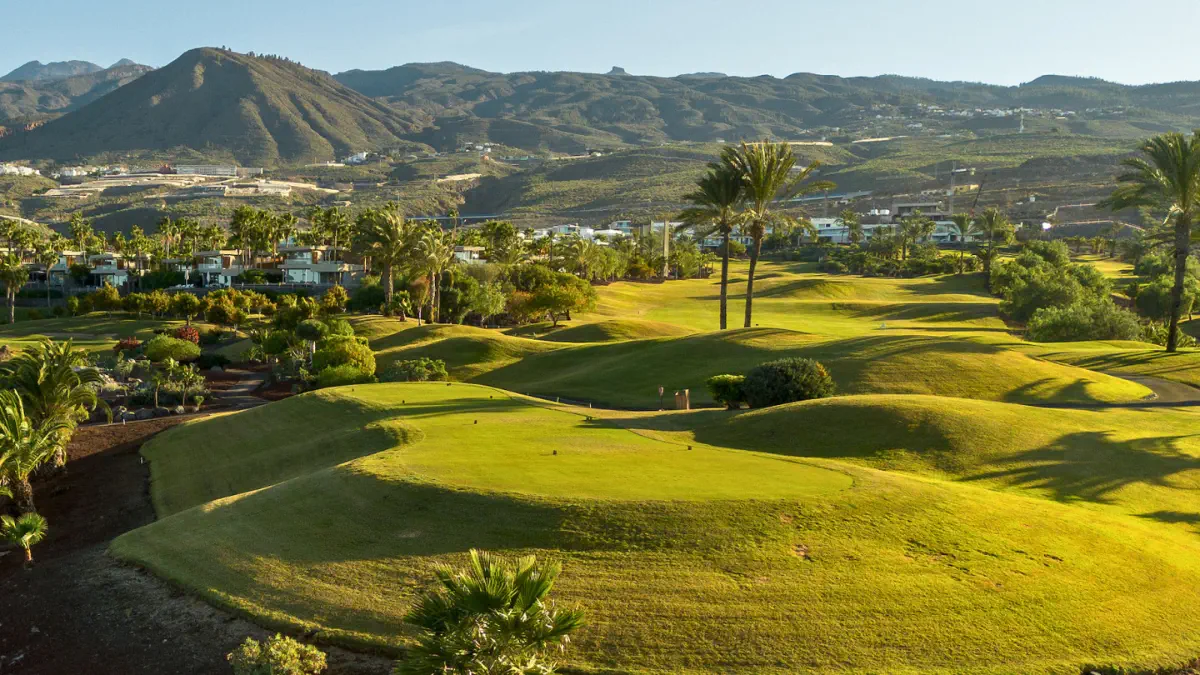
Abama Golf Course Tenerife

Anfi Tauro in Gran Canaria threads through a steep inland valley with elevation changes that owe more to Arizona desert golf than anything coastal Spain usually offers.Lanzarote takes this further still. The Lanzarote Golf Course and the more compact Costa Teguise sit on an island whose entire landscape was shaped by eruptions as recent as the 1730s — black volcanic soil, lunar ridgelines, a backdrop that looks nothing like the rest of Spain because, geologically, it isn’t.

Tenerife: altitude and ocean in the same round

Tenerife’s golf benefits from genuine variety, helped along by an island that rises from sea level to nearly 3,700 metres inside a few dozen kilometres. Real Club de Tenerife, founded in the early twentieth century, remains one of the most established clubs in the Canaries.
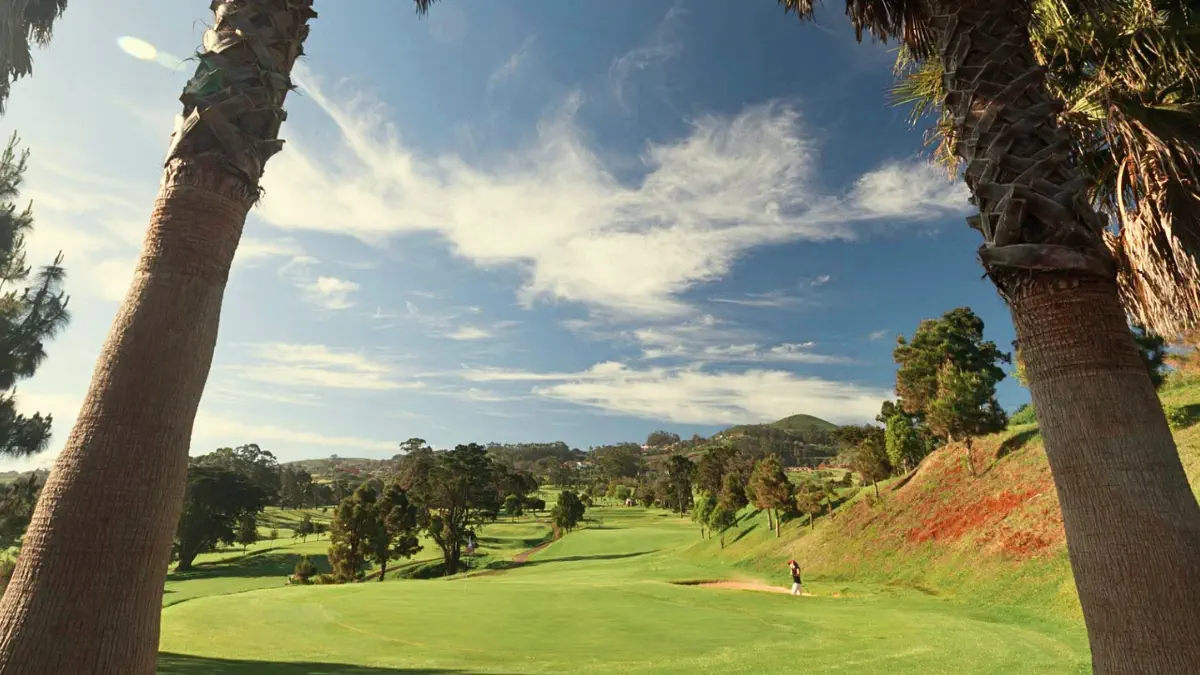
Real Golf Club in Tenerife

Further south, Amarilla Golf & Country Club plays along volcanic cliffs above the Atlantic, with several holes running close enough to the water that the swing thoughts compete with the view.

Gran Canaria: a continent in miniature

Gran Canaria is sometimes called a miniature continent, and the golf reflects that range. Maspalomas Golf Course runs along the edge of the island’s famous dunes — a links-style test with the Sahara-like sand dunes as a backdrop rather than the usual sea grass.
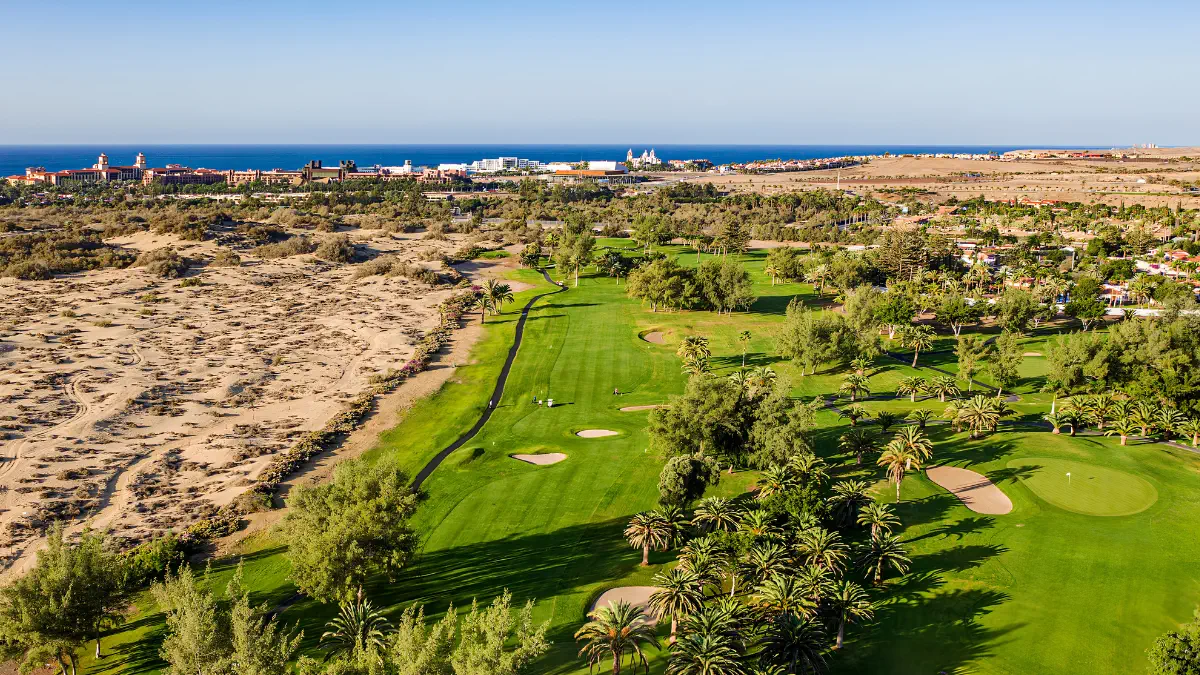
Maspalomas Golf Course, Sand Dunes aand Green Fairways

Real Club de Golf Las Palmas, meanwhile, is the oldest golf club in Spain, founded in 1891, and sits inside the rim of an extinct volcanic crater at Bandama — a setting that’s difficult to find anywhere else in Europe.

Where the rounds end the day

None of this matters much if the rest of the trip doesn’t hold up, and it does. The southern resorts on Tenerife and Gran Canaria are built for exactly this kind of break — proper hotels, good spas, and restaurants that take the local seafood seriously. Canarian cuisine has its own identity, distinct from the mainland: papas arrugadas with mojo sauce, fresh vieja parrotfish, and a wine scene shaped by volcanic soil that produces something genuinely unusual in the glass.

The golf, the climate, and the landscape all point the same direction: this is a destination that doesn’t ask the golfer to pick a season. There’s no “best time to go” caveat to factor in, no shoulder months to chase — just a calendar that stays playable from the first week of January to the last week of December.

Browse Canary Islands golf holidays and pick the month that suits you — not the one the weather dictates.

Vote for Tee Times

MADEIRA IS GETTING A MAJOR MAKE-OVER

MADEIRA IS ABOUT TO BECOME A VERY DIFFERENT DESTINATION

There is a moment in every destination’s story when it stops being a well-kept secret and becomes something rather more significant. For Madeira, that moment may be arriving sooner than most people expected.

The Madeira government has confirmed plans to open 36 new holes across the archipelago over the coming years. That is not a minor adjustment to the programme. For an island currently offering three golf venues and 63 holes, it represents a visionary transformation. And at the centre of that transformation is one of the most eagerly anticipated course openings in European golf.

A CLIFFTOP COURSE TWENTY YEARS IN THE MAKING

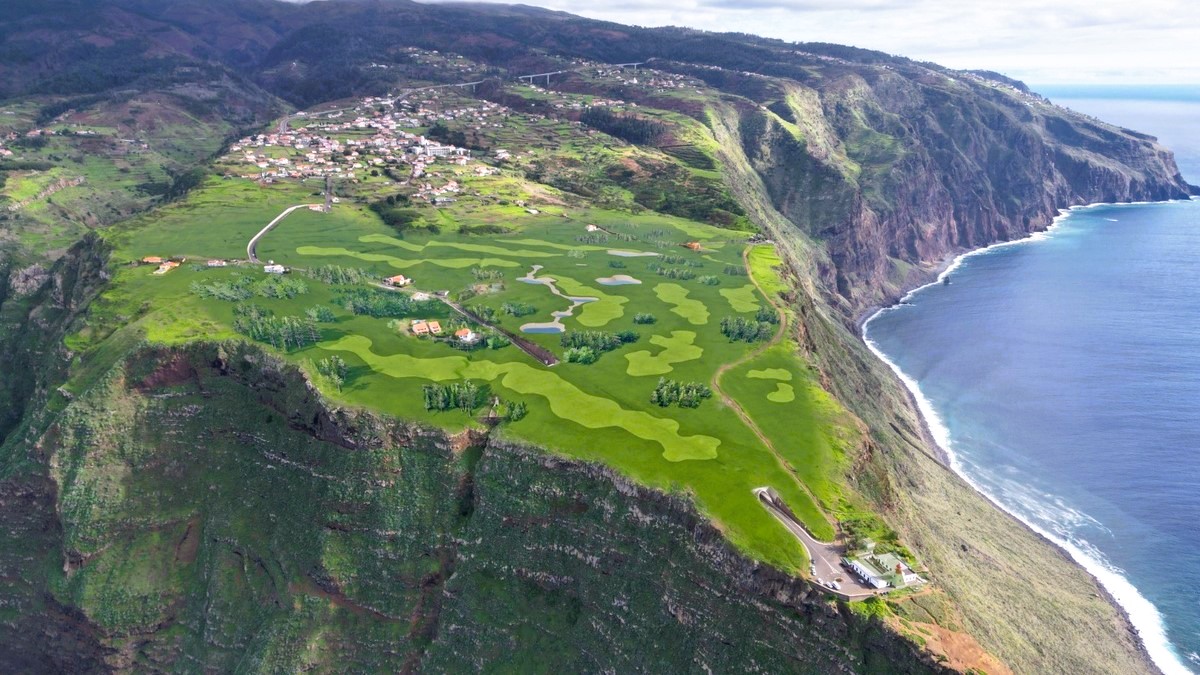
Ponta do pargo golf course madeira cgi render faldo design

The site of Sir Nick Faldo’s course at Ponta do Pargo was originally conceived more than fifteen years ago, before construction was halted by the global financial crisis in 2009. The dream did not disappear — it simply waited. Construction restarted, and the par-72 layout is now in its final stages, perched high on the clifftops of Madeira’s westernmost point with sweeping views across the archipelago and out to the Atlantic.

Faldo himself has been characteristically direct about what he found when he returned to the site. He described it as “a golf course designer’s dream” — a site where the natural landscape does much of the work, and where the designer’s role is as much about restraint as invention. Sustainability has been central to the process from the start. The decision to install Madeira’s native Kikuyu grass — which thrives on natural rainfall without irrigation — is expected to dramatically reduce the course’s water consumption throughout the year.

The course covers 120 hectares of natural landscape and will be supported by practice facilities including a driving range, short game area, a nine-hole pitch and putt course, and a clubhouse, restaurant and hotel. The opening is anticipated for 2027.

SANTO DA SERRA GETS EVEN BETTER

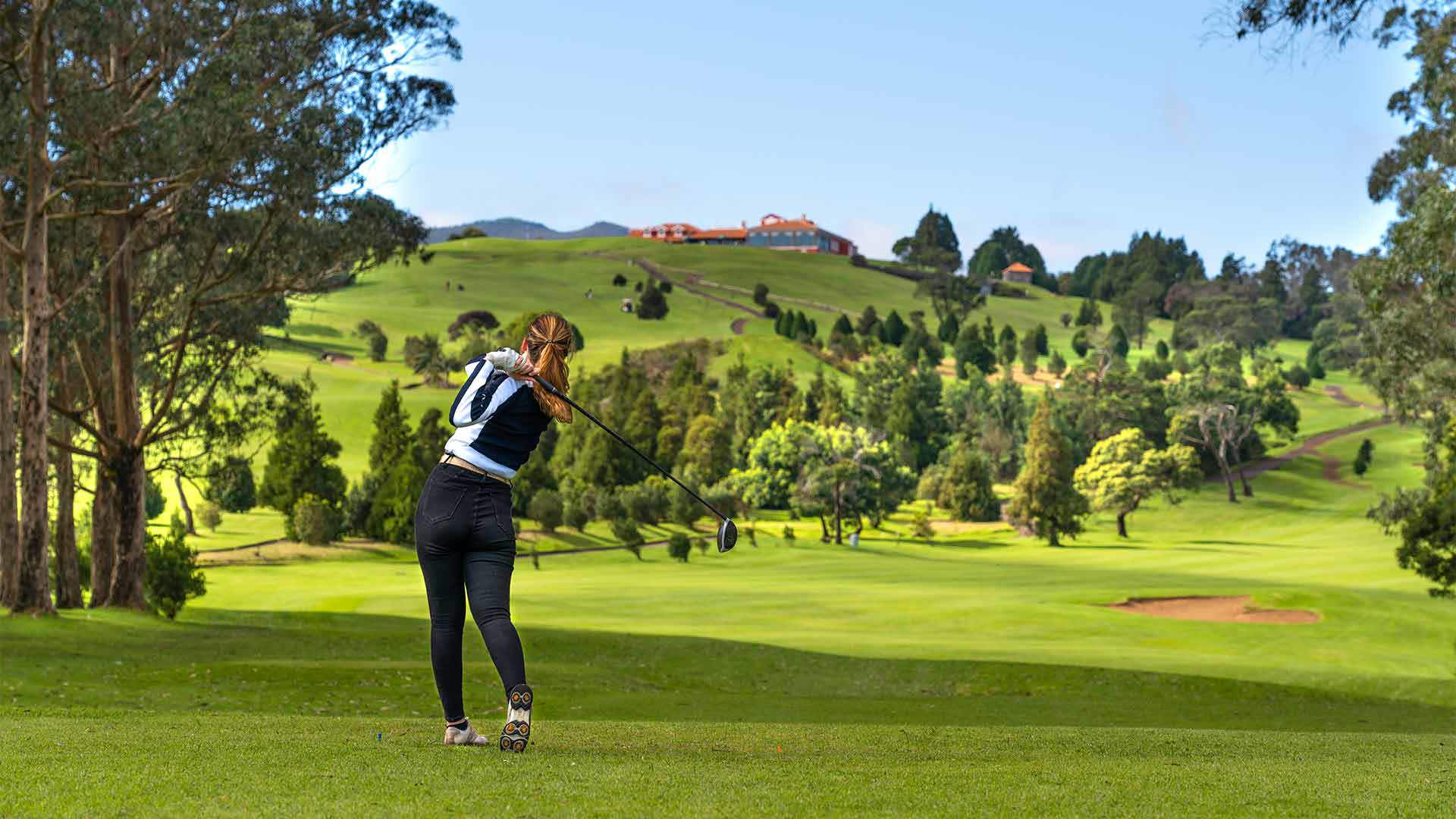
The oldest golf club in Madeira, Clube de Golf Santo da Serra already boasts three nine-hole loops — the Machico, the Desertas and the Serras — all designed by Robert Trent Jones Snr, and has hosted the European Tour’s Madeira Islands Open on ten occasions. An additional nine-hole layout will take it to 36 holes. The project will also include the construction of two new lakes for water collection and sustainable water management, with the stored water used to irrigate the course.

Santo da Serra golf course madeira couple fairway

It is worth noting that Santo da Serra does not arrive at this moment of expansion from a position of weakness. The course was recently named Portugal’s Best Golf Course in the Players’ Choice category at the 2025 Golfamore Awards — an honour decided entirely by golfers, based on more than 160,000 reviews logged across a voting pool of over 100,000 players. It also recently completed a €2.5 million investment programme aimed at enhancing the playing experience for both members and visiting golfers. A course that is already the best in the country, now adding nine more holes. Not bad.

PORTO SANTO JOINS THE EXPANSION

The expansion does not stop on the main island. Porto Santo Golfe — set on Madeira’s quieter sister island, famous for its seven-kilometre beach — is also in line for a new nine-hole addition. For golfers who have already played the existing 18-hole course, that is a significant development. Porto Santo has long been the kind of place you visit once, intend to return to, and somehow never quite manage. More golf holes may finally provide the decisive nudge.

THE DESTINATION RIGHT NOW

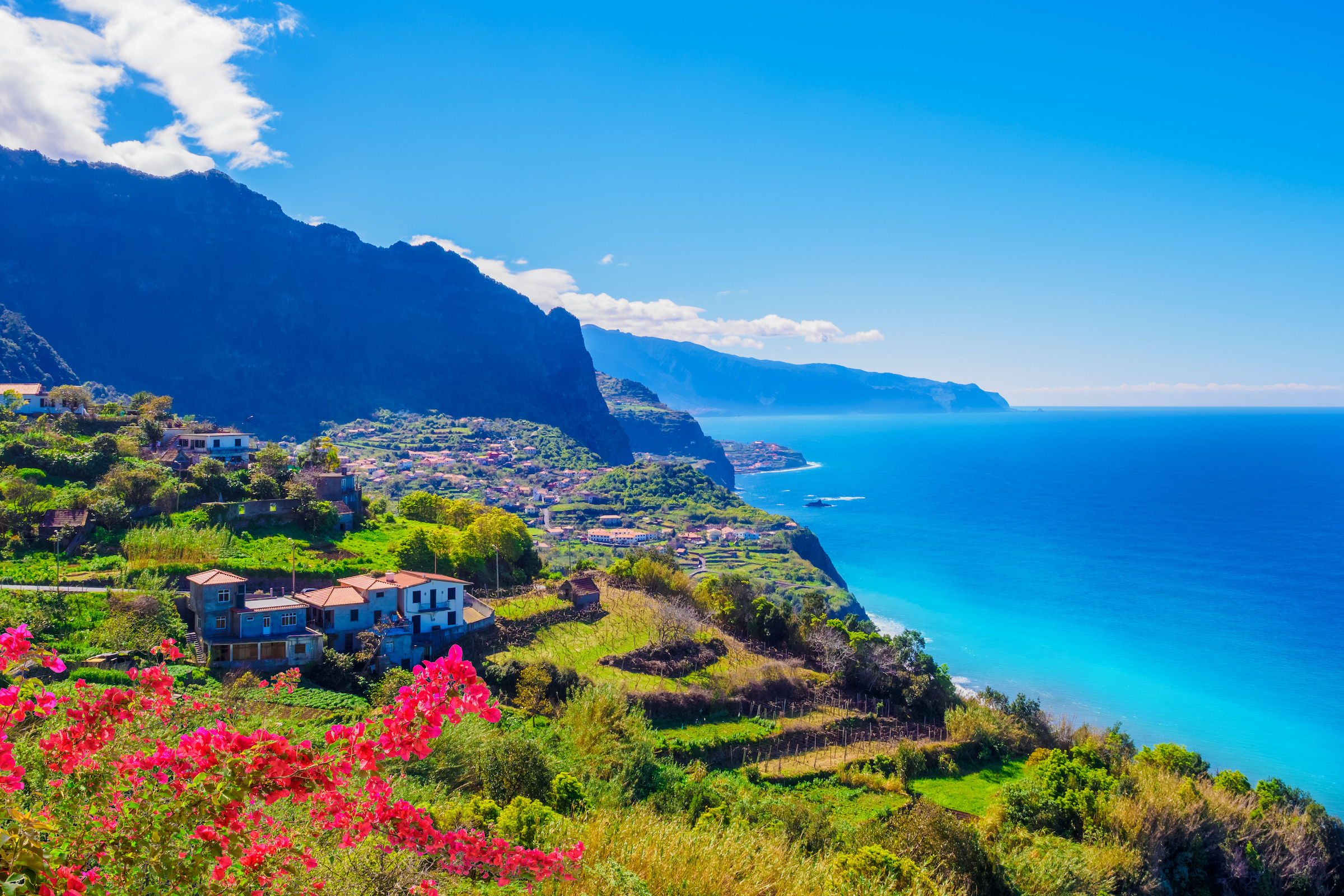
Madeira island golf destination Portugal

All of this is coming. But the case for a Madeira golf holiday does not require a building site. International rounds played across the islands rose by more than ten per cent in 2025, with Madeira’s four biggest overseas markets — Scandinavia, Germany, the UK and France — all posting growth. The destination earned the World Golf Award for World’s Best Emerging Golf Destination in 2025.

The Madeira Golf Passport remains one of the most popular ways to experience the destination, offering three rounds of golf at either Santo da Serra or Palheiro Golf from €290 per person, including complimentary transfers between hotel and course. For the value it represents — on an island with this much drama, this much scenery, and this much to do beyond the fairways — it is one of the better deals in European golf travel.

Tee Times covers Madeira in full, with tee times at Santo da Serra, Palheiro Golf and Porto Santo Golfe. Book now, before the word properly gets out.