June and July Golf in the Algarve: A Golfing Secret

The crowds have gone. The mornings and evenings have not.

The Algarve’s peak golf season belongs to spring — April and May bring mild temperatures, green fairways, and full tee sheets. What follows in June and July is a different proposition entirely. Fewer golfers. Longer days. A pace that feels closer to what the region actually is, rather than what the calendar tells most visitors to expect.

The Early Tee Time Is Your Friend

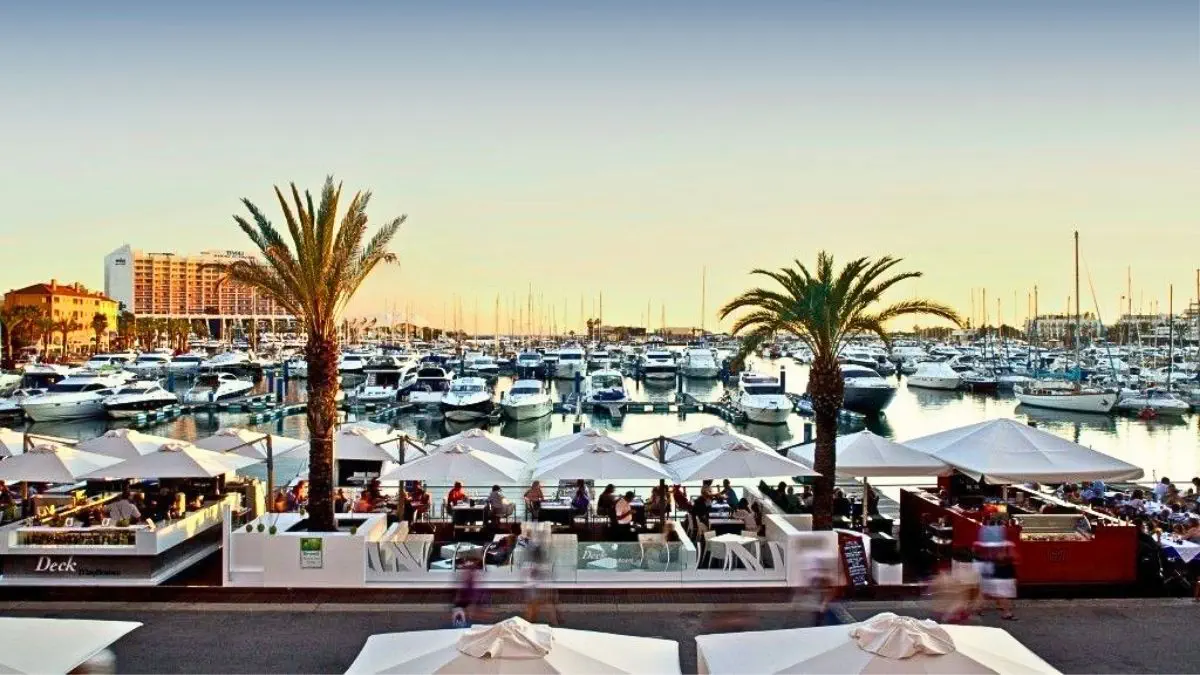
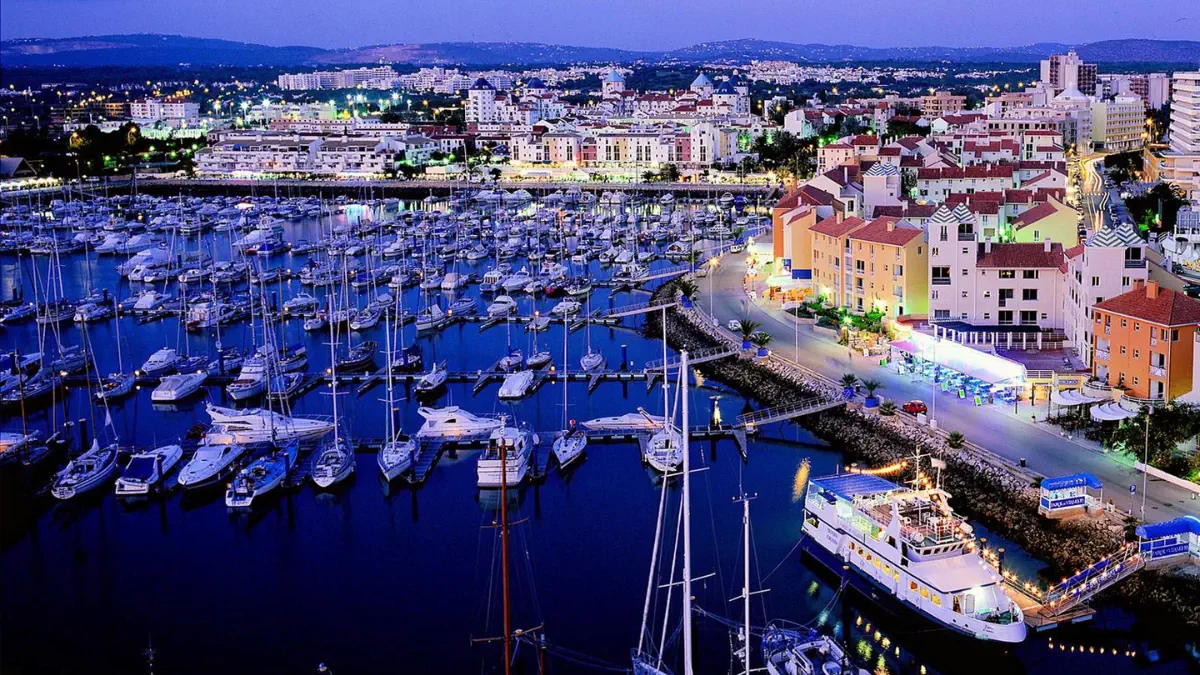
The Algarve coastline bathed in evening light during summer, Portugal
Summer in the Algarve means sunrise before 6:30am. An early tee time — 7am, or earlier at some courses — puts you on the fairway in conditions the midday golfer never sees. The light in those first hours is something particular: low and warm across the fairways, with a stillness to the air that belongs entirely to early morning. The cork oaks hold the shadow a little longer. The dew is still on the rough. By the time the sun is fully overhead, the round is done and the terrace is waiting.

The Long Evening Is an Underrated Asset

The Algarve in late June sees the sun set at around 9:15pm (timeanddate.com). That is not a minor detail. It means a back nine after dinner without the feeling of racing the clock. It means the kind of long, golden-hour light that does things to a links-style layout that a noon round cannot replicate. The western Algarve, in particular — where the Atlantic horizon sits just beyond the last fairway — earns that final hour of daylight more than most places. Summer evenings here are not a consolation. They are the whole point.

Green Fees in Summer: A Different Equation

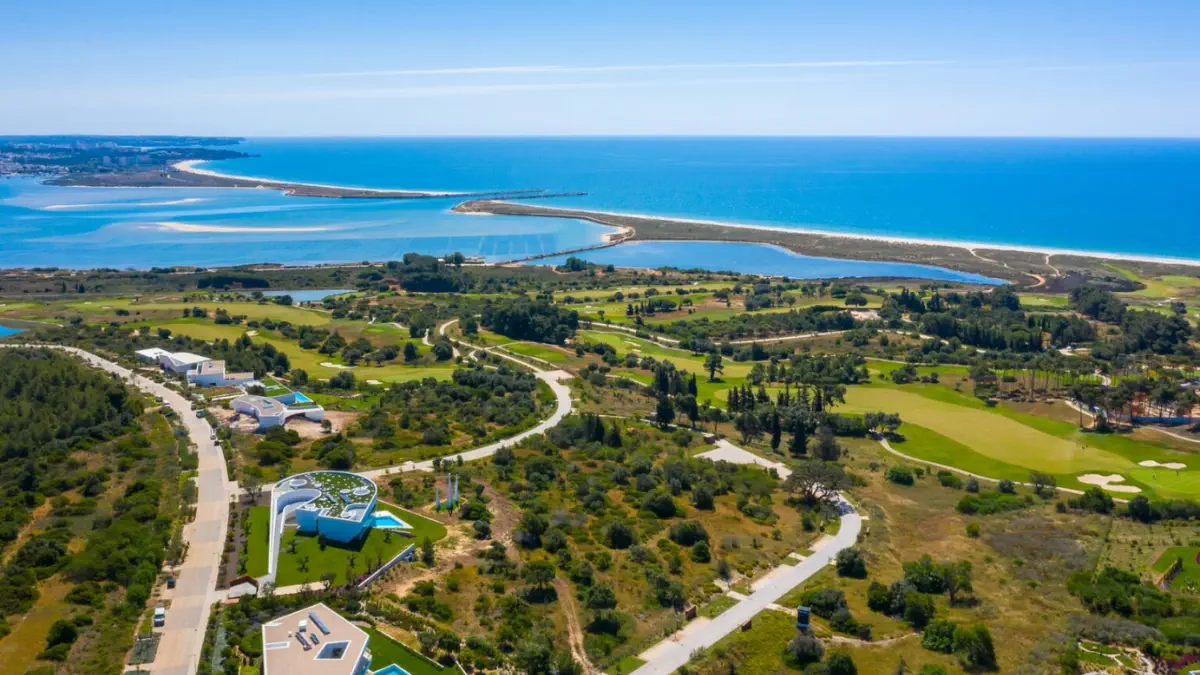
Palmares Golf Course overlooking Meia Praia bay and the Alvor estuary, Lagos, Algarve
Peak spring green fees at the region’s flagship courses can be significant. Summer rates — particularly in June, before the school holiday surge — offer considerably better value without a corresponding drop in course quality. The greens have been through a full season of careful preparation. The price is lower because demand is lower. That gap is wider than most golfers realise, and it is one of the better-kept secrets on the European golf travel calendar.

The Courses That Reward a Summer Visit

Not every course in the Algarve plays identically in summer. Layouts with Atlantic exposure — set above the western coastline, or at elevation — benefit from the prevailing coastal breeze throughout the morning hours. Palmares, rising above Lagos and the long sweep of Meia Praia bay, is one of those courses: the views across the Alvor estuary alone justify the drive west. Boavista — designed by Howard Swan and chronically underappreciated — sits on the same western stretch, its two distinct sections climbing and descending through landscaped valleys in a way that rewards patience and repeat visits. Further east, the umbrella pines of Vilamoura Old Course offer shade and quiet that the busier spring months rarely allow.

The Region in Summer

The Algarve coastline bathed in evening light during summer, Portugal
The Algarve does not slow down in summer so much as settle into itself. The limestone cliffs along the coast turn amber in the late afternoon light. The fishing boats sit low in Ferragudo harbour. The market stalls in Loulé carry the smell of fresh bread and dried herbs, and the restaurants fill gradually rather than all at once. Evenings stretch long enough to make dinner feel genuinely unhurried. A cold Sagres on a terrace facing west, with the light still in the sky at nine in the evening, is one of those small, specific pleasures that cannot really be argued with. Golf brings you here in June and July. The region is the reason you book again.

Browse our Algarve golf holidays and start planning your summer.


Vote for Tee Times

Golf in the Western Algarve: Why the Other Half of the Coast Deserves Your Attention

From Lagos to Carvoeiro, the courses west of the Golden Triangle are quieter, more varied, and consistently underestimated.

Most golfers booking a trip to the Algarve set their coordinates for the same stretch of coastline — Vilamoura, Quinta do Lago, Vale do Lobo. And it cannot be denied that these courses stand on their own as World-Class golf courses. The western half of the coast, however, runs its own game entirely, and has been doing so for a long time. And these courses deserve your attention.

Western Algarve Lagos

Lagos

Three courses sit in and around Lagos, each distinct enough to fill a week without repetition. Palmares is the most prominent — 27 holes redesigned by Robert Trent Jones Jr., combining parkland terrain with genuine links-style holes along the Meia Praia shoreline. The views across the Bay of Lagos from the upper sections are among the best you will find on any course in the country.

Designed by Howard Swan, the Boavista course does not receive the attention it deserves. Its two distinct sections climb to the highest point of the resort, before descending through landscaped valleys and water features to the clubhouse. The par-4 seventh, played against a backdrop of Atlantic and the Monchique hills, is worth the round on its own.

Espiche, the newest of the three, takes a softer approach — an undulating layout that works with the natural terrain rather than against it, and one that consistently rewards precision over power.

Palmares Golf Course, Lagos — 27-hole links-style layout with views over the Bay of Lagos, Western Algarve Boavista Golf Course, Lagos — Howard Swan design with Atlantic and Monchique hill views, Western Algarve Espiche Golf Course, Lagos — undulating layout set within the natural terrain of the Western Algarve
Portimão

Morgado presents the most generous setting in the area — a Seve Ballesteros design spread across a vast estate north of the city, with wide fairways, six par threes, and conditions that hold up impressively through the season. The scale of the property gives the round a sense of occasion that is difficult to find elsewhere in the western Algarve. Its neighbour, Álamos, is a par-71 layout with undulating fairways, well-placed bunkers, and steeply sloping greens that make the short game decisive. Views across the Monchique mountains and surrounding farmland make it worth seeking out, particularly for those spending longer in the area.

Penina needs no introduction to anyone who has followed golf in Portugal for more than five minutes. Sir Henry Cotton’s 1966 design — built on converted rice paddies — is the oldest course in the Algarve and hosted the Portuguese Open six times. It remains a flat, strategically demanding test that rewards course management over distance. The resort facilities are extensive. This is a base, not just a tee time.

Alto Golf offers a different proposition — elevated tees, sea views, and a layout that grows more demanding as the round develops. The par-5 sixteenth, with its substantial lake, has ended more than a few good cards.

Morgado Golf Course, Portimão — Seve Ballesteros design, Western Algarve Penina Championship Golf Course, Portimão — oldest course in the Algarve, designed by Sir Henry Cotton Alto Golf Course, Portimão — elevated tees and sea views, Western Algarve
Carvoeiro

Vale da Pinta and its neighbour Gramacho form a natural two-course combination around Carvoeiro. Vale da Pinta is the more celebrated of the two — ancient olive trees, uneven lies, and an atmosphere that feels older than the game itself. Gramacho is the more accessible partner, redesigned from nine holes to eighteen, with almonds, olives, and carobs providing the backdrop.

Silves Golf, a few kilometres inland, adds a third option — orchards and farmland framing a layout that is gentler in character but no less enjoyable for it.

Vale da Pinta Golf Course, Carvoeiro — ancient olive trees and undulating fairways, Western Algarve Gramacho Golf Course, Carvoeiro — almond and olive tree backdrop, Western Algarve Silves Golf Course — orchards and farmland setting inland from Carvoeiro, Western Algarve
Worth Knowing

Faro Airport is around an hour from Lagos — a manageable drive either way, and one that is easily sorted with a pre-booked transfer. The western Algarve is quieter than its eastern counterpart, particularly outside the summer months, which makes it a better choice for golfers who prefer an unhurried pace on and off the course. Lagos and Portimão both have proper food scenes — seafood that takes itself seriously, restaurants that fill up for the right reasons.

East, Central or West, whatever your choice, browse our full selection of Algarve golf courses or explore golf holidays in the Algarve to start planning an unforgettable trip.


Portugal Shines in Time Out’s Top 10 Most Beautiful Places in the World

Portugal has a habit of turning up on lists like this. This time, it is Time Out doing the honours — and the Douro Valley has landed in the top five of the world’s most beautiful places.

The List

The magazine’s ranking of 51 destinations was assembled by an international network of travel editors and writers. Each place was selected for its scenic beauty, cultural distinctiveness, and visual impact. The Douro Valley came in at number four, sitting alongside entries from Spain, Indonesia, the United States, and England. Not bad company. (Idealista)

Vale de Oura Vinyards

Why the Douro

The region combines terraced vineyards, a winding river, and historic hillside villages into a composition that is genuinely difficult to rival. The terraces alone — hand-carved into steep mountainsides over centuries — create a visual drama that shifts with every season. At harvest time, the whole valley turns gold.

The Alto Douro Wine Region has held UNESCO World Heritage status since 2001, recognised as a living cultural landscape. That designation matters. This is a place shaped by human hands, yet it never feels anything less than wild.

The Golf

The Douro Valley does not have courses carved into its slopes — the terrain has other ideas — but it sits at the centre of one of Portugal’s most rewarding golfing regions. Porto is the natural base, less than two hours from the valley, and the courses clustered around the city are well worth the journey in their own right.

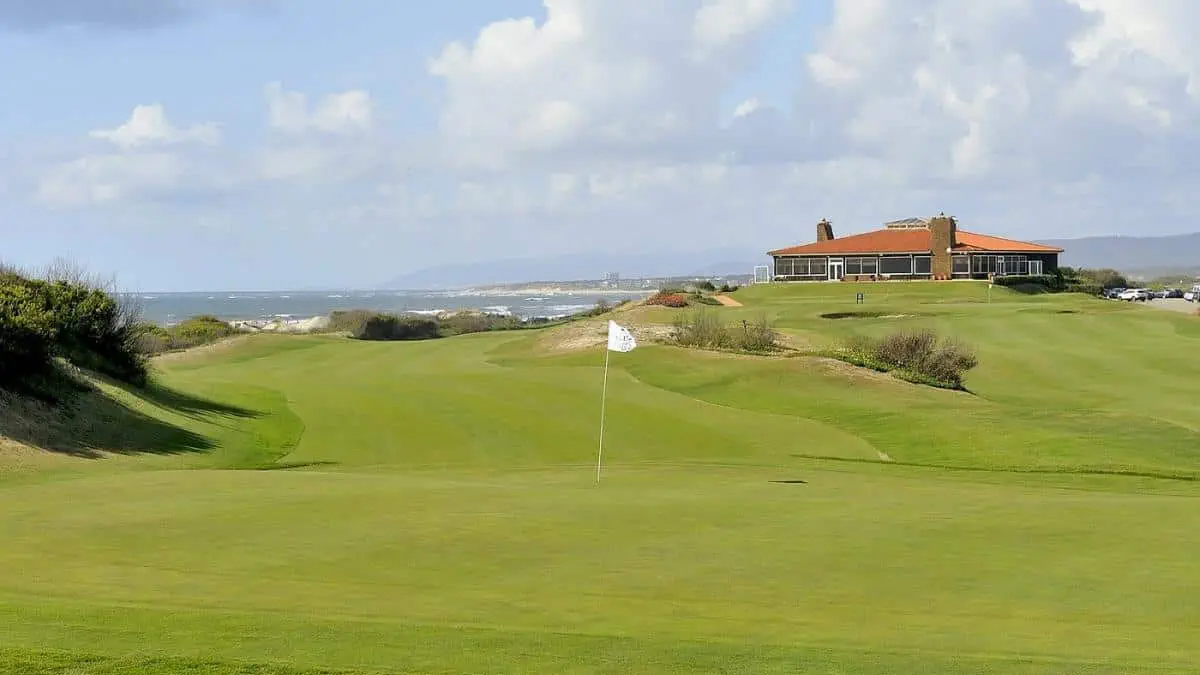
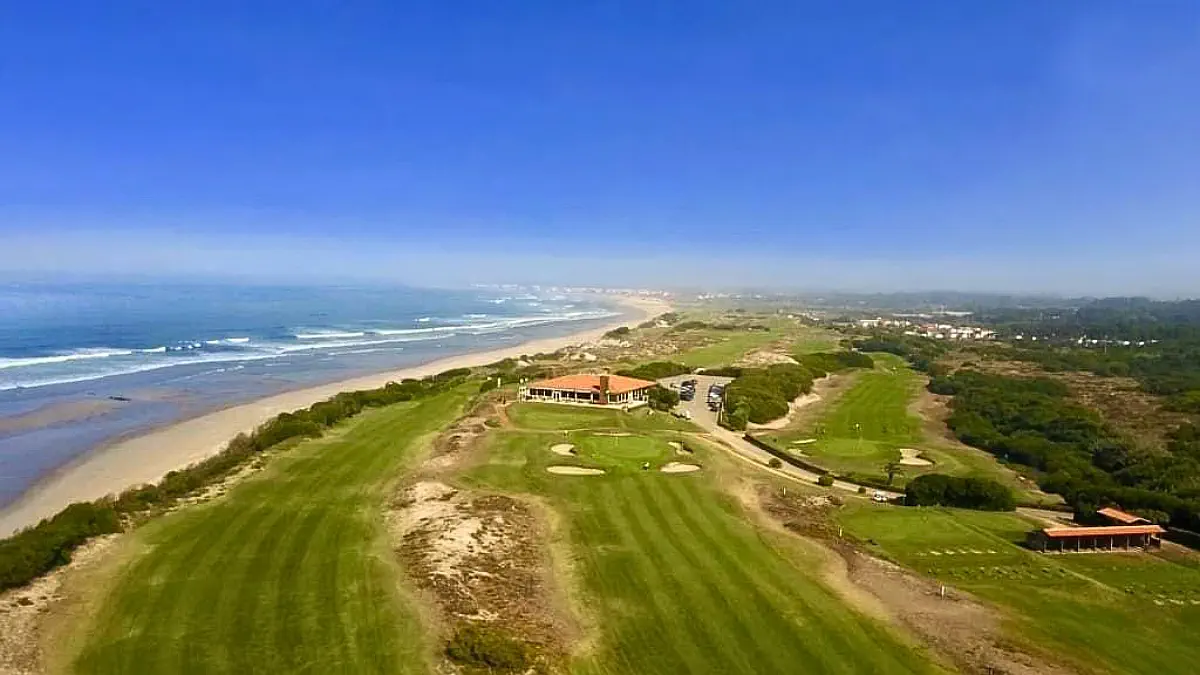
Oporto Golf Course Seafront

Oporto Golf Club is the oldest in Portugal, established in 1890 by British residents who clearly had their priorities in order. It is a links-influenced course set close to the sea at Espinho, with small, fast greens and a wind that rarely takes a day off. Estela Golf Club, a few kilometres to the north, is cut from similar cloth — a traditional seaside layout with narrow fairways, elevated greens, and the kind of conditions that reward ball-striking over heroics.

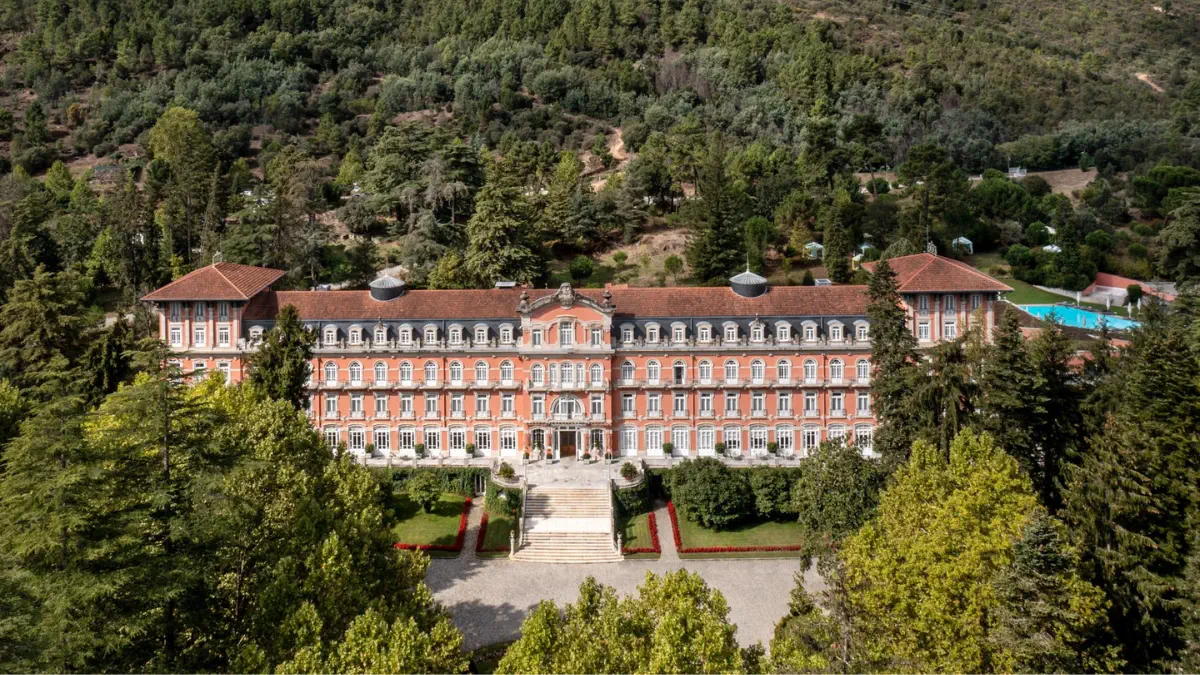
For something altogether different, Vidago Palace Golf sits around an hour and a half east of Porto, deep in the Trás-os-Montes hills. Originally designed by Mackenzie Ross in 1936 and rebuilt to USGA specification, it is one of the most characterful courses in the country — a parkland layout set within a grand spa estate, and the sort of place that earns a second visit.

Vidago Golf Course Autumn

A Douro break, then, is not simply a wine trip with a round attached. It is a genuine golf destination with a landscape that happens to be ranked among the four most beautiful on the planet.

Browse our Oporto golf holidays and find the right combination of courses, hotel, and valley time.

Portugal — Still Making Headlines

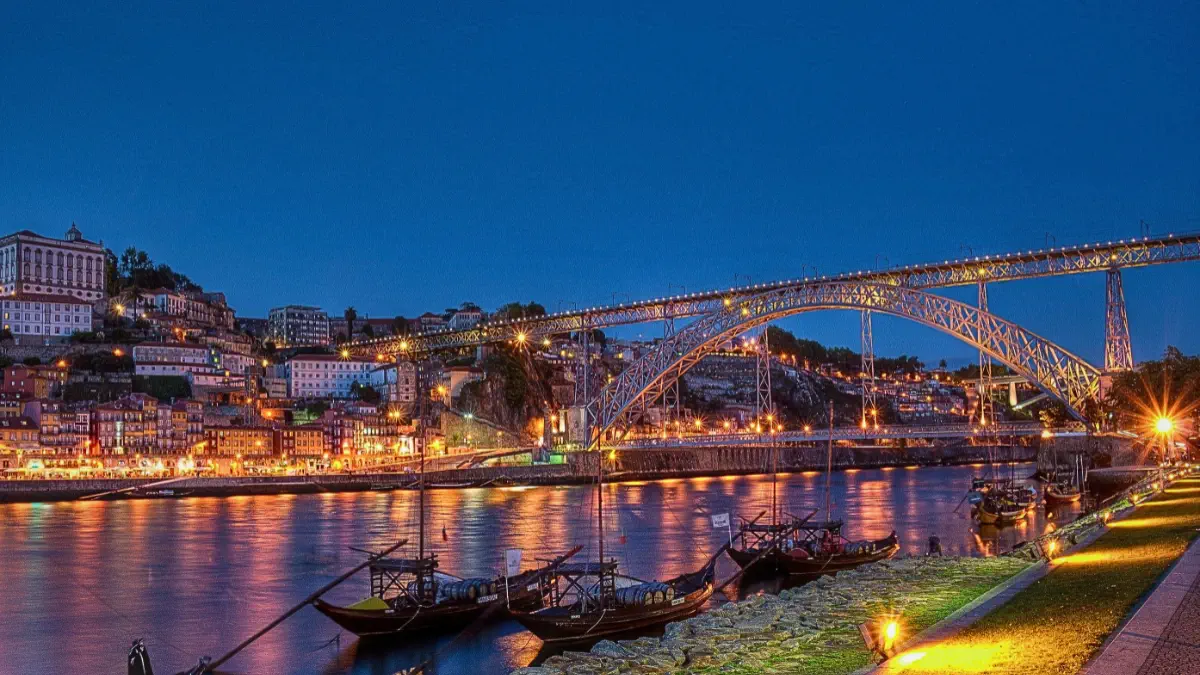
Rio de Oura Waterfront

The Douro’s recognition is not an isolated moment. At the 2025 World Travel Awards, Madeira was named Europe’s Best Island Destination, Porto took Europe’s Best City Destination, and Lisbon claimed Europe’s Best City Break Destination. Portugal, it seems, is not planning to leave the front page any time soon. (Turismo de Portugal)

For golfers yet to explore the country as a whole, the full range of Portugal golf holidays covers everything from the Algarve south coast to the Atlantic-facing links of the north.

The Douro is beautiful. The golf is excellent. The two rarely need much further convincing.