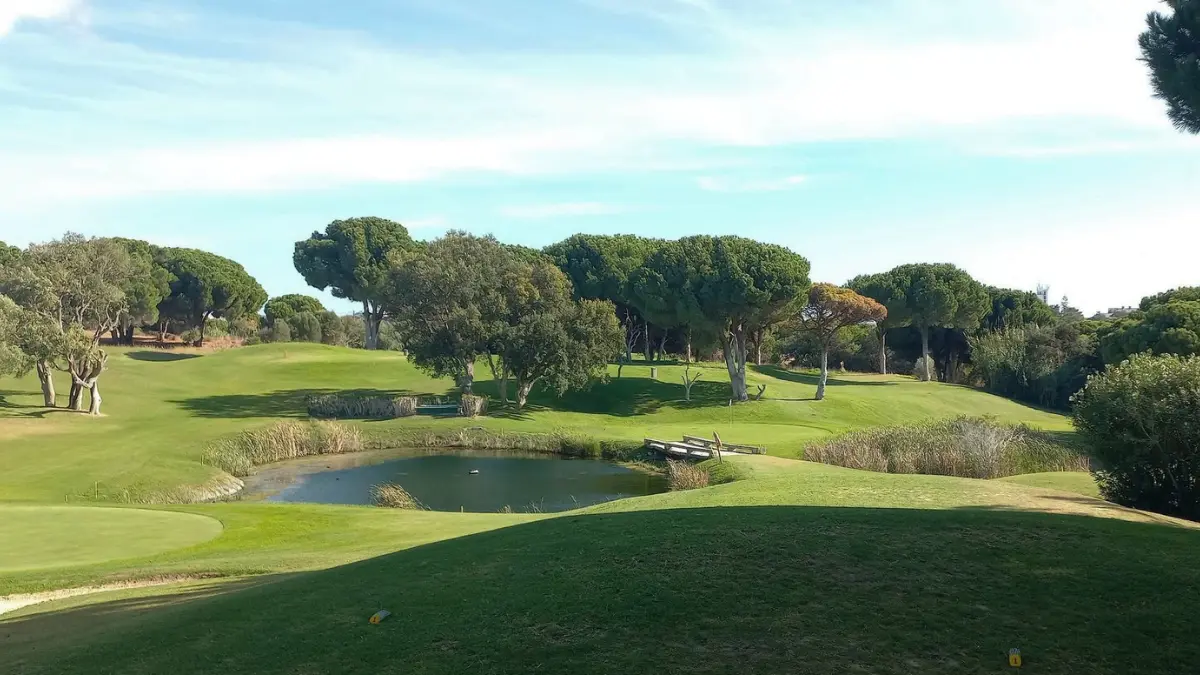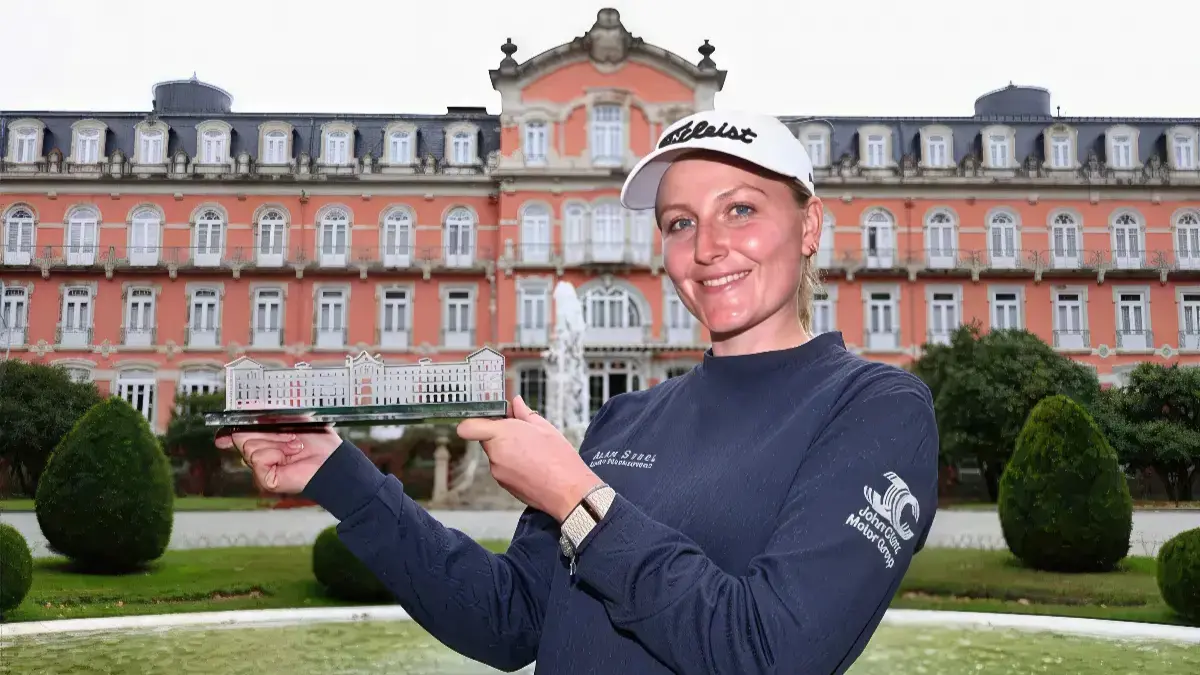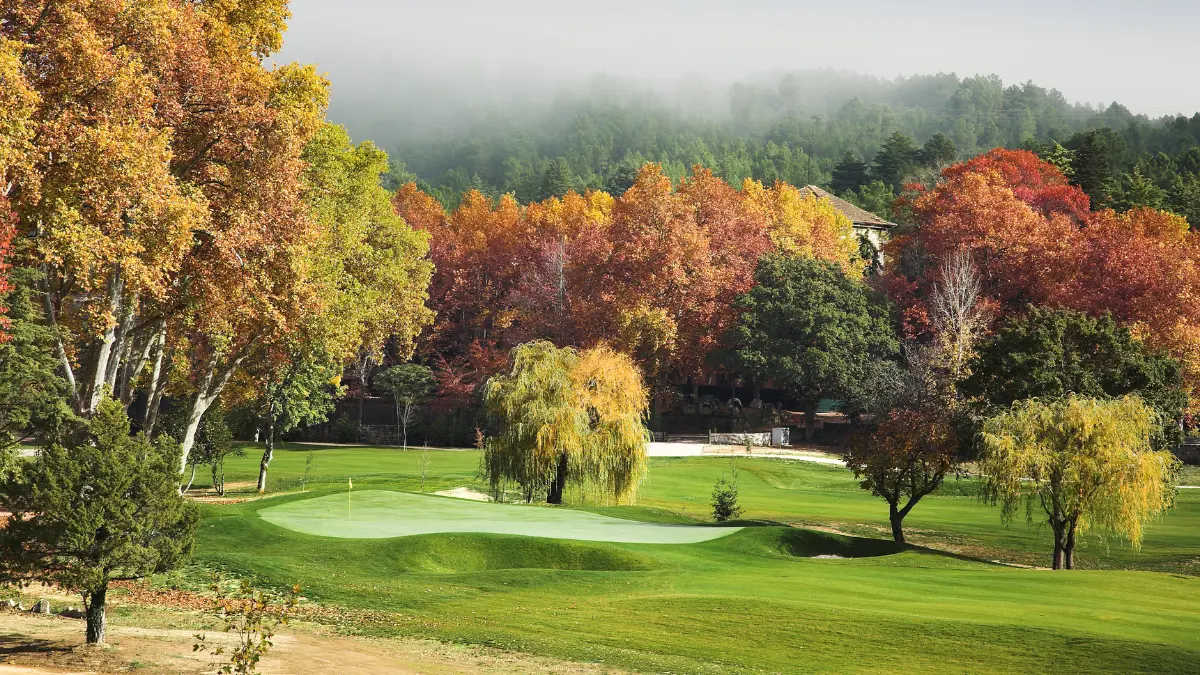
Seven tournaments, seventeen days, sixteen courses and a great many scorecards signed in good faith.
Winter has always suited golfers in the Algarve. The greens are firm, the light is low and golden, and nobody is scraping ice off the windscreen before a 9am tee time. From late November, the region’s resorts also lay on a full calendar of amateur Algarve golf tournaments, from week-long festivals spread across five courses to events with nearly four decades of history behind them. (Clubhouse Algarve)
Bring a handicap certificate. And a pencil you trust.
The West Opens the Account
The season starts on 25 November with the eighth West Algarve Golf Trophy, three days of competition across three very different courses around Lagos: Espiche, Palmares and Boavista. It finishes on 27 November, which leaves just enough time to blame the greens before the next event.
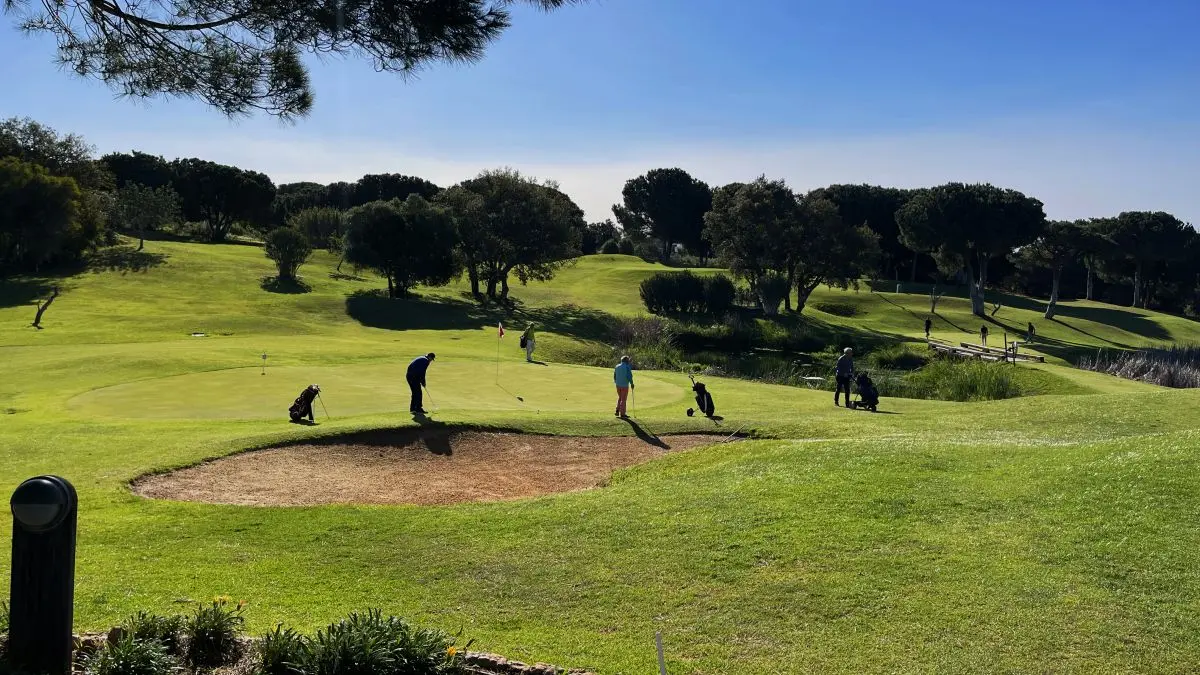
Palmares is the one to circle. Its 27 holes, redesigned by Robert Trent Jones Jr., run between dunes, woodland and hills, with views over the Alvor estuary and the Bay of Lagos. (SAPO) Espiche, meanwhile, is midway through a two-year programme of course improvements, so regulars may find it has had a haircut.
Overlapping it, our own 9th Tee Times Prestige Tournament runs from 26 to 29 November: three rounds of individual Stableford on Quinta do Lago’s Laranjal and North courses and Monte Rei’s North, with a tapas welcome and a prize-giving dinner either side. It’s capped at 60 players and fully booked, which we are choosing to take as a compliment.
One Week, Three Invitations
From 28 November to 5 December, the choice becomes almost unreasonable. Vale do Lobo hosts its 27th International Amateur Golf Tournament on the Royal and Ocean courses. Just along the coast, Quinta do Lago stages its eighth Golden Tournament across Laranjal, North and South.
The same week, the East Algarve Golf Festival moves between Castro Marim, Benamor, Monte Rei, Quinta da Ria and Quinta do Vale. Monte Rei’s Jack Nicklaus layout comes freshly renovated, with rebuilt greens and bunkers after six months’ work with Nicklaus Design in 2026. (SAPO) The bunkers, at least, should behave.
Vilamoura’s Old Faithful
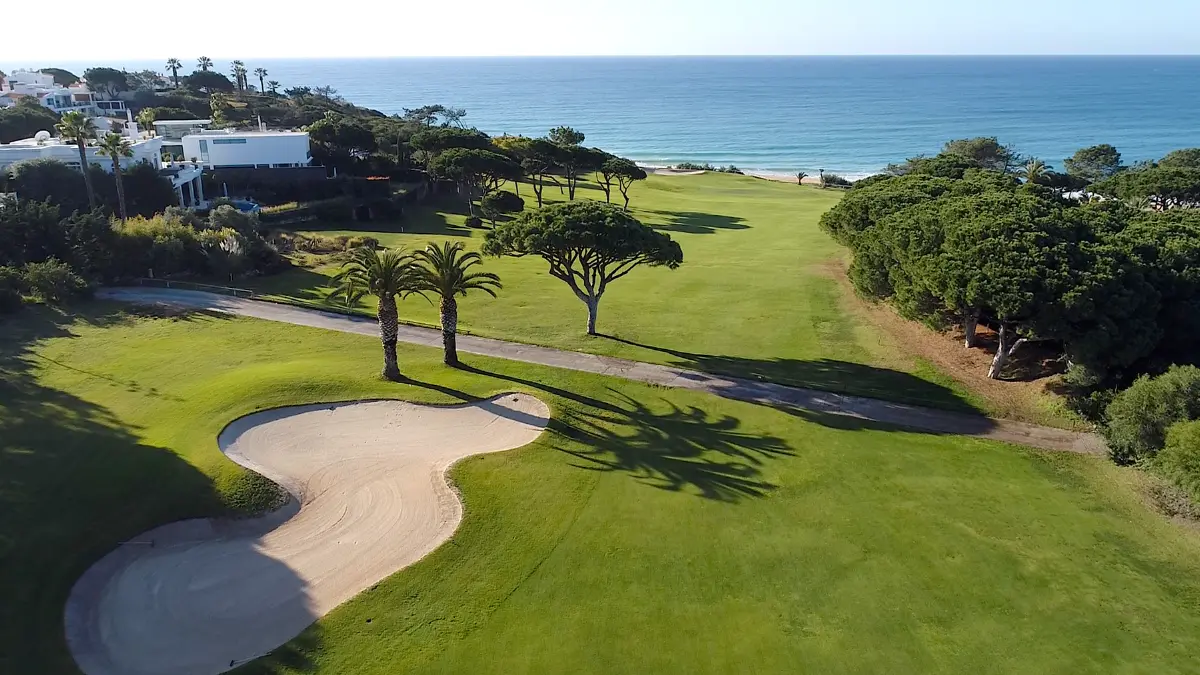
The Grande Troféu de Vilamoura, held every year since 1987, is one of the longest-running amateur events in Portugal. This year it runs from 4 to 7 December: a practice round, then competition on the Millennium, Pinhal and Old Course. The Old Course opened in 1969, so it has seen a few trophies come and go. (SAPO)
For those who can’t face going home yet, the fourth Sotavento Golf Trophy follows from 8 to 11 December, taking Monte Rei, Quinta da Ria and Quinta do Vale back into battle in the east. That’s seventeen days of tournament golf, should anyone at home be counting.
New Year, Same Handicap
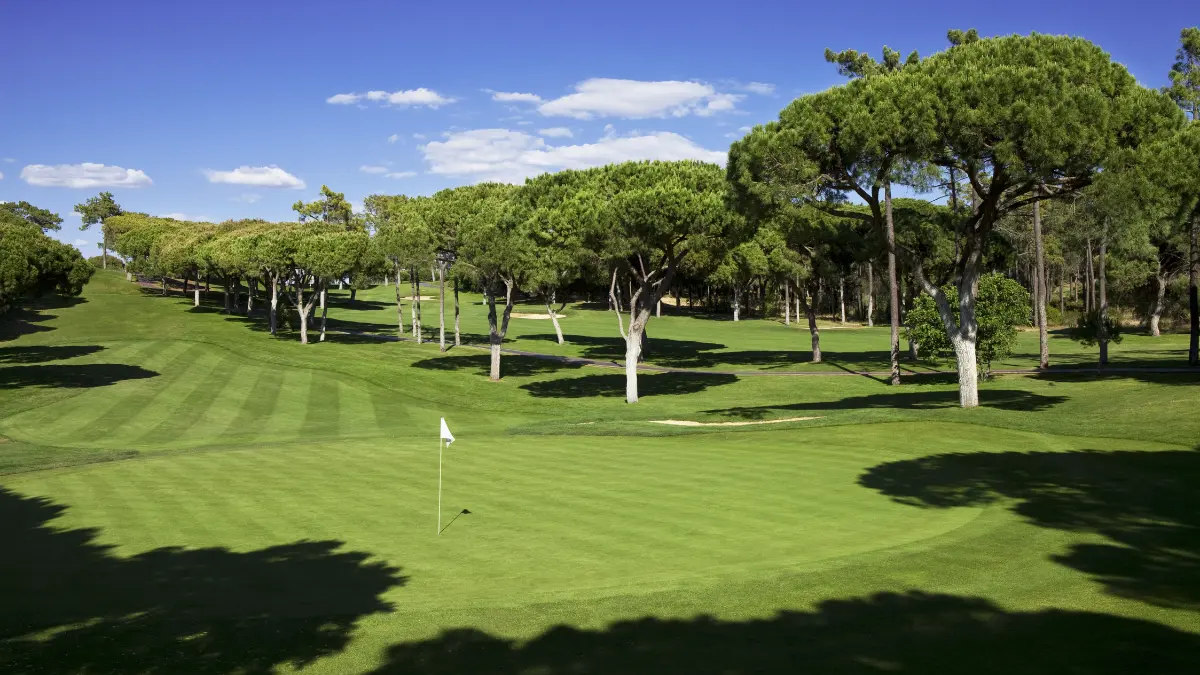
The 2027 calendar opens in Vilamoura with the 28th International Golf Classic, 9 to 16 January, played over the Old Course, Pinhal, Millennium and Laguna. It draws amateurs from around the world. Vale do Lobo follows from 24 to 31 January with its 33rd Amateur Week, a mix of competition and social events on the Royal and Ocean.
At Quinta do Lago the same week, our own 10th Tee Times Open Pairs Championship runs from 27 to 30 January: a Texas Scramble on Laranjal, then Betterball Stableford on the North and South.
Five Rounds in the East
There is still room on our East Algarve Golf Trophy, from 6 to 13 February. Five rounds take in Benamor, a Sir Henry Cotton design, Castro Marim, Monte Rei’s North, Seve Ballesteros’s Quinta do Vale above the Guadiana, and Quinta da Ria beside the Ria Formosa. A free day on the Wednesday allows for recovery, or reflection, depending on Tuesday.
Seven nights at the Vila Galé Tavira are included, along with breakfast, shared car hire, a welcome reception, a Vila Galé wine tasting and a prize-giving dinner. Prices start at €1,133 per person sharing.
Spring, and a Spot of Cotton
Spring brings the Vilamoura Pro-Am from 1 to 6 March, at The Els Club Vilamoura, the Old Course and Pinhal. Then comes Vale do Lobo’s 16th Spring Amateur Golf Tournament, 13 to 20 March, and the resort’s Foursomes Week (23 to 29 May) reaches its 43rd edition, having started in 1983. Some partnerships in it have presumably lasted that long. (Clubhouse Algarve)
In between, the 11th Penina Golf Week runs from 9 to 15 May on the Penina Championship course, Sir Henry Cotton’s design, the Algarve’s oldest course and a ten-time host of the Portuguese Open. Three competition rounds and a pairs finale come with six nights at the Penina Hotel & Golf Resort, from €803 per person sharing. There’s even a day off midweek, which Cotton would surely have approved.
Picking Your Week
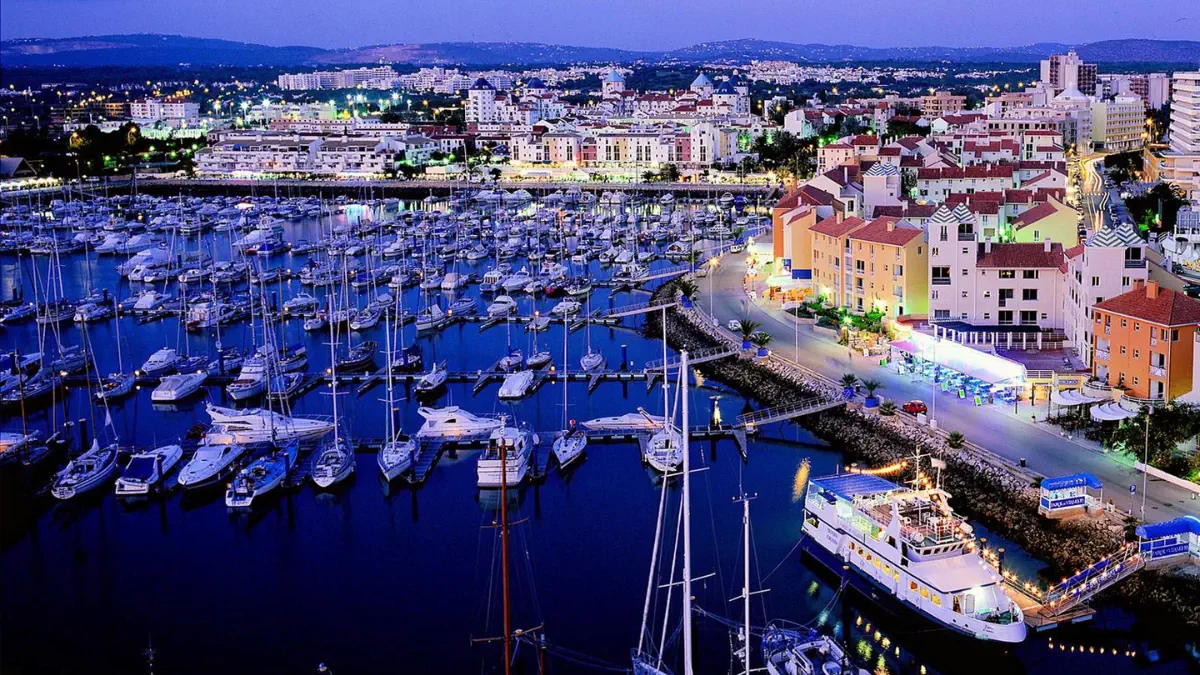
The simplest plan is to choose an event and stay close to it. Vilamoura suits the Grande Troféu and the January Classic, with the Tivoli Marina Vilamoura a short walk from the marina restaurants.
The Golden Triangle covers Vale do Lobo and Quinta do Lago. The east has its own base in Monte Rei Golf & Country Club, while Lagos and the Palmares Beach House Hotel put the West Algarve Trophy on the doorstep.
Entry rules and formats vary from event to event, so check with the host club before booking flights. Then let us do the rest.