Camiral: The Course Booked for Golf’s Next Ryder Cup

Catalonia’s two championship layouts, six years before the crowds arrive.

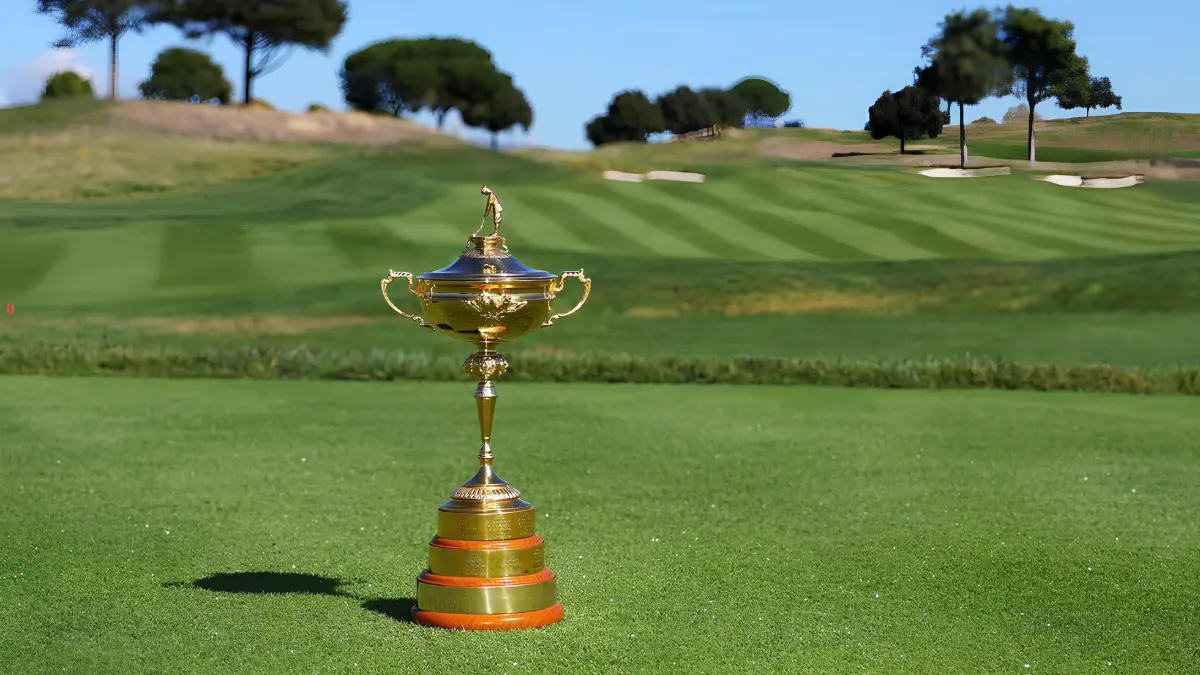
Camiral, in the Girona countryside an hour north of Barcelona, has just been named host of the 2031 Ryder Cup. It is only the second Spanish venue in the competition’s history, following Valderrama in 1997, and the decision changes what a round here means. The two championship courses have always been serious golf. Now they come with a deadline attached.

Golfer checking in a golf travel bag at airport departures before a golf holiday

A Second Ryder Cup for Spain

Ryder Cup Europe’s selection of Camiral makes Spain the first country on the continent to host the event twice, a decision framed by chief executive Guy Kinnings as recognition of Spanish golf’s long-standing contribution to the competition. Sergio García remains the Ryder Cup’s all-time points leader, and Jon Rahm has been one of Europe’s defining players across the last three editions. Camiral now carries that history forward. (ESPN)

Stadium and Tour — Two Different Tests

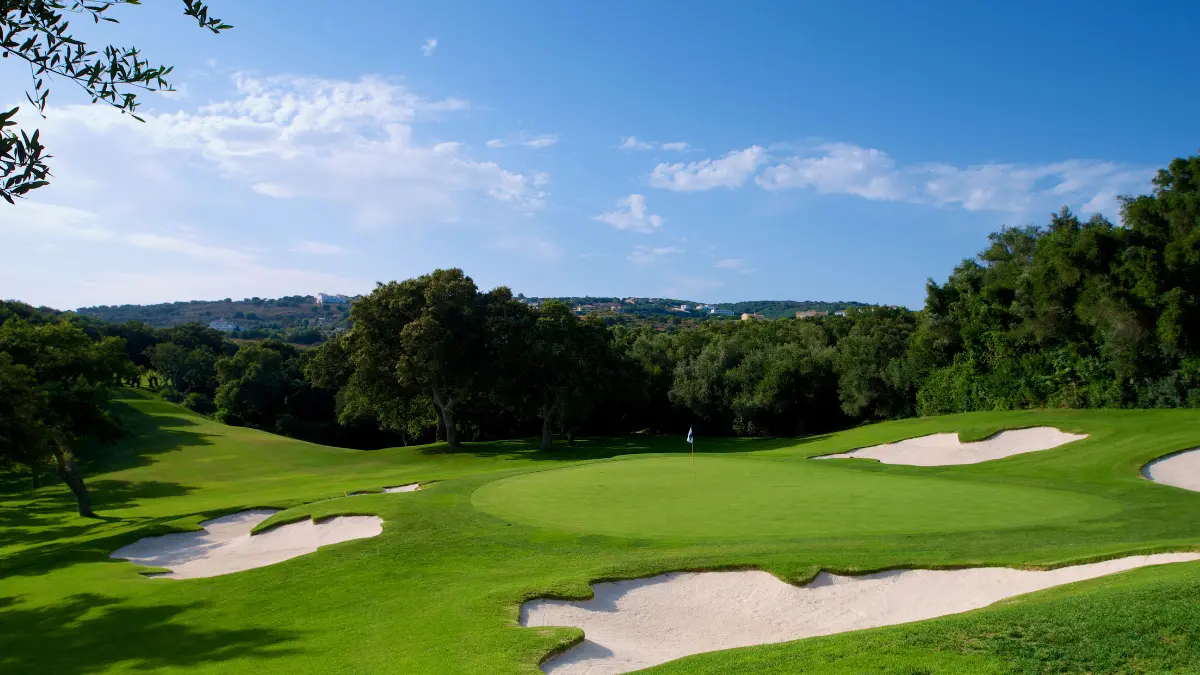
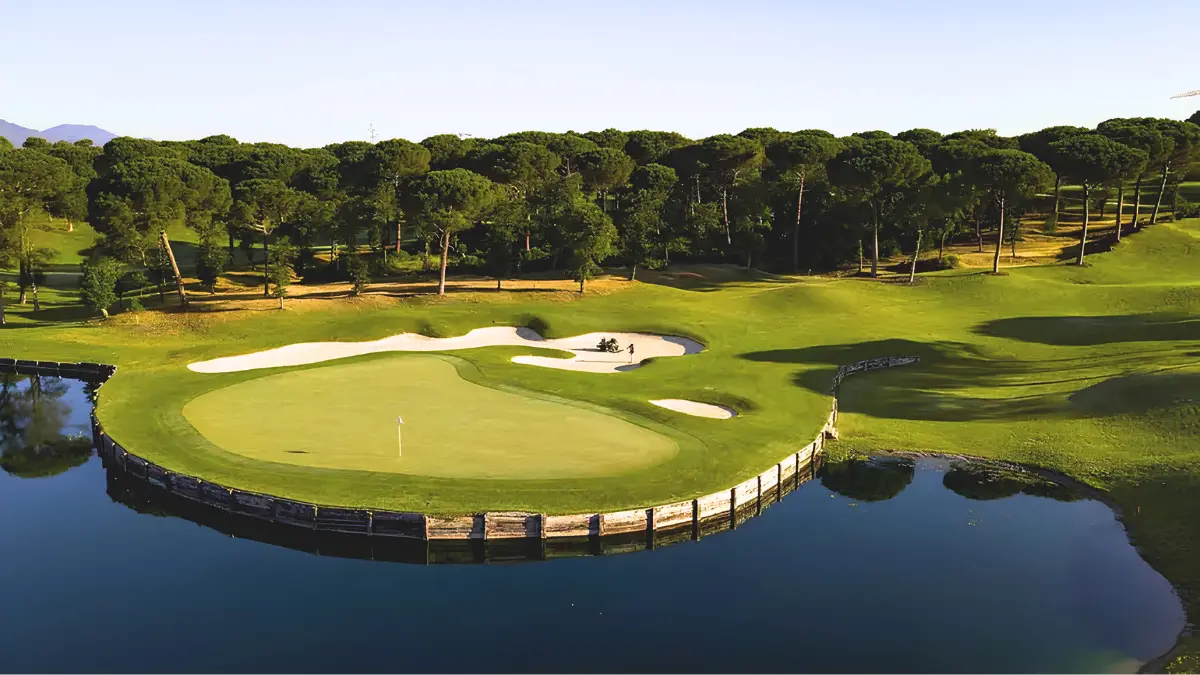
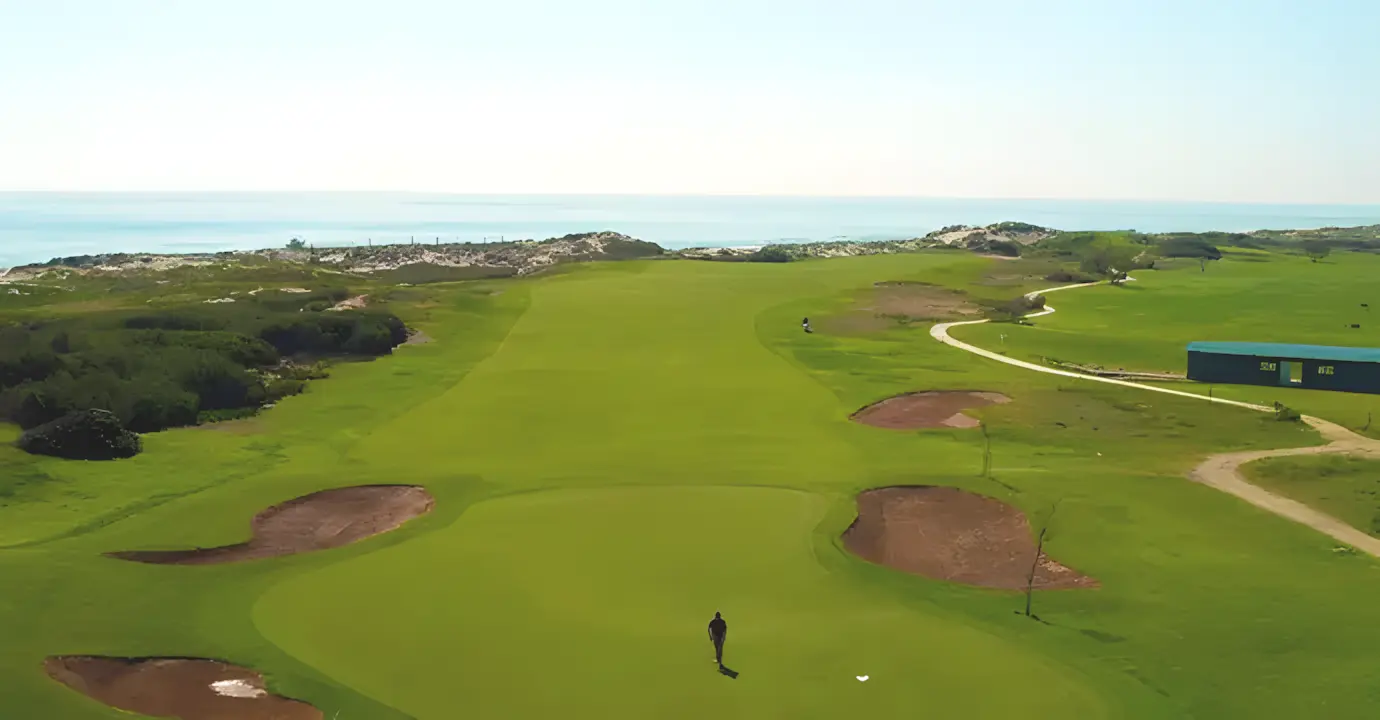
Camiral operates two courses, and they reward different games. The Camiral Stadium is the tougher of the pair, having hosted a DP World Tour event three times, most recently in 2022, and the European Tour’s Qualifying School Final Stage on seven occasions since 2008.

Camiral Stadium course fairway with the Girona countryside behind, Costa Brava
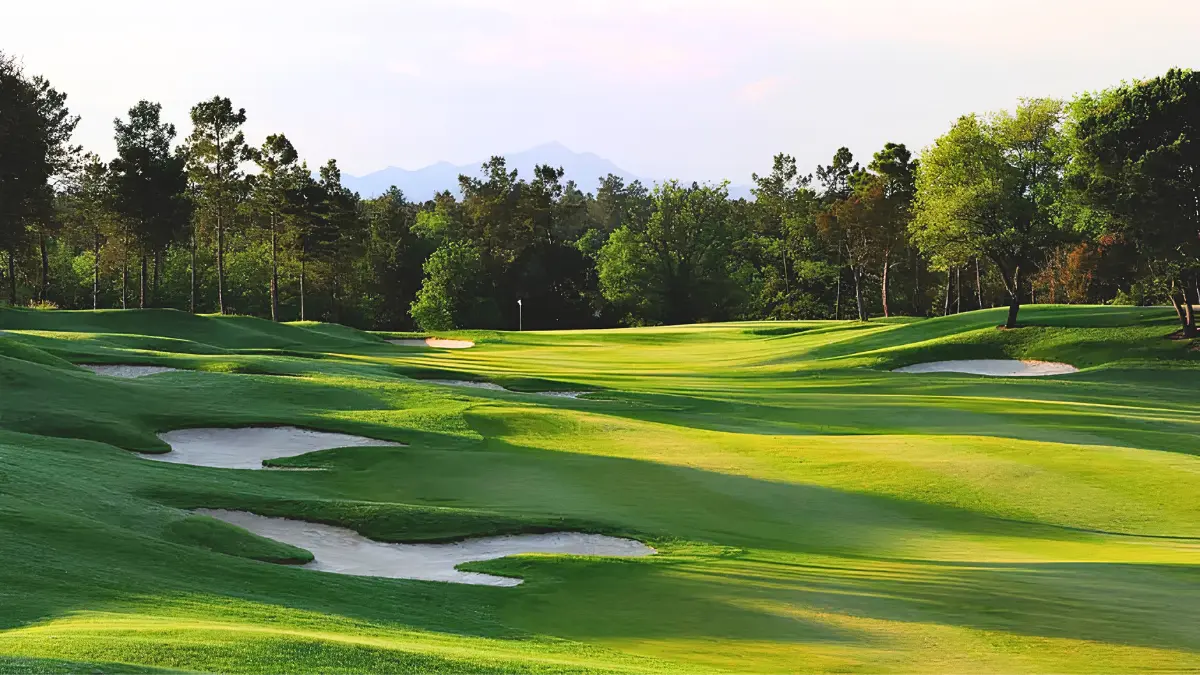
Next door, the Camiral Tour was built to the same standard but wider, with larger greens that give a broader range of handicaps a fair shot at scoring well. Both share ground that was originally earmarked for a Grand Prix circuit before Formula 1 relocated to Montmeló — golf got the better draw. Between now and 2031, the resort will also host the Estrella Damm Catalunya Championship each year from 2028 to 2030, so the countdown is already on the calendar. (ESPN)

Camiral Tour course, the kinder option

Girona and the Costa Brava Table

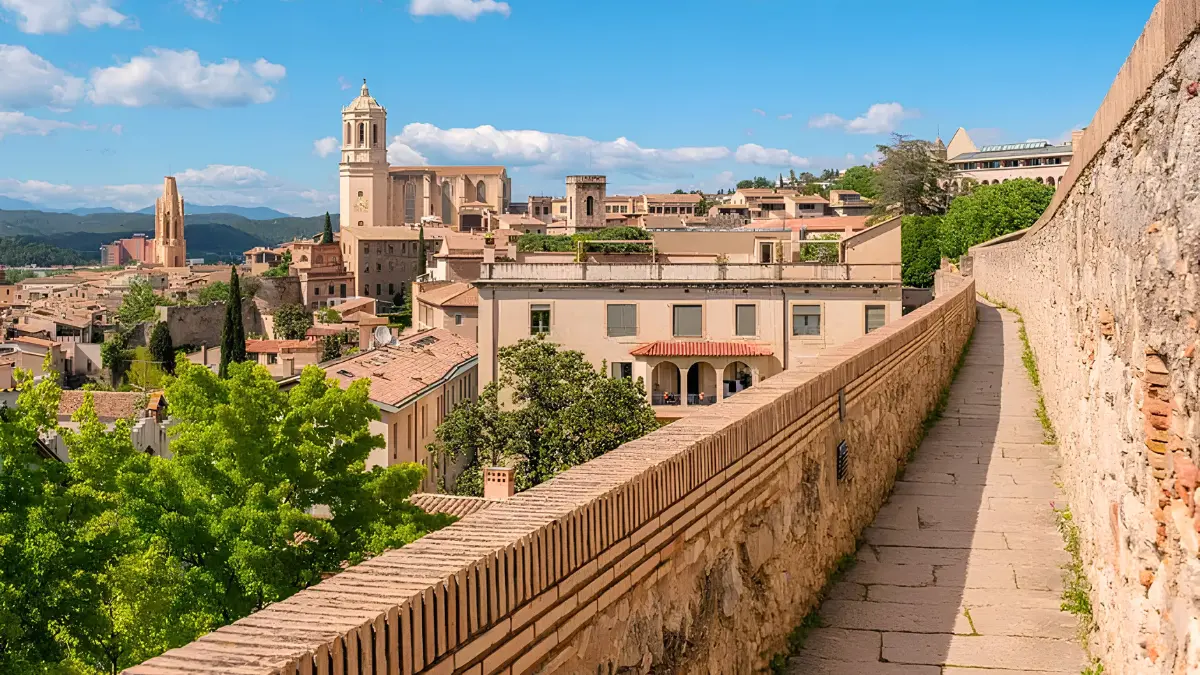
The resort itself, now trading as Camiral after years as PGA Catalunya, sits a five-minute transfer from Girona airport. Girona itself is worth the detour on a rest day — a walled old town of stone stairways and a cathedral that climbs straight up from the Onyar river, with a market culture built on Catalan cooking rather than tourist menus. Barcelona is an hour away if the trip stretches to a long weekend either side of the golf. (The Independent)

Historic Old tow Girona

Play It Before 2031

Ryder Cup venues rarely get quieter as the event approaches. Valderrama’s profile only grew after 1997, and Camiral will follow the same curve — more attention, fuller tee sheets, and eventually a course that plays host to the loudest week in golf. Six years is not a long runway. The Stadium and Tour courses are booking-ready now, at a stage where a serious golfer can play the same fairways the world’s best will contest without the surrounding circus.

Camiral joins a shortlist of courses that will only get harder to book quietly. Browse Costa Brava golf holidays and get there ahead of 2031.

The Tournament That Discovered Sergio García Returns to Valencia This Week

Before the Majors, They Play El Saler

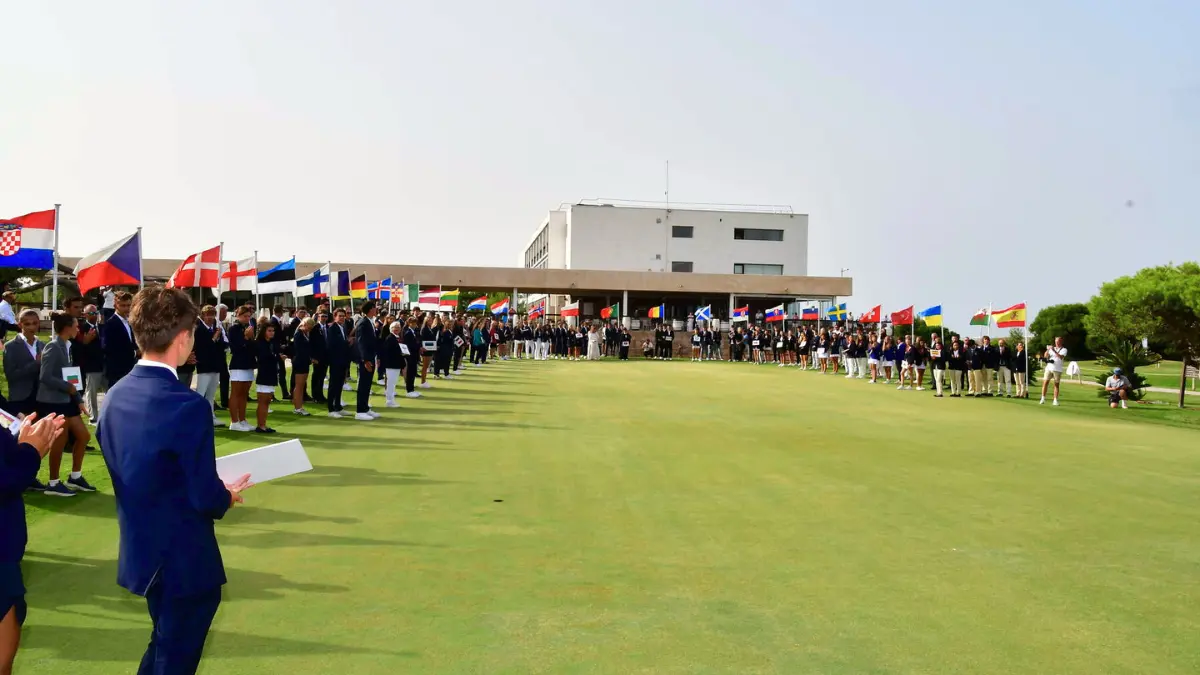
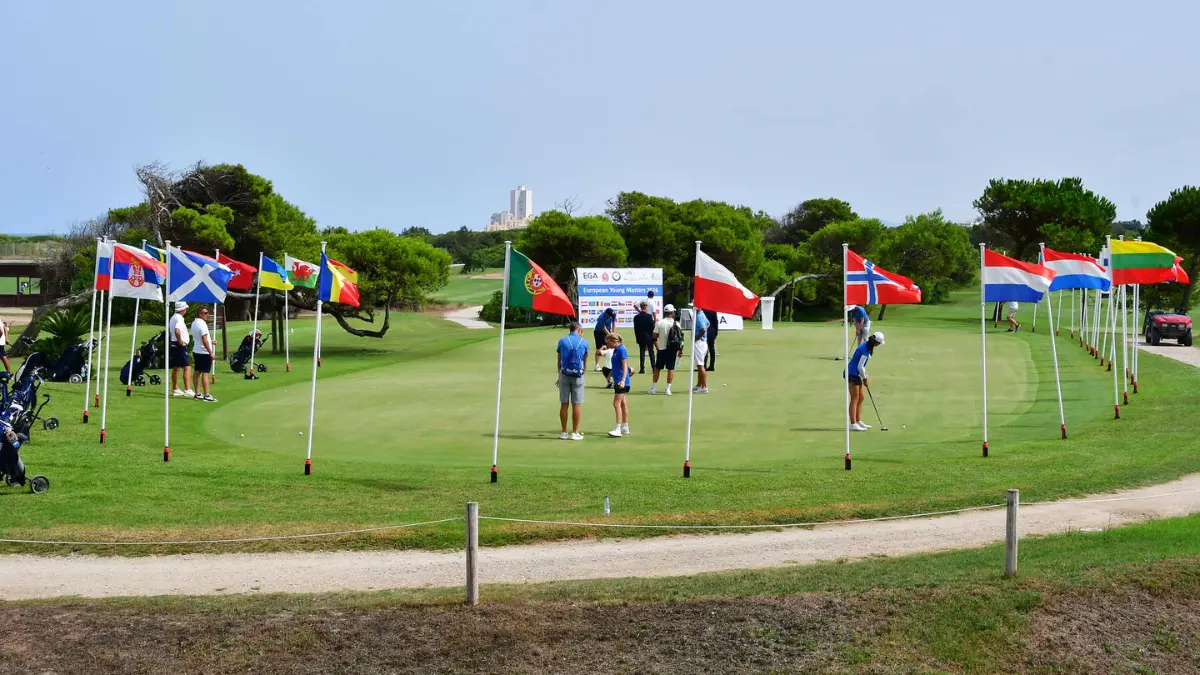
Every July, the future of European golf assembles on the Mediterranean coast south of Valencia, and few people outside junior golf circles notice. This week is no exception. The European Young Masters 2026 begins today at Parador de El Saler, bringing together 120 of the continent’s best under-16 golfers from 33 countries, competing individually and in the Nations’ Cup team format. It is a small event by spectator standards. It is not a small event by any other measure.

A Roll Call Worth Knowing

120 of the continent's best under-16 golfers from 33 countries
The names attached to this tournament’s history explain why it matters. The first European Young Masters was held in 1995, and its inaugural boys’ champion was Sergio García. Since then the boys’ and girls’ titles have passed through the hands of Rory McIlroy, Viktor Hovland, Jon Rahm, Carlota Ciganda, Suzann Pettersen, Georgia Hall, and Matt Fitzpatrick, among others. Whoever lifts the trophy this weekend joins that list. Nobody watching will know yet whether they belong on it. (Polski Związek Golfa)

The Course Doing the Testing

El Saler is not a gentle proving ground. Built in 1968 by Javier Arana, widely regarded as the defining architect of Spanish golf, the course sits inside the El Saler Natural Park on the Mediterranean shore, its front nine running through beach-links terrain reminiscent of Scotland and its back nine turning inland through pine forest.

120 of the continent's best under-16 golfers from 33 countries

Bernhard Langer holds the course record. Professionals, amateurs, institutions, and the specialised press have long ranked El Saler among the finest course layouts anywhere. (European Golf Association) Golfers wanting to walk the same links can do so at El Saler Golf Course, with the on-site Parador de El Saler putting rooms a short walk from the first tee.

A Nations’ Cup With Real Stakes

Alongside individual medals, the tournament runs a Nations’ Cup: each country’s three best daily scores from its four representatives are combined, and the lowest total after three rounds of stroke play wins. Spain won that inaugural Nations’ Cup in 1995 and has claimed it more times than any other country since — a small but pointed detail for a tournament staged on home Valencian soil.

European Young Masters 2026

Junior tournaments rarely make headlines, and that is precisely why they reward attention. Somewhere in this week’s field at El Saler is very possibly a name that will be familiar within a decade. Golfers keen to test the same coastline for themselves can browse Costa Blanca golf holidays and see what drew Arana, Langer, and now Europe’s best juniors to this stretch of Mediterranean links.


Vote for Tee Times

The Masters and the Spanish Golf Legacy at Augusta

Few tournaments in the world of golf evoke as much emotion and tradition as The Masters at Augusta National Golf Club. This tournament holds a special place in the Spanish golf legacy because of its prestige and the champions who’ve walked its fairways and donned the iconic Green Jacket.

It all began with Seve Ballesteros, who, in 1980, became the first European ever to win The Masters. Just 23 years old, Seve stunned the American crowd with his bold shot-making and unmatched charisma. He’d go on to win again in 1983, forever linking his name with Augusta’s legacy. His victory opened the gates for a new era of European contenders and a golden chapter for the Spanish golf legacy.

José María Olazábal followed in Seve’s footsteps, winning not once but twice, in 1994 and 1999. Quiet and precise, Olazábal was a master of Augusta’s undulating greens. His 1999 comeback win after a career-threatening injury remains one of the most emotional stories in Masters history. Many recall the embrace between him and his caddie at the 18th—pure magic.

The Unstoppable Spanish Golf Legacy

Then came Sergio García, whose dramatic playoff win in 2017 brought tears to the eyes of golf fans worldwide. After 73 attempts at majors without a win, Sergio broke through at Augusta on what would’ve been Seve’s 60th birthday. The tribute was unspoken but profound. That year, the Green Jacket was more than a trophy; it symbolised perseverance and destiny.

Jon Rahm‘s 2023 win was dominant (the last by a Spaniard) and remains a firm favourite this year. García will join him, still hungry and always dangerous at Augusta, Olazábal, playing both as past champions, and Jose Luis Ballester, who won the last U.S. Amateur.

Augusta is always full of surprises, and Spaniards again take centre stage. The Spanish golf legacy Seve started more than four decades ago is alive and well, and this week, all eyes will be on the azaleas—and García, Olazábal, Rahm and Ballester chasing history.

Photo: Live About.