Real Novo Sancti Petri’s Summer Card Fills Up Fast

Fourteen Tournaments, Two Courses, One Very Busy Cádiz Clubhouse.

There is a particular kind of energy at a Spanish golf club in high summer, when the heat sits heavy over the fairways by mid-morning and the clubhouse fills anyway. Chiclana de la Frontera does not slow down for it. Real Novo Sancti Petri’s 2026 tournament calendar runs fourteen fixtures across July and August, a mix of national circuits, charity fundraisers and corporate golf days that keeps both courses busy well past the point most clubs start thinking about siesta.
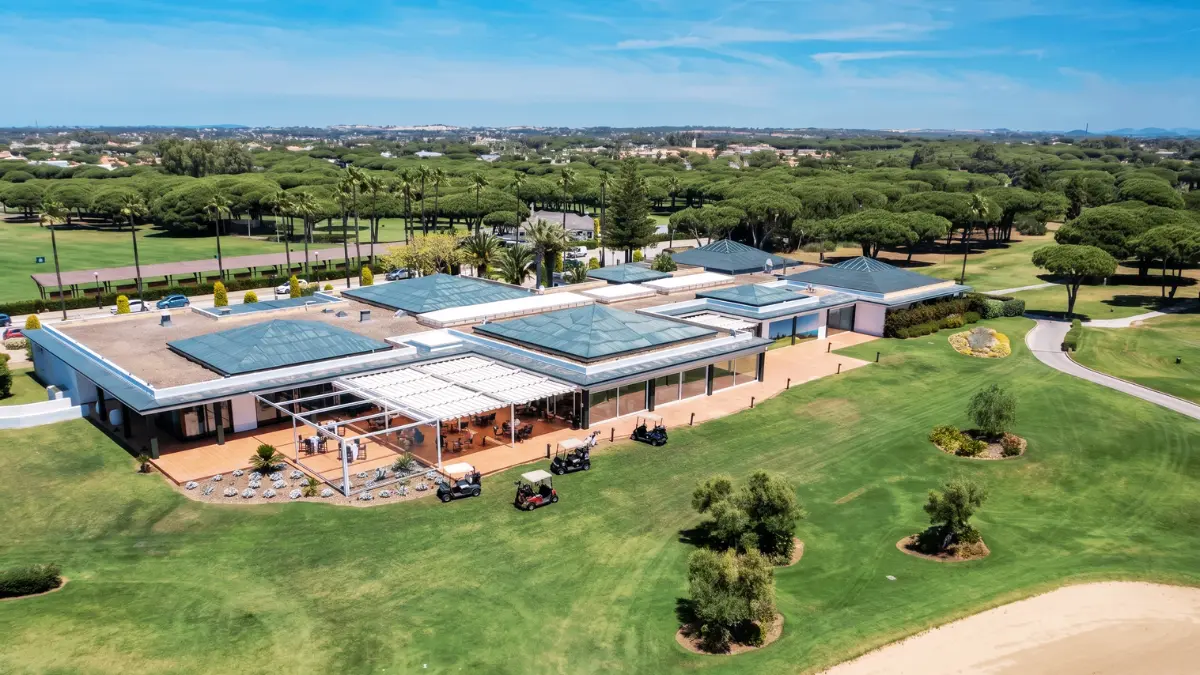
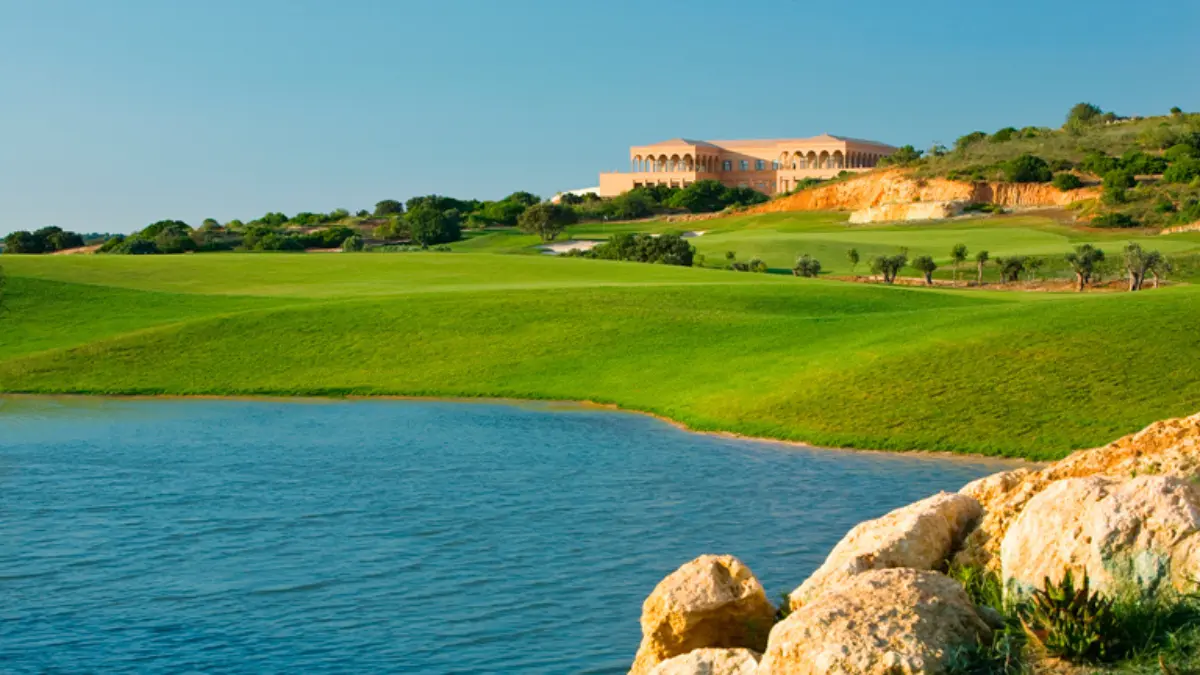
Clubhouse terrace at Real Novo Sancti Petri during the summer tournament season

Fourteen Fixtures, Two Courses

Three events open the run in July, with eleven more following through August, split across the club’s two Seve Ballesteros-designed layouts, Pines & Sea and Centre. It is a demanding schedule for any club to host back to back through the hottest months of the year, and a fair indication of how central golf remains to summer life on this stretch of the Costa de la Luz. There is something rather satisfying about a fixture list this dense — proof that a club’s popularity holds even when the mercury does not cooperate. (Real Novo Sancti Petri)
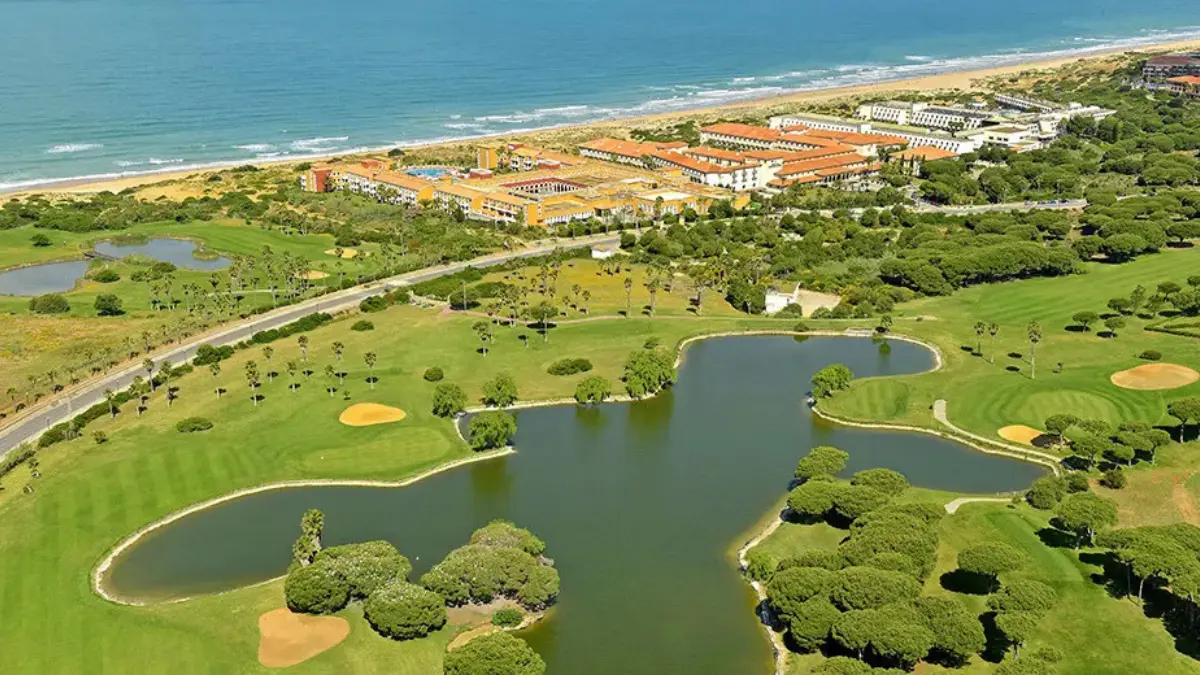
Aerial Shot of Real Novo Sancti Petri

Corporate Names on the Card

Several of the August dates carry a brand’s name rather than a sponsor’s logo tucked in the corner — Coca-Cola, Nestlé, Ferrer Wines and Royal Bliss all host days, alongside hospitality fixtures for Coco Novo Beach Club, Le Club and Golf Divino. It is a reminder that in Spain, a golf day often doubles as a client lunch with rather better scenery — introductions made on the first tee, deals half-settled by the turn, the real business conducted somewhere around the eighteenth green with a cold drink in hand. (Real Novo Sancti Petri)
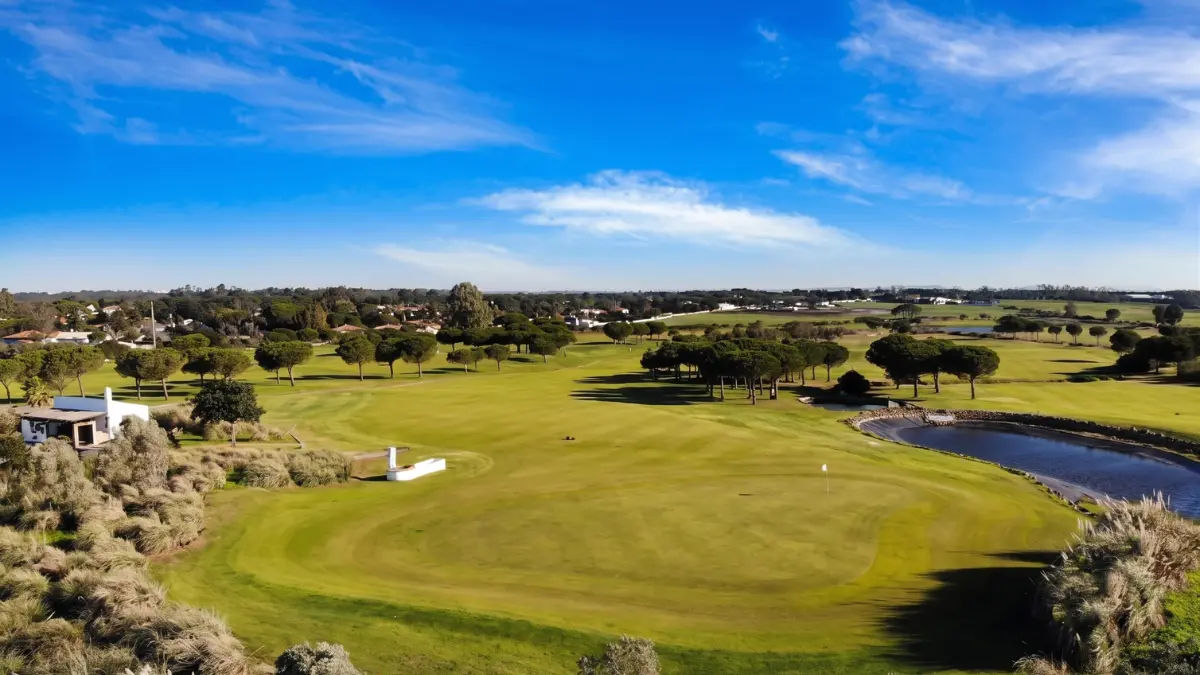
Real Novo Sancti Petri Drone Shot

Charity Fixtures and National Circuits

Unicaja and the Spanish Association Against Cancer (AECC) both run fundraising tournaments within the calendar, sitting alongside stops on established national amateur circuits. For a club of this size, hosting both charity golf and competitive circuit events in the same eight-week window says as much about its course conditioning as its popularity — greens and fairways do not survive that kind of traffic on reputation alone.
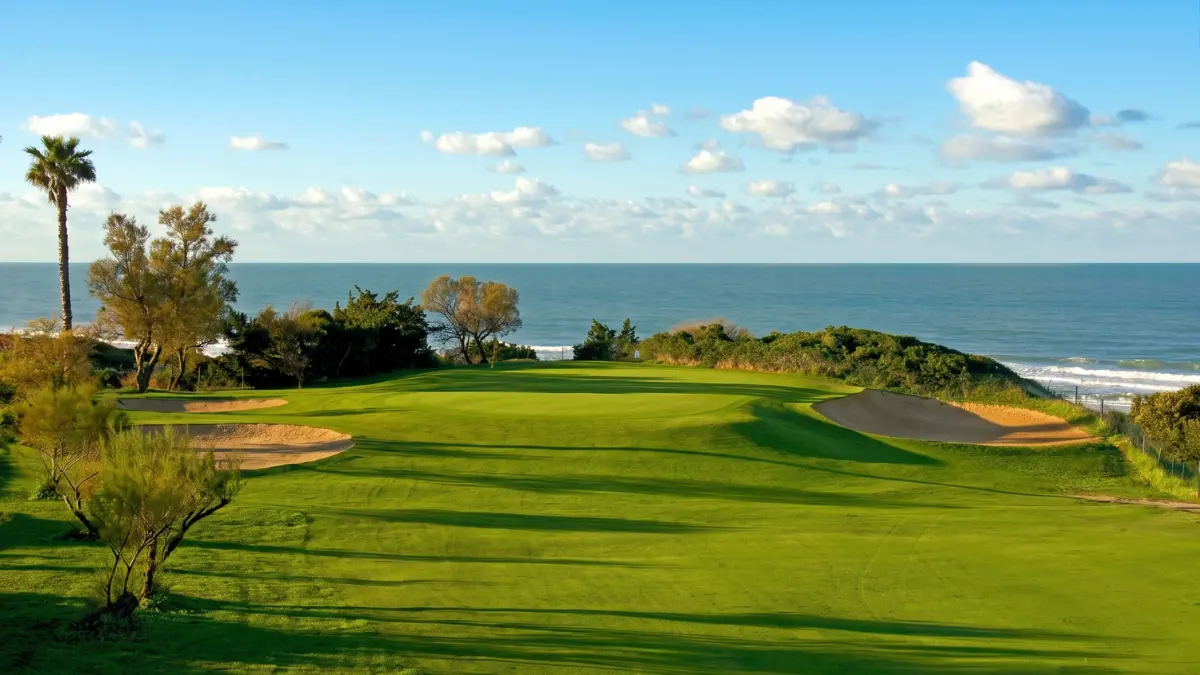
Real Novo Sancti Petri Gol and Waves

Chiclana as a Base

The town itself rewards anyone building a trip around the calendar rather than just a tee time. La Barrosa beach sits a short drive from the clubhouse, its stretch of pale sand backed by pine forest rather than concrete, and the seafood along the seafront is the kind that makes an evening feel earned after eighteen holes in the heat. Chiclana has long operated in the shadow of its more famous Cádiz neighbours — Sancti Petri’s tournament calendar this summer is a definite argument for giving it rather more attention.
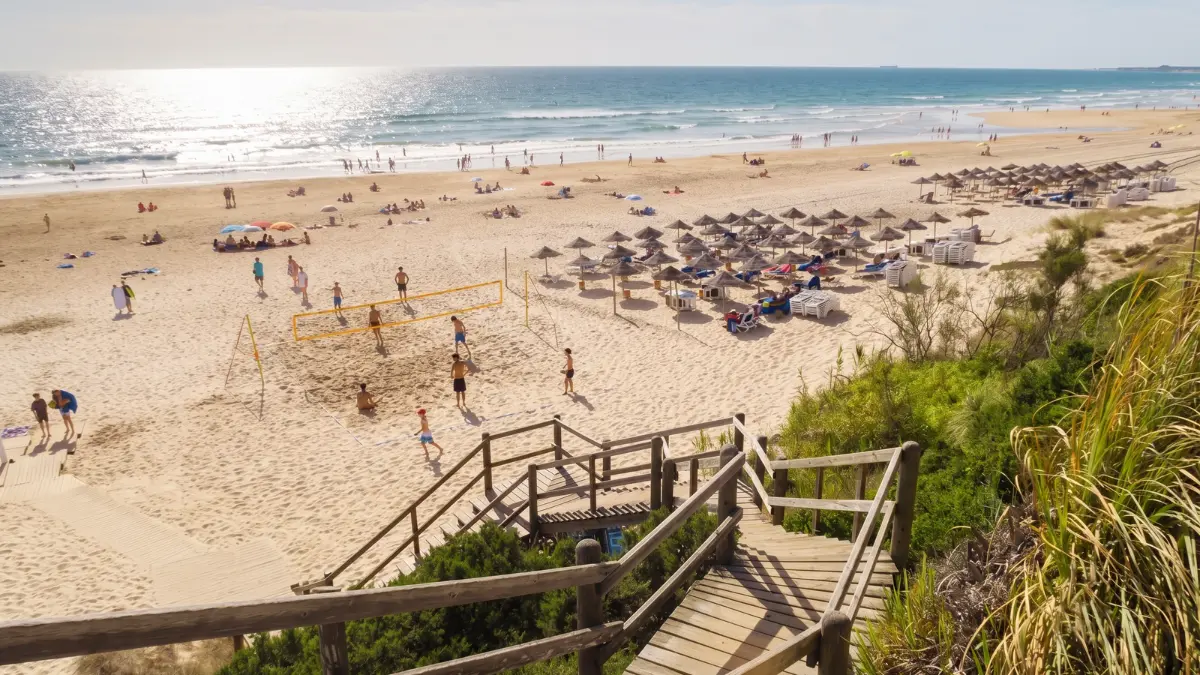
La Barrosa beach near Chiclana de la Frontera, close to Real Novo Sancti Petri

Booking a Round Around It

Registration for each fixture runs through TeeOne, with places allocated by order of booking rather than by invitation. Anyone travelling to the Costa de la Luz this summer who fancies a competitive round rather than a quiet one would do well to check the calendar before finalising dates — a packed tournament sheet also means a genuinely busy, sociable clubhouse most evenings.

A summer this full says everything about where Cádiz golf currently stands. Browse our Cádiz golf holidays and build a trip around it.
Amendoeira Signs Water Reuse Protocol With Águas do Algarve

The resort’s efficiency awards now come with a signature on paper — and some serious plumbing next door in Vilamoura.

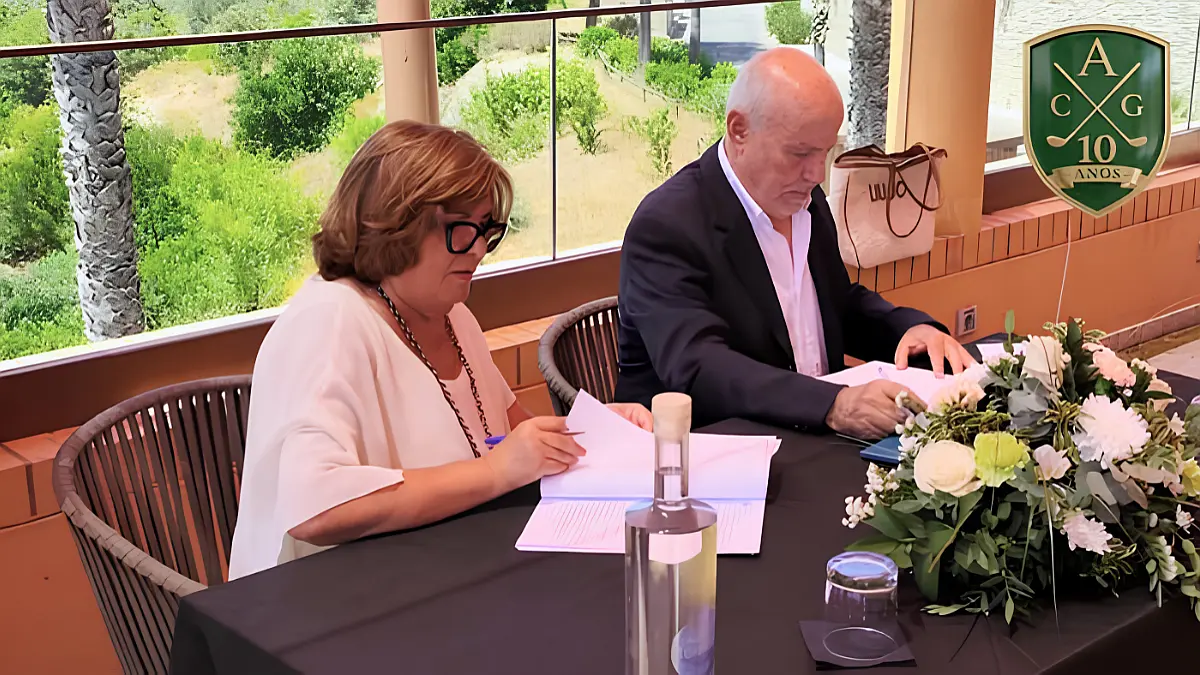
Amendoeira Golf Resort marked a quiet but considerable moment this week: a formal cooperation protocol with Águas do Algarve, committing the Silves resort to greater use of treated Água para Reutilização (ApR) on its two golf courses.

Signing ceremony for the Águas do Algarve water reuse protocol at Amendoeira Golf Resort, SilvesThe signing, held at the resort itself, closed a day in which Portugal’s Minister of the Environment and Energy, Maria da Graça Carvalho, opened some of the largest water infrastructure projects the Algarve has seen in years. For a region whose golf depends on rainfall it can no longer take for granted, the timing was not accidental.
The agreement was signed at Amendoeira by the resort’s CEO, Eng.º Parreira Afonso, alongside director João Fernandes and the administration of Águas do Algarve. Its purpose is specific: increase the share of treated, reused water irrigating Amendoeira’s Faldo and O’Connor Jnr. courses, reducing the resort’s reliance on groundwater and dams already under pressure from tourism, agriculture and a growing resident population.

Why the Algarve’s Golf Courses Are Watching Closely

Early Morning Irrigation Golf Course Algarve

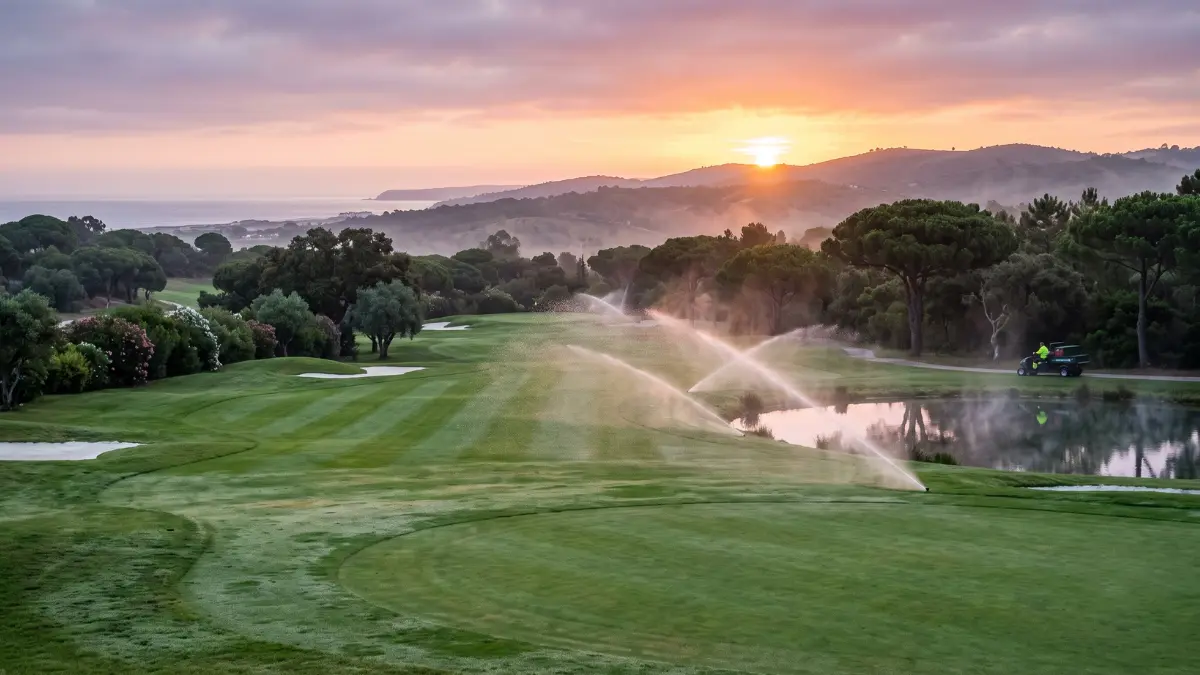
Golf accounts for roughly 15 cubic hectometres of water use across the Algarve each year. Águas do Algarve’s own Water Efficiency Plan targets 8 cubic hectometres of treated reused water in irrigation by the end of 2025 — 71 per cent of it earmarked for golf courses. Reach that, and around half of the region’s forty-odd courses will be running at least partly on reused water rather than water drawn from boreholes and reservoirs. (Sul Informação)

The Bigger Story, Down the Road in Vilamoura

Amendoeira’s signature came at the end of a single, dense day of Algarve water announcements. That same Wednesday, Maria da Graça Carvalho inaugurated the new Água para Reutilização station at Vilamoura — now described as the largest wastewater reuse plant of its kind in Europe, built at a cost of around €13 million with roughly 12 kilometres of new pipework and ten delivery points feeding golf courses, gardens and farmland. (Algarve Marafado)

Founation Stone of the new desalination plant - Algarve

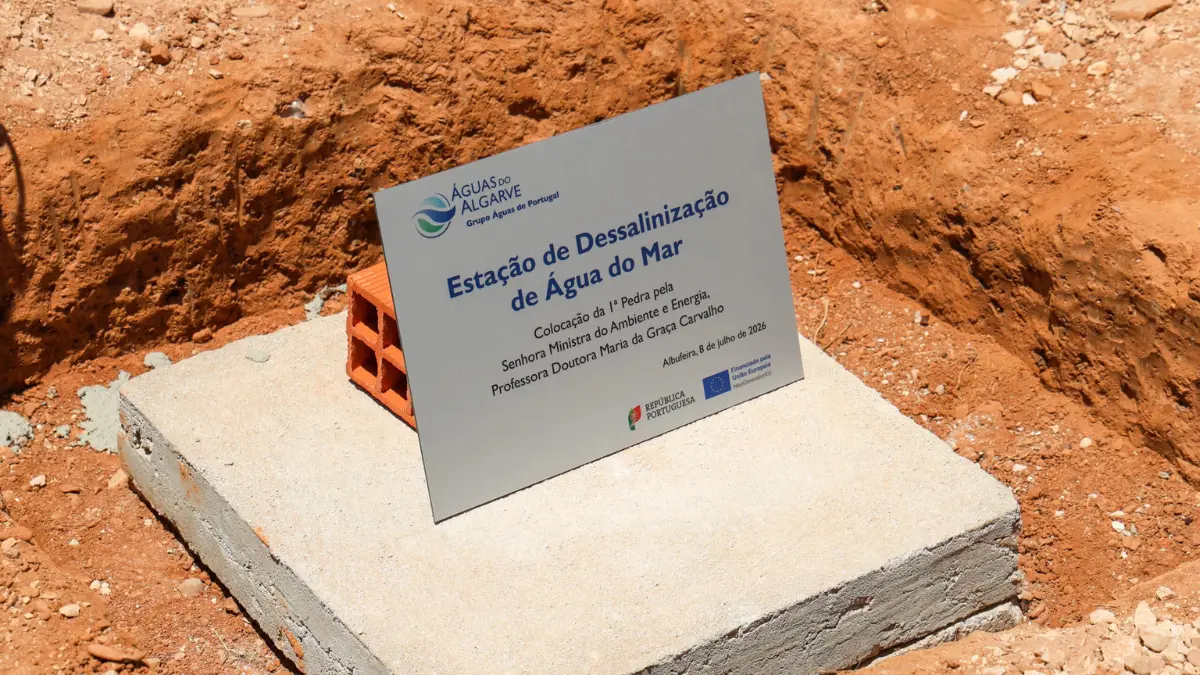
The minister also laid the symbolic first stone for the Algarve’s new desalination plant in Albufeira — a €107.92 million contract awarded to the Aquapor–GS Inima consortium, around €56 million of it funded through Portugal’s Recovery and Resilience Plan, designed to convert 16 million cubic metres of seawater into drinking water a year, with capacity to grow to 24 million. (Agroportal) A new wastewater treatment station at Albufeira Poente closed out the visit.

A Resort That Was Already Paying Attention

Amendoeira arrives at this protocol with some form. The resort already holds Green Key certification, Turismo de Portugal’s Sustainability Committed label, and the Save Water efficiency seal — recognition, in each case, for measurable changes rather than good intentions. (Amendoeira Golf Resort) Courses that plan for water scarcity now are the ones still worth playing in fifteen years.

Amendoeira Faldo Golf Course - Algarve

None of this changes what a round at Amendoeira feels like on the day — the Faldo’s tight, tree-lined finish is still the Faldo. But it says something about a destination when the golf infrastructure is built to outlast the next dry summer, not just survive it.


Vote for Tee Times

Porto for Golfers: The Case for Going North

The Algarve is a golfing mecca. But there is a corner of Portugal that most visiting golfers never reach — and it has been waiting since 1890.

Ask a golfer about Portugal and they will tell you about Quinta do Lago, Vale do Lobo, the limestone cliffs above Lagos. All of it richly deserved. But Portugal’s golf did not begin in the Algarve, and the country’s most historically significant course sits three hundred kilometres to the north, a short drive from a city that has spent the last decade being named one of Europe’s finest. Porto rewards the golfer who is willing to look beyond the obvious.

Where Portuguese Golf Began

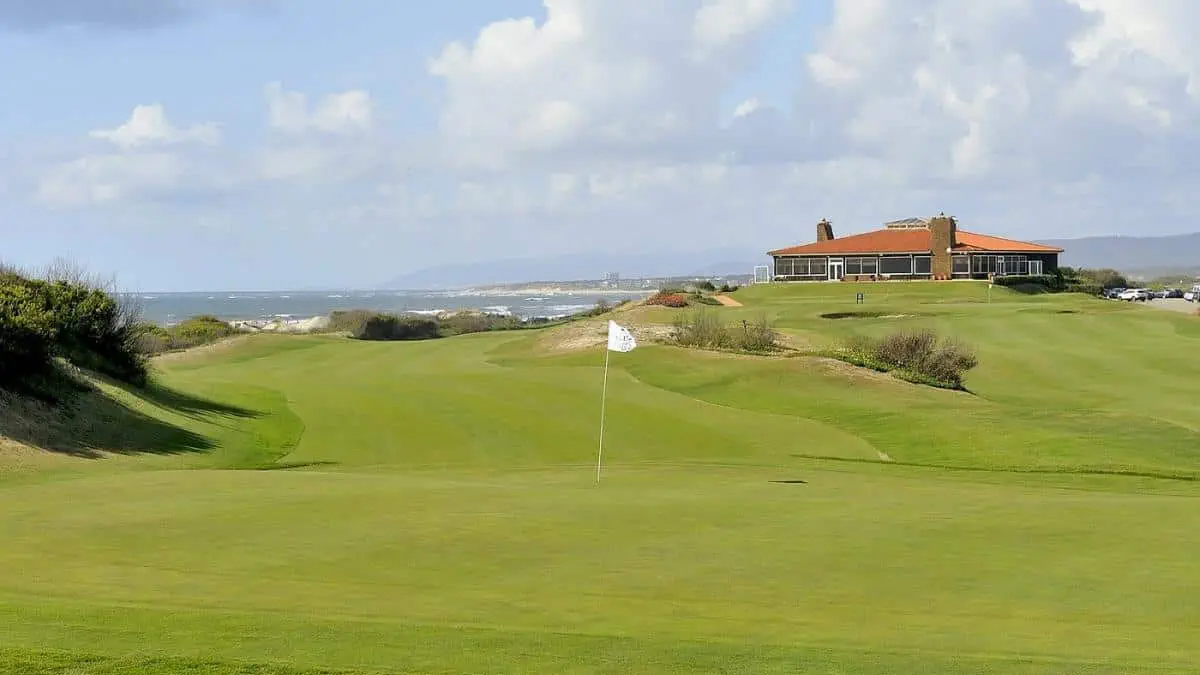
Oporto Golf Club links fairway with the Atlantic coast in the background, Espinho, northern Portugal

The Oporto Golf Club was founded in 1890 by British merchants who had come to Porto to trade in port wine and decided, as the British invariably do, to build a golf course. It is the oldest golf club in Portugal and one of the oldest in continental Europe — a genuine links layout seventeen kilometres south of the city, set behind dunes with the Atlantic close enough to make its presence felt on every hole. The north wind is the real opponent here. Narrow fairways and small greens demand precision that no amount of distance can compensate for.

The club has been running the Skeffington Cup continuously since 1891, which makes it, by most accounts, the oldest golf competition in the world played without interruption. That is not a detail to gloss over. It is the kind of history that a golfer either feels or does not — and those who do tend to remember a round at Oporto more vividly than rounds at courses three times its length. (Albrecht Golf Guide)

Links Golf on the Atlantic

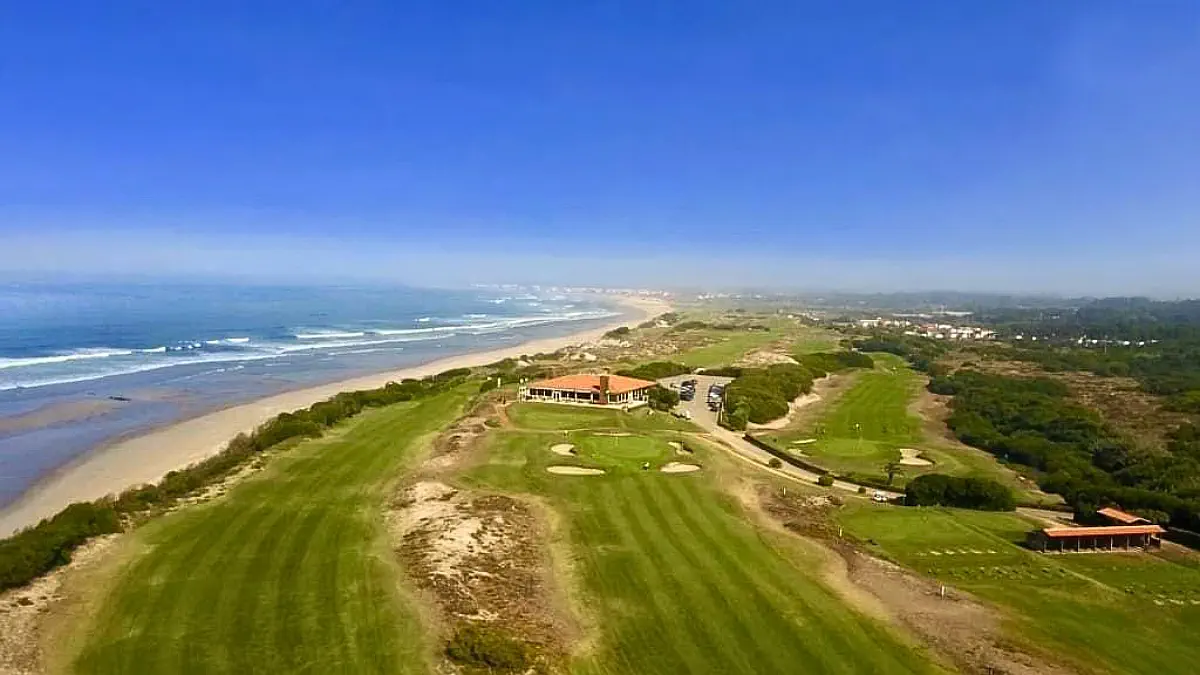
Estela Golf Club holes running alongside Atlantic dunes north of Porto, Portugal

Twenty minutes north of Porto, Estela Golf Club runs along three kilometres of Atlantic coastline in a manner that few courses in Iberia can match. It has hosted the Portuguese Open, been twice named club of the year in Portugal, and plays with the kind of exposure to wind and weather that keeps a scratch golfer honest. The fairways are generous but the dunes are not — miss the line and the course punishes with the quiet authority of any serious links. In summer, when the Algarve is baking, Estela is cooled by Atlantic breezes that make an afternoon round something to look forward to rather than merely endure.

Nearby, Club Golf Miramar offers nine holes of old-fashioned coastal links golf on a layout that dates to 1932 and was redesigned by Howard Swan. It is not a long course. What it is, is authentic — the kind of place where the game still has a slightly different atmosphere, closer to what it must have felt like before golf became an industry.

Something Altogether Different

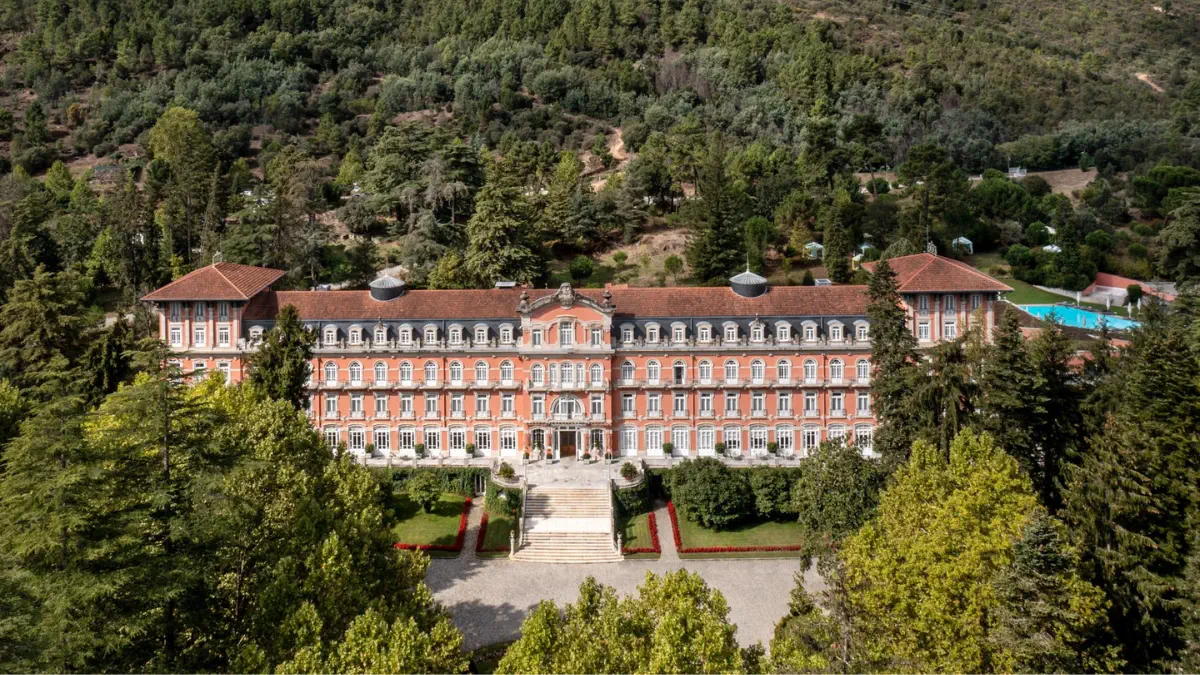
Splendour and History of the Vidago Palace Porto, Portugal

An hour inland from Porto, Vidago Palace Golf occupies a different world entirely. The course was originally laid out by Mackenzie Ross in 1936 within the estate of a Belle Époque palace built for a king who never got to see it opened.

Redesigned and expanded to eighteen holes in 2010, it remains one of the more dramatic rounds in Portugal — parkland and open valley alternating through the layout, with the 17th hole, known as Eagle’s Nest, playing from the highest point on the course to the lowest in a single breathtaking drop. The hotel is five-star. The thermal spa was designed by Álvaro Siza Vieira. The dining room holds a Michelin star. It is, in every sense, the kind of place a well-travelled golfer arrives at and immediately understands why he came.

The Rest of the Region

The Porto portfolio extends further than the headline courses. Vale Pisão sits within the city’s own reach, a parkland course that offers a straightforward introduction to golf in the north. Ponte de Lima takes the game into the Minho valley, one of the greenest and most quietly beautiful parts of Portugal, where the course plays through a landscape that has very little in common with anything on offer further south.

Amarante Golf Course sits forty-five minutes from Porto in the hills above the Tâmega river, the kind of inland setting that rewards a golfer who values scenery alongside their scorecard. And Montebelo, near Viseu, rounds out the region with a parkland layout that occupies its own unhurried corner of central-northern Portugal. None of these courses compete with Oporto or Vidago for historical weight — but all of them offer something the south does not: space, quiet, and the sense that golf here remains a pleasure rather than a production.

The City Itself

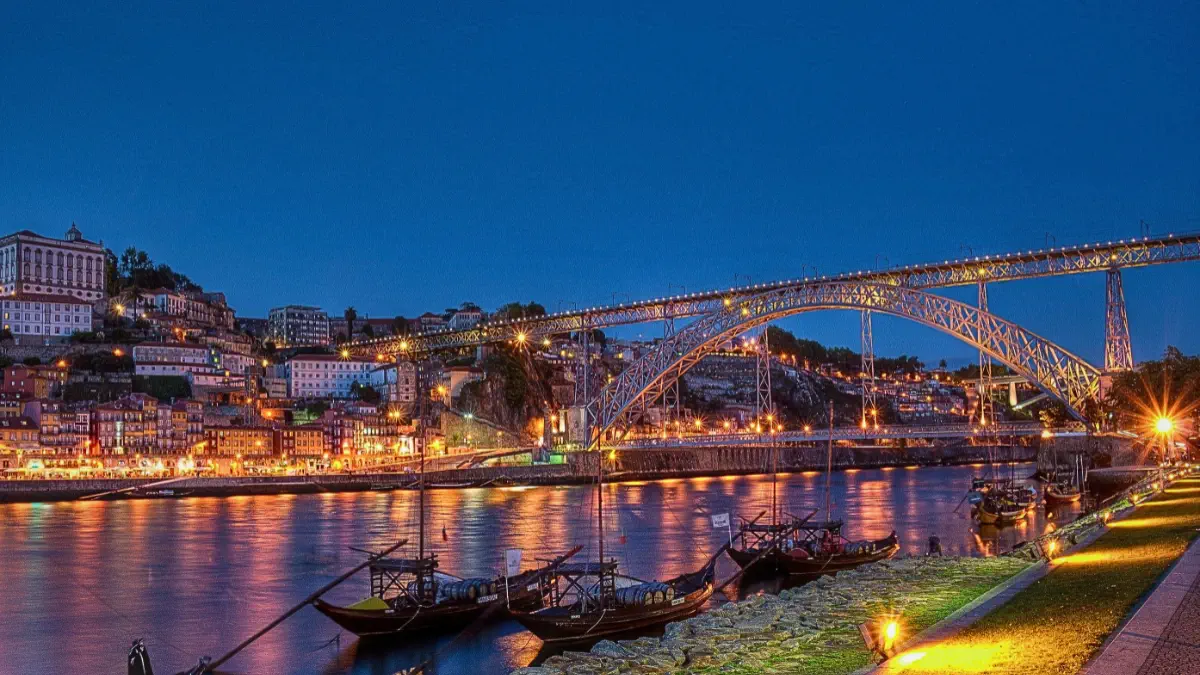
The Historic yet Vibrant city of Oporto, Portugal

Any trip north should begin or end in Porto. The Ribeira district, the port wine lodges across the river in Vila Nova de Gaia, the food — francesinha at a marble counter, grilled fish in a room that does not need a view because the food is reason enough — the city earns its reputation without trying. It is one of the genuinely great urban experiences in Europe, and it sits within easy reach of all the golf above.

The Algarve delivers, as it always has. But Porto offers something the south cannot: history, a change of register, and the particular pleasure of a destination that still feels like a discovery.

Browse our Porto golf holidays and start planning a trip north.


Vote for Tee Times