Spain Completes Historic Amateur Golf Treble in a Single Weekend

Three teams. Three finals. Three European titles.

Victorious Spanish Amateur Golfers

Spanish amateur golf produced one of its finest weekends on record. Three national squads contested three separate European Team Championships, in three different countries, and all three returned home with gold. The wins span three generations of Spanish golfers — senior women, junior women, and junior men — and confirm the strength of a development system that keeps producing teams capable of winning at the highest level.

A Fourth Straight Podium for the Senior Women
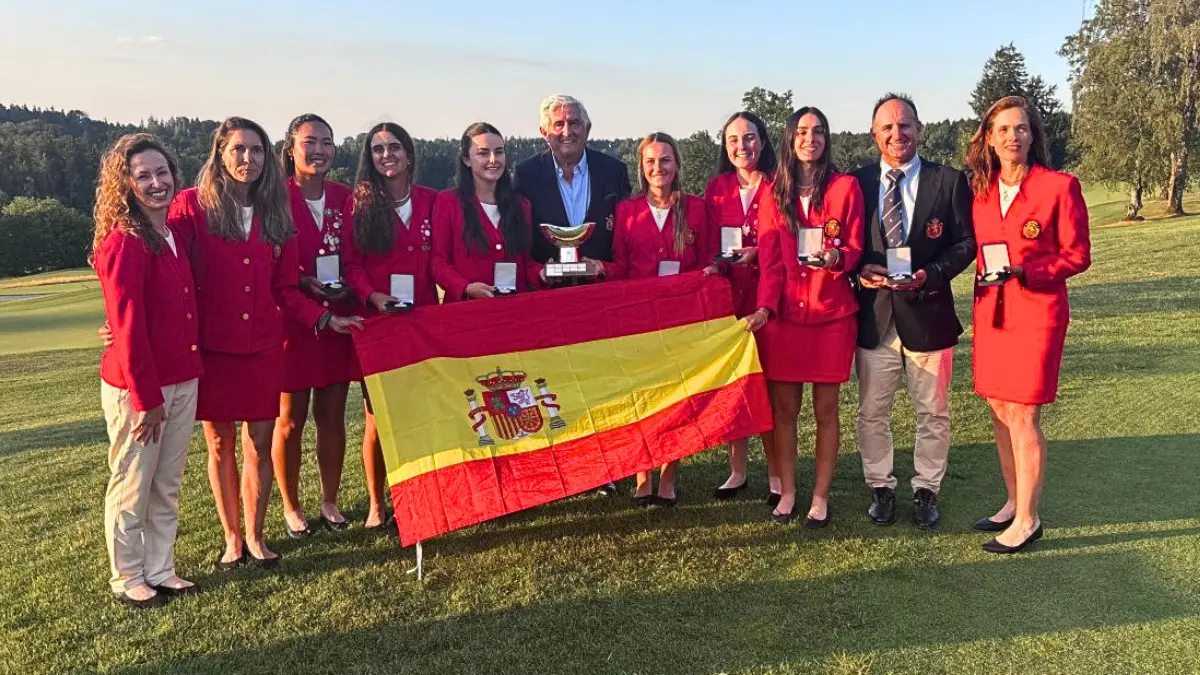
A Fourth Straight Podium for the Senior Women

The Spanish women’s national team retained its European Team Championship title, beating Ireland and Finland before defeating France 5-2 in the final, played in Ireland. Andrea Revuelta, Paula Martín, Cayetana Fernández, Paula Francisco, Balma Dávalos and Paula Balanzategui made up the winning side. It is Spain’s third title in the last four editions, its eighth overall, and its twelfth podium finish in nineteen years, according to the Real Federación Española de Golf.

Back-to-Back Gold for the Under-18 Women

Repeat Champions, under 18 women

In Switzerland, the Spanish Under-18 women’s team topped qualifying, beat Sweden and the Czech Republic, then edged a tight final against England. Nagore Martínez, Adriana García Terol, Carolina Pérez-Tasso, Amanda Revuelta, Ángela Revuelta and Carlota López delivered Spain’s second consecutive gold in the category and its eleventh European title overall — the most of any nation in the competition’s history.

Home Advantage Delivers for the Under-18 Men
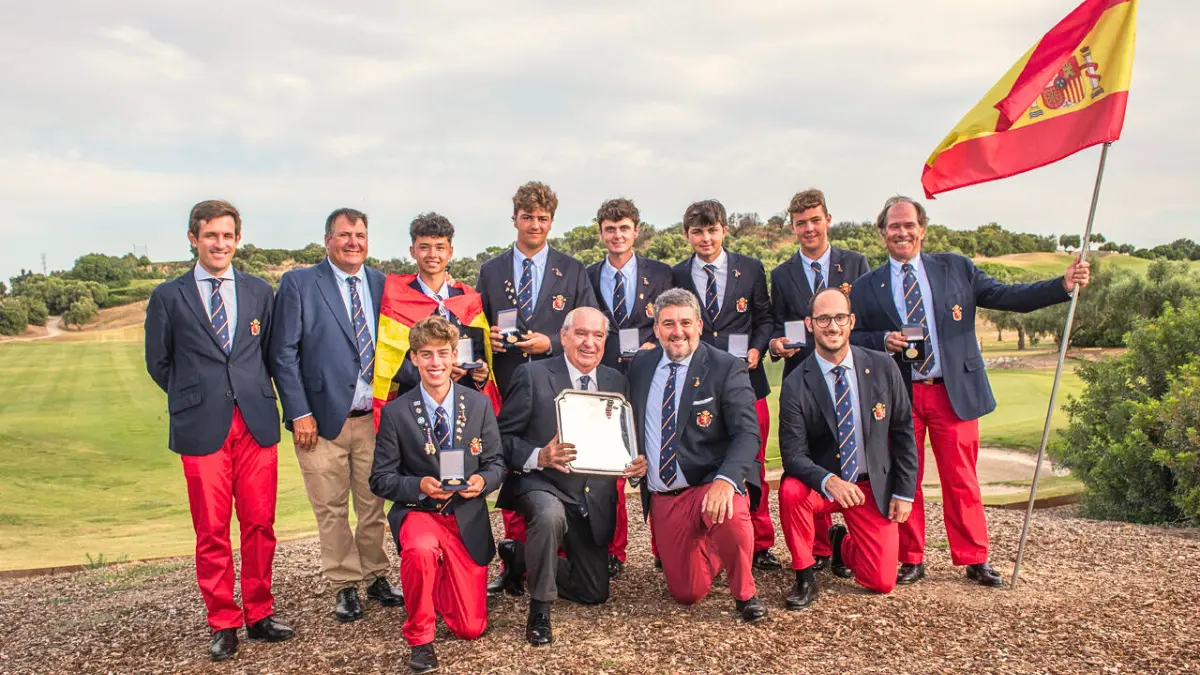
Under 18's also amongst the winners

The third title was won on home soil, at Montecastillo in Jerez de la Frontera. Gonzalo Baños, Nicolás Vidal, Mateo Hidalgo, Yago Horno, Raúl Gómez and Samuel Love led qualifying and beat England in the final, winning both the morning and afternoon foursomes sessions. A bunker shot from Gonzalo Baños on the 18th hole sealed the title in front of the home crowd — Spain’s eighth Under-18 men’s European title, placing the country level with England and Scotland at the top of the all-time standings.

A Result Built Beyond the Scorecard

Three titles, three generations, one weekend. Behind the results sit the players — but also the captains, coaches, physiotherapists, clubs, regional federations and families who support them year-round. Spanish amateur golf has rarely looked stronger. What comes next may be more exciting still.

Vote for Tee Times

Real Novo Sancti Petri’s Summer Card Fills Up Fast

Fourteen Tournaments, Two Courses, One Very Busy Cádiz Clubhouse.

There is a particular kind of energy at a Spanish golf club in high summer, when the heat sits heavy over the fairways by mid-morning and the clubhouse fills anyway. Chiclana de la Frontera does not slow down for it. Real Novo Sancti Petri’s 2026 tournament calendar runs fourteen fixtures across July and August, a mix of national circuits, charity fundraisers and corporate golf days that keeps both courses busy well past the point most clubs start thinking about siesta.

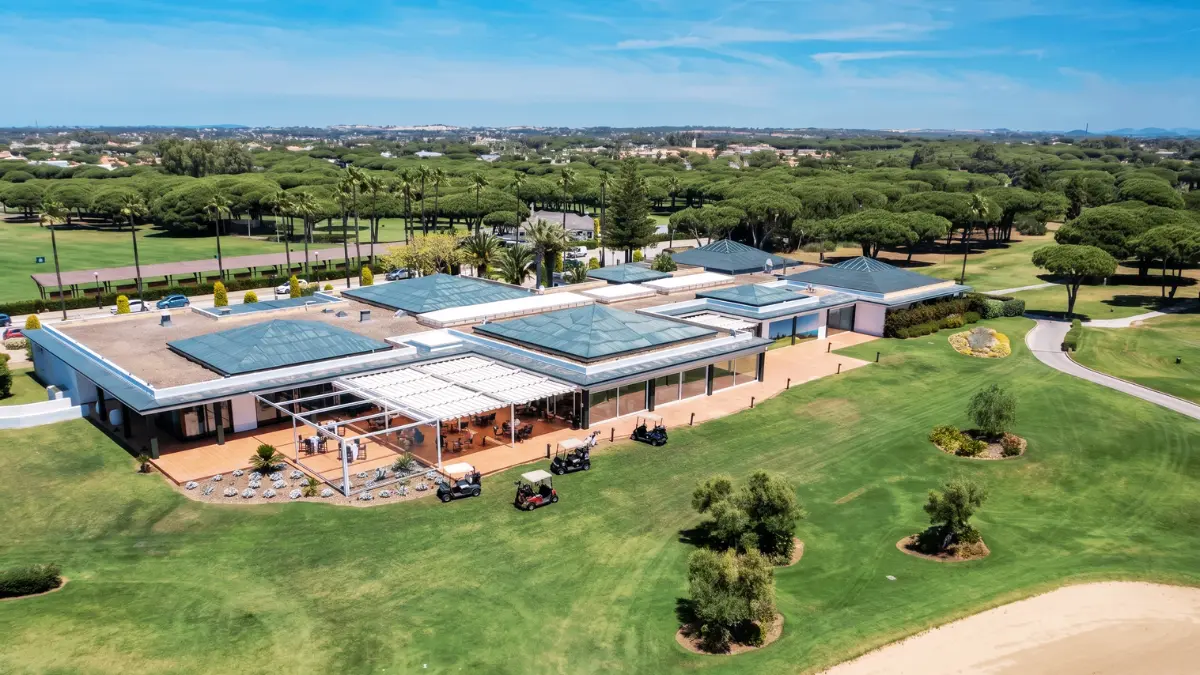
Clubhouse terrace at Real Novo Sancti Petri during the summer tournament season

Fourteen Fixtures, Two Courses

Three events open the run in July, with eleven more following through August, split across the club’s two Seve Ballesteros-designed layouts, Pines & Sea and Centre. It is a demanding schedule for any club to host back to back through the hottest months of the year, and a fair indication of how central golf remains to summer life on this stretch of the Costa de la Luz. There is something rather satisfying about a fixture list this dense — proof that a club’s popularity holds even when the mercury does not cooperate. (Real Novo Sancti Petri)

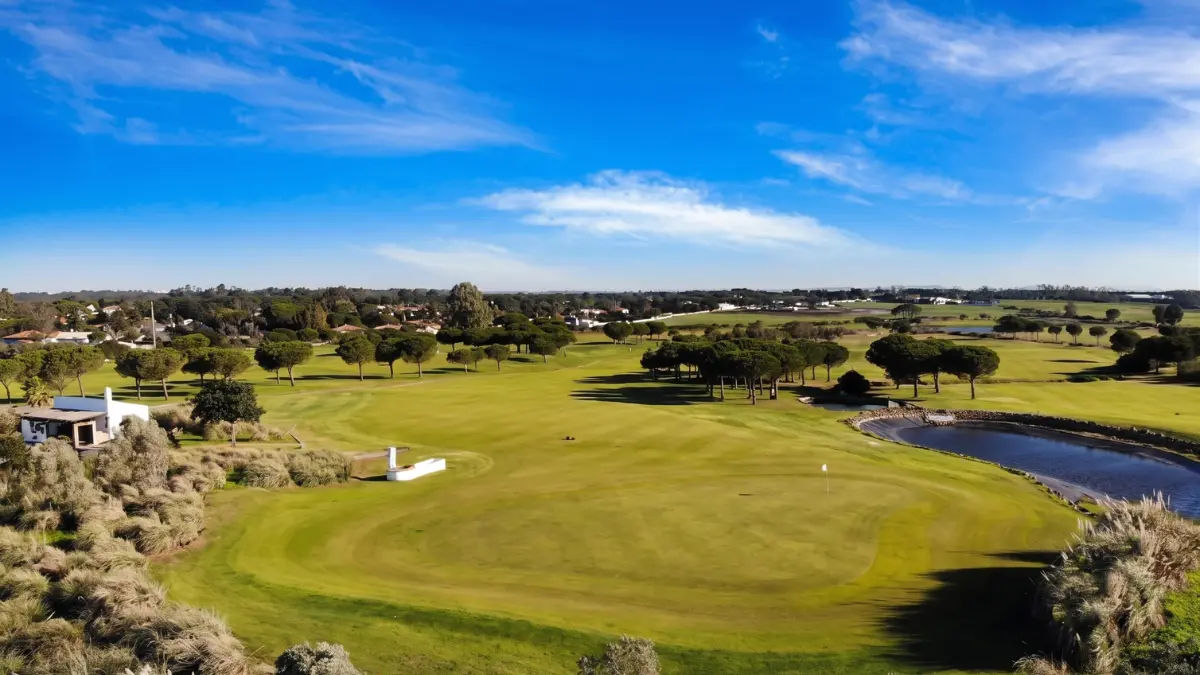
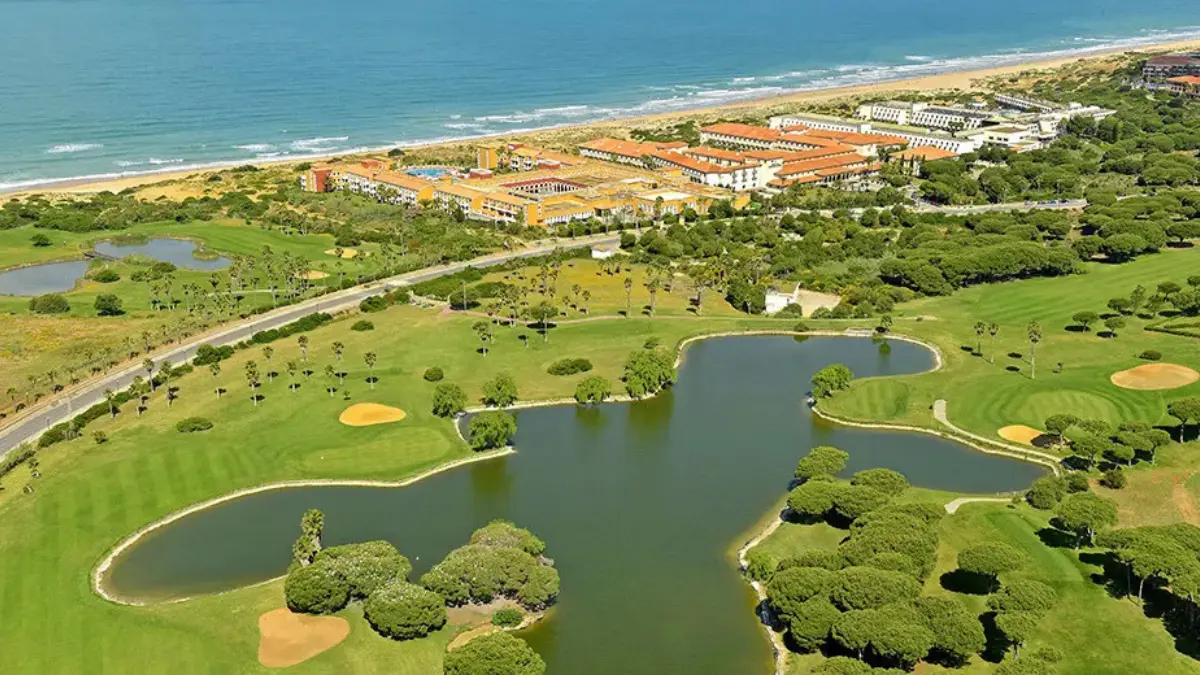
Aerial Shot of Real Novo Sancti Petri

Corporate Names on the Card

Several of the August dates carry a brand’s name rather than a sponsor’s logo tucked in the corner — Coca-Cola, Nestlé, Ferrer Wines and Royal Bliss all host days, alongside hospitality fixtures for Coco Novo Beach Club, Le Club and Golf Divino. It is a reminder that in Spain, a golf day often doubles as a client lunch with rather better scenery — introductions made on the first tee, deals half-settled by the turn, the real business conducted somewhere around the eighteenth green with a cold drink in hand. (Real Novo Sancti Petri)

Real Novo Sancti Petri Drone Shot

Charity Fixtures and National Circuits

Unicaja and the Spanish Association Against Cancer (AECC) both run fundraising tournaments within the calendar, sitting alongside stops on established national amateur circuits. For a club of this size, hosting both charity golf and competitive circuit events in the same eight-week window says as much about its course conditioning as its popularity — greens and fairways do not survive that kind of traffic on reputation alone.

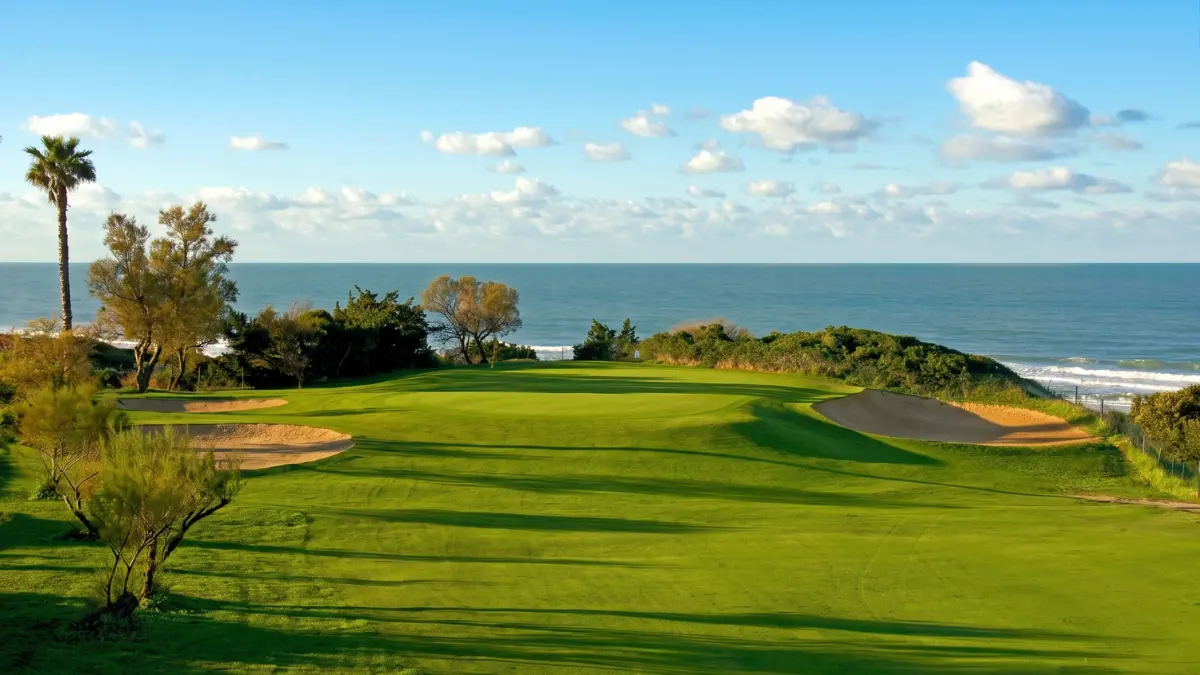
Real Novo Sancti Petri Gol and Waves

Chiclana as a Base

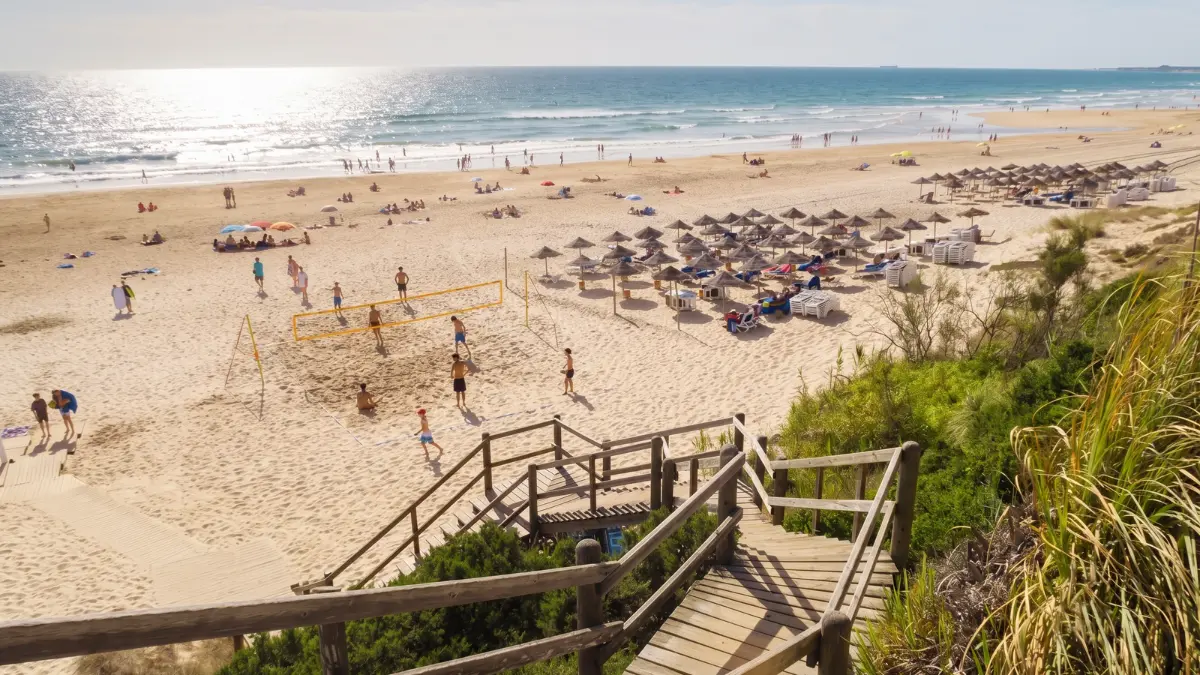
The town itself rewards anyone building a trip around the calendar rather than just a tee time. La Barrosa beach sits a short drive from the clubhouse, its stretch of pale sand backed by pine forest rather than concrete, and the seafood along the seafront is the kind that makes an evening feel earned after eighteen holes in the heat. Chiclana has long operated in the shadow of its more famous Cádiz neighbours — Sancti Petri’s tournament calendar this summer is a definite argument for giving it rather more attention.

La Barrosa beach near Chiclana de la Frontera, close to Real Novo Sancti Petri

Booking a Round Around It

Registration for each fixture runs through TeeOne, with places allocated by order of booking rather than by invitation. Anyone travelling to the Costa de la Luz this summer who fancies a competitive round rather than a quiet one would do well to check the calendar before finalising dates — a packed tournament sheet also means a genuinely busy, sociable clubhouse most evenings.

A summer this full says everything about where Cádiz golf currently stands. Browse our Cádiz golf holidays and build a trip around it.

The World Handicap System: a double-edged sword for golfers

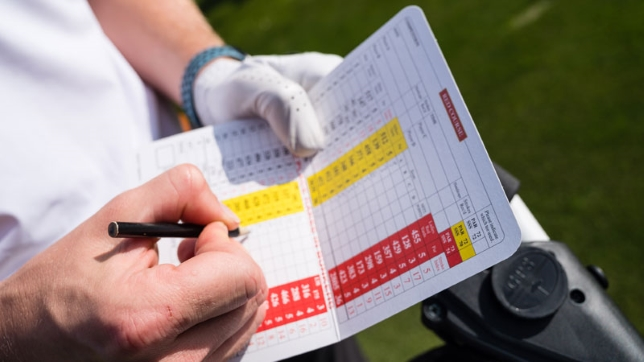
In 2020, the golfing world underwent a significant change with the introduction of the World Handicap System (WHS), replacing the traditional handicap systems across different countries. While it was initially praised for its efforts towards fairness and standardization, many golfers, especially those with low handicaps, have expressed discontent and criticism towards the new system.

Recently, an article titled “Why The World Handicap System Has Ruined Golf For Low Handicappers” by Carly Frost for Golf Monthly highlighted the issues with the current system. It has sparked a great debate, and many golfers, including seasoned veterans, continue to express reservations and frustrations with the new system. Of course, we recommend reading it and other opinions on a topic generating great controversy.


The World Handicap System debate

Despite its noble intentions, the WHS has failed to quell the ongoing handicap debate. Many golfers, including seasoned veterans, continue to express reservations and frustrations with the new system. The transition to the World Handicap System was supposed to simplify and streamline the handicap process, but it has only added complexity and confusion for some.

One primary criticism against the WHS is its perceived lack of fairness, especially for low-handicap golfers. Traditionally, golfers have strived to improve their handicaps to measure their skill and progress. However, under the WHS, some feel that achieving a low handicap no longer guarantees competitive success. The system’s reliance on recent performance and the relative difficulty of courses has led to unexpected fluctuations in handicaps, leaving many players feeling disillusioned.

Furthermore, concerns have been raised about the ease of manipulating handicaps under the World Handicap System. Some golfers have exploited loopholes without stringent oversight or verification mechanisms to artificially lower their handicaps. This has fueled suspicions of unfair competition and eroded trust in the integrity of the handicap system.

The sentiment among golfers regarding the WHS varies widely. While some acknowledge its potential to adapt handicaps to different courses and playing conditions, others lament its impact on the competitive landscape. The inability to consistently understand and predict how handicaps will fluctuate has created uncertainty and frustration among golfers of all skill levels.

Additionally, the World Handicap System has highlighted disparities in handicap adjustments between genders and age groups. Women, in particular, have seen significant increases in their handicaps, leading to feelings of embarrassment and disenchantment with the game. For many, pursuing a lower handicap has become more daunting and less rewarding under the new system.

Despite its shortcomings, the introduction of the WHS reflects the ongoing challenge of balancing fairness, simplicity, and accuracy in handicapping. Golf’s governing bodies continue to evaluate and refine the World Handicap System, and its success in addressing the concerns and criticisms raised by golfers across the globe remains to be seen.