
What frequent flyer perks, damage statistics, and one snapped driver shaft can teach you about packing for a Golfing Getaway.
Every serious golfer has had the debate at some point before a trip: pack the clubs, or hire on arrival. It sounds like a small decision. It rarely is. Get it wrong and it can mean an extra hour at the baggage carousel, a damaged driver, or simply irons that never quite feel like yours. Here is what actually weighs on each side of the argument.
The Case for Bringing Your Own Set
There is no substitute for clubs you know. Your own irons carry the exact lie angle, shaft flex and grip wear that your swing has adapted to over years, and no rental set — however well maintained — replicates that. For golfers with a single-digit handicap, or anyone who has recently been fitted, the performance gap between “mine” and “borrowed” is not trivial. It shows up in distance control and, more than anywhere, around the greens.
What It Actually Costs to Fly With Them
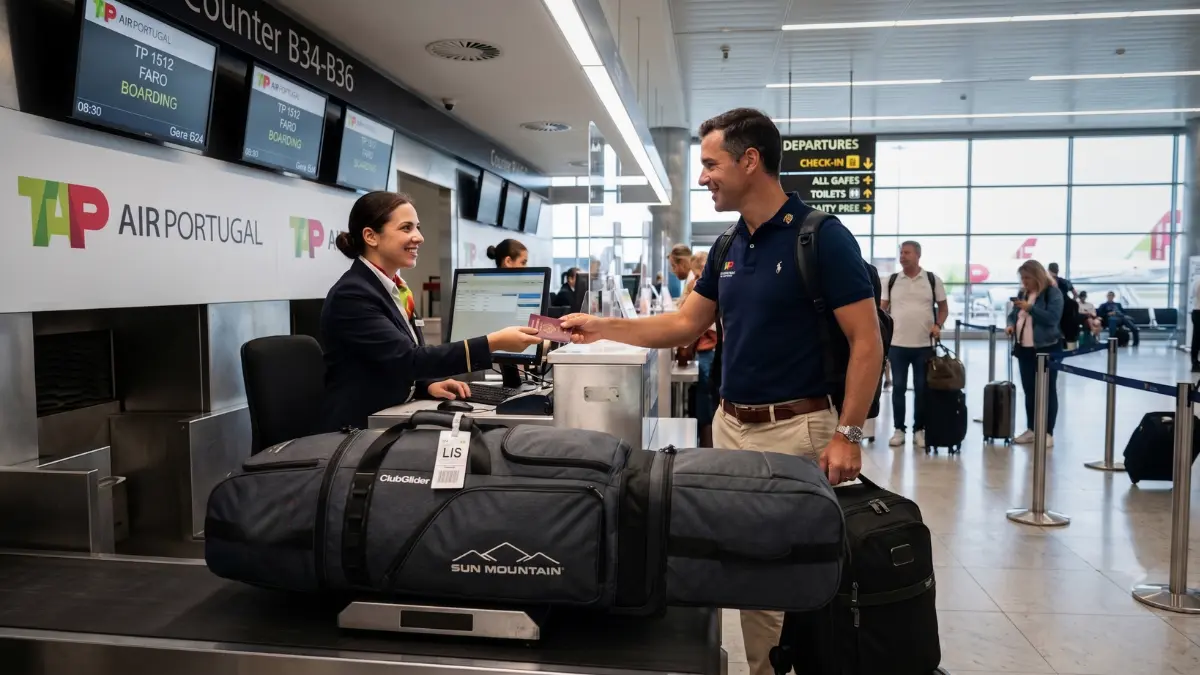
The honest answer is: more than most golfers expect, and not just in euros. TAP Air Portugal treats golf bags as special sports baggage, with fees typically running from around €45 to over €100 depending on route and season, and registration required at least 24 hours before departure . Budget carriers popular for short Algarve or Costa del Sol hops are no kinder — easyJet charges roughly £15 per 3kg increment above a 20kg allowance, on top of its own booking fee for the bag itself . Add the return leg, and a couple travelling with two sets can be looking at well over €200 in fees alone before a single green fee is paid. (Baggage Policies) ; (Greencard Golf)
The Risk Nobody Budgets For
Then there is the handling itself. Industry travel-insurance data puts golf club damage at around 1.2% of checked-bag journeys — a figure that drops below 0.1% with a proper hard case, which says a great deal about how soft-sided bags fare in an aircraft hold . Delayed or misrouted bags are a separate headache entirely: airlines classify a bag as officially lost only after searching for it, sometimes for up to 21 days on international routes, which is considerably longer than most golf trips last. A set that does not arrive on day one rarely arrives in time to matter.(Travel Arbitrage)
Making the Call
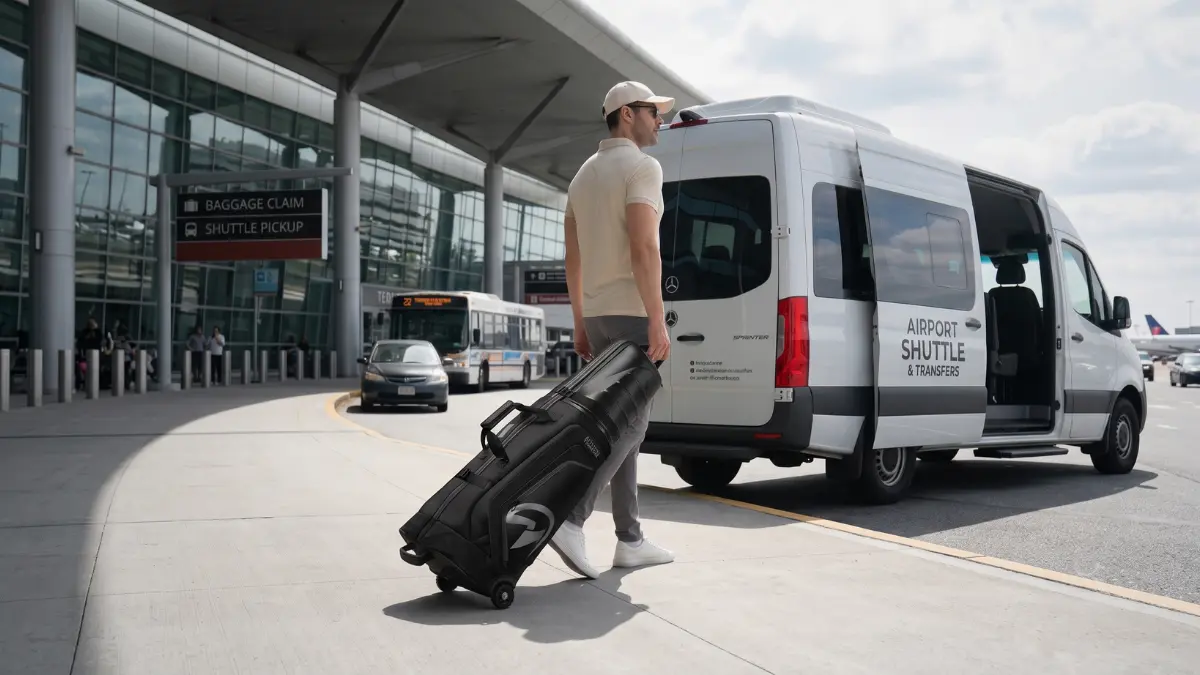
For a golfer who plays one set of clubs, knows every millimetre of it, and is flying direct with a generous baggage allowance, bringing your own remains the better option — the performance benefit outweighs the fee and the modest risk. For anyone connecting through multiple airports, flying a budget carrier with tight weight limits, or simply travelling light, the arithmetic tips the other way. Hiring removes the fee, the risk, and the queue at oversized baggage — the trade-off is playing an unfamiliar set for the week.

Tee Times Golf Holidays offers golf club rental across its portfolio of courses in Portugal and Spain, from major brands delivered directly to the hotel or first tee — a straightforward way to sidestep the whole debate for a shorter trip.
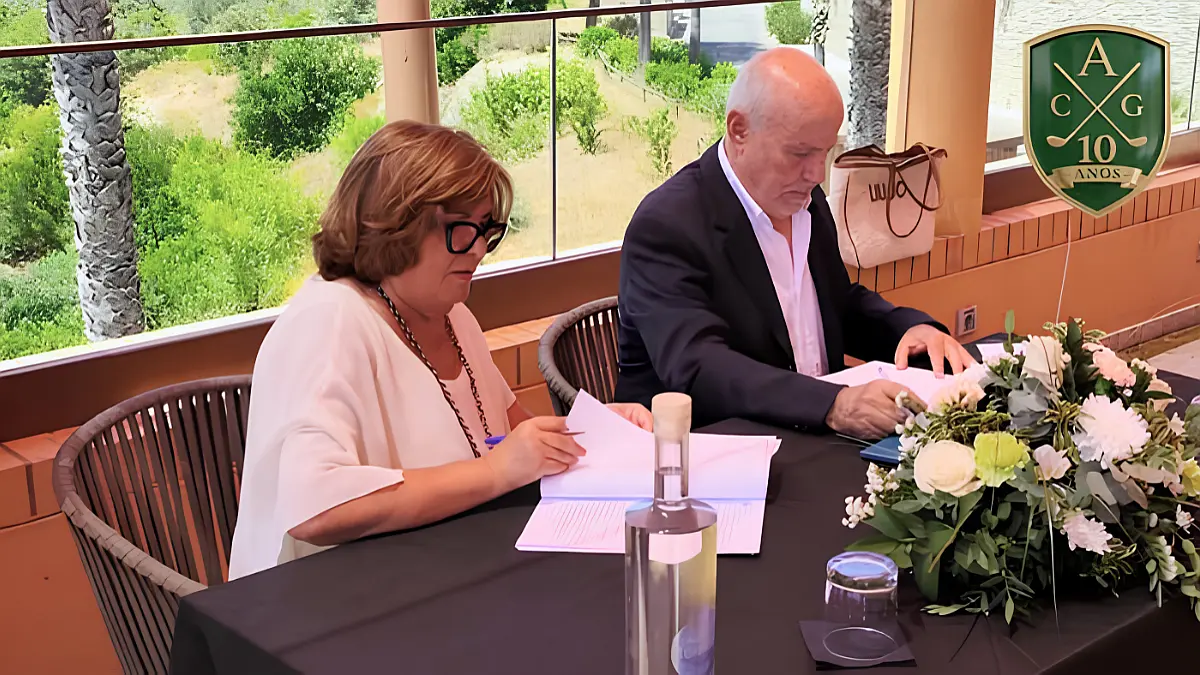 The signing, held at the resort itself, closed a day in which Portugal’s Minister of the Environment and Energy, Maria da Graça Carvalho, opened some of the largest water infrastructure projects the Algarve has seen in years. For a region whose golf depends on rainfall it can no longer take for granted, the timing was not accidental.