

LIV Golf Embraces National Identities as the League Moves Toward a Franchise Model

 width=

LIV Golf is moving decisively toward a franchise-based model built around strong national identities. This strategic shift, already visible across several teams, is expected to continue through the 2026 season, with more rebrands and structural changes likely to be announced. The goal is clear: create teams that feel rooted in culture, geography, and fan identity, bringing the league closer to regional audiences around the world.

The first major step in this direction came with the transformation of Iron Heads GC into the Korean Golf Club. This rebrand went far beyond a name change. With Kevin Na stepping aside and Byeong-Hun An taking over as captain, the team now reflects a distinctly South Korean identity. The new emblem, a white tiger, is deeply symbolic in Korean culture, representing strength, protection, and resilience. The visual and sporting overhaul highlights LIV Golf’s growing focus on Asia as a key growth market.

Soon after, LIV Golf confirmed a second rebrand aligned with the same philosophy. Stinger Golf Club officially became Southern Guards GC, reinforcing its South African roots. The team’s renewed image centers around the rhinoceros, a powerful symbol in South African heritage that reflects endurance, determination, and pride. With this move, LIV Golf strengthens its African presence and reinforces the idea of teams acting as cultural ambassadors, not just competitive units.

This evolution also places the spotlight on Europe and, in particular, golf in Spain. One of the most talked-about teams is Fireballs GC, captained by Sergio García. The team already carries a strong Spanish identity through its players and leadership, making it especially relevant for fans who follow professional golf in Spain. While a full Spanish rebrand is being considered, García has confirmed that discussions are ongoing and no immediate name change has been finalized.

Spain’s importance to professional golf extends beyond team branding. As one of Europe’s most popular destinations for golf holidays, Spain continues to attract international golfers drawn by its climate, world-class courses, and competitive legacy. LIV Golf’s growing alignment with national identities only reinforces this connection between elite competition and tourism-driven golf markets.

Looking ahead, similar branding strategies may expand further across Asia. The team led by Anirban Lahiri is rumoured to adopt the name Southern Balindi GC, aligning the franchise more closely with regional culture and heritage. If confirmed, it would be another step toward LIV Golf’s vision of globally recognisable teams tied to specific markets.

By blending a franchise system with national representation, LIV Golf is creating stronger narratives, deeper rivalries, and more emotional connections with fans. For followers of professional golf, and for those inspired to plan golf holidays around major destinations like Spain, this evolution adds a new layer of meaning to the sport, both on and off the course.

From Podium to Seventh: David Puig’s Tough Ending at the Desert Classic

 width=

David Puig experienced a dramatic ending at the Dubai Desert Classic, one of the most important tournaments on the DP World Tour. The Spanish golfer lost a place on the podium after receiving a two-stroke penalty on the final hole, a decision that changed his final position on the leaderboard.

However, after reviewing video footage, tournament officials ruled that Puig had touched the sand in a bunker on the 18th hole before playing his shot. According to Rule 12.2b of the Rules of Golf, this action is not allowed.

As a result, his final score was adjusted from 73 (+1) to 75 (+3). This penalty dropped Puig from third place to seventh overall, finishing the tournament at seven under par alongside Marcus Armitage and Ricardo Gouveia.

The decision had important sporting and financial consequences. Puig lost prize money and valuable ranking points. As a LIV Golf member, his access to world ranking points is already limited, making strong results in DP World Tour events even more important. Puig is currently ranked around 99th in the world, and a podium finish in Dubai could have moved him much closer to the Top 50, a key requirement for qualifying for golf’s four Major Championships.

Despite the disappointment, Puig continues to show excellent form at the start of the season. The young Spaniard remains one of the most promising players in golf in Spain, regularly competing at the highest level. When playing at home, he is often linked to some of Spain’s most iconic courses, such as Real Club Valderrama, PGA Catalunya, and Club de Golf Barcelona, all popular destinations.

Spain’s reputation as a top golf destination continues to grow, supported by world-class courses and rising stars like Puig. While Dubai ended in frustration, his performances suggest more strong results are still to come.

Jandía Golf Reopens and Brings New Life to Golf in Spain

 width=

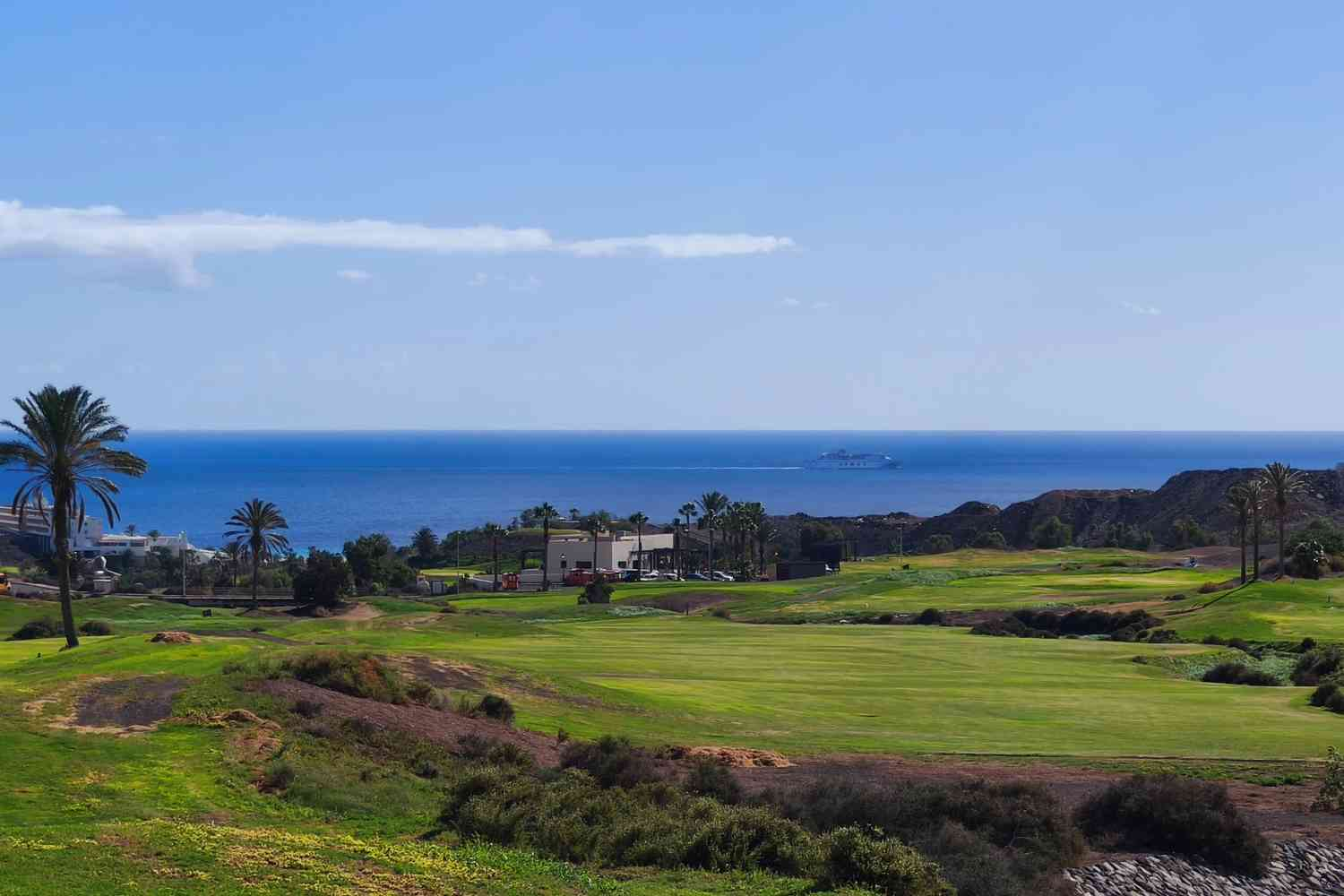
Golf in Spain has welcomed back a very special place. In the south of Fuerteventura, Jandía Golf and the Hotel Jandía Golf by Livvo have reopened, bringing new energy to one of the island’s most recognisable golf settings. This is not just the return of a hotel and an 18-hole course. It is the return of a feeling that many golfers know well. Sunny terraces, relaxed conversations, tee shots shaped by the wind, and quiet drinks at sunset.

After several years closed, the complex is back thanks to an investment of almost 12 million euros and the personal commitment of Miguel Ángel Donaire. Together with a dedicated team, he has worked to restore Jandía to its former place on the golfing map. The result is a resort that feels fresh, welcoming, and ready to be enjoyed again by golfers planning to book golf in Spain.

The reopening was marked by an emotional ceremony attended by around 150 guests from across the island. Local tourism leaders and officials joined the celebration, showing how important this project is for Fuerteventura. The atmosphere made it clear that Jandía Golf is more than a course. It is part of the island’s identity.

One of the highlights of the new Jandía experience is the restaurant 19 by Pellizco, located in the old clubhouse. Led by award-winning chef Rigoberto Almeida, the restaurant adds real value to the resort. Golfers now have another good reason to stay longer, combining a round of golf with quality food and a relaxed setting.

On the course, Jandía Golf has kept its true character. It is a links-style layout where the wind always plays a role. Fairways are generous, but hazards are placed with care, rewarding smart golf. The famous second hole remains a standout, both beautiful and demanding. New plans, including tees close to the hotel and a panoramic terrace near the Pro Shop, are designed to make the course more social and enjoyable.

With Jandía Golf open again, Fuerteventura strengthens its place on the map for golf in Spain. It is a great option for golfers looking for good value, relaxed surroundings, and competitive golf in Spain green fees. For anyone planning their next golf break, this reopening shows that Spain continues to offer fresh and exciting places to play.