
The Canary Islands: Spain’s Year-Round Golfing Secret

No peak season to dodge, no off-season to wait out, just the same welcoming weather window, twelve months running.

Most Spanish golf destinations are a trade-off. Book the Costa del Sol in August and you’re playing through serious heat; book it in January and you’re reaching for a jacket between holes. The whole calendar becomes a negotiation.

Emerald coastline in the Canary Islands

Four hundred kilometres south, off the coast of Morocco, the Canary Islands quietly opt out of that negotiation altogether. The trade winds and the cool Canary Current flatten the curve almost entirely — there’s no brutal summer to avoid and no proper winter to wait out, just a single, remarkably narrow temperature band that holds steady whichever month the flight happens to land in.

The numbers that matter

This isn’t a marginal difference, and it isn’t only a winter story. Tenerife and Gran Canaria sit around 20-21°C through January, mild enough that the sea stays swimmable through the coldest part of the year. Roll forward to August — peak Mediterranean heat everywhere else in Spain — and the islands only climb to around 24-29°C, kept in check by the same trade winds and current.

Monthly averages of the Canary Islands

Compare that with Málaga, where January highs average 14-17°C and August highs push past 33°C. The mainland Costas swing through a 20-degree range across the year. The Canaries barely move 7 or 8 degrees in either direction. For a golfer, that means the calendar stops being a variable — any month works, and the round at hand never has to be rescheduled around the heat or the cold. (Guide to Canary Islands)

Volcanic architecture, not Mediterranean cliché

The other thing the Canaries offer that the mainland Costas can’t replicate is the terrain itself. These are young volcanic islands, and the courses built on them tend to show it. Abama in Tenerife sits carved into a ravine on the island’s northwest tip, framed by banana plantations and the silhouette of Mount Teide — Spain’s highest peak — looming behind it.

Abama Golf Course Tenerife

Anfi Tauro in Gran Canaria threads through a steep inland valley with elevation changes that owe more to Arizona desert golf than anything coastal Spain usually offers.Lanzarote takes this further still. The Lanzarote Golf Course and the more compact Costa Teguise sit on an island whose entire landscape was shaped by eruptions as recent as the 1730s — black volcanic soil, lunar ridgelines, a backdrop that looks nothing like the rest of Spain because, geologically, it isn’t.

Tenerife: altitude and ocean in the same round

Tenerife’s golf benefits from genuine variety, helped along by an island that rises from sea level to nearly 3,700 metres inside a few dozen kilometres. Real Club de Tenerife, founded in the early twentieth century, remains one of the most established clubs in the Canaries.

Real Golf Club in Tenerife

Further south, Amarilla Golf & Country Club plays along volcanic cliffs above the Atlantic, with several holes running close enough to the water that the swing thoughts compete with the view.

Gran Canaria: a continent in miniature

Gran Canaria is sometimes called a miniature continent, and the golf reflects that range. Maspalomas Golf Course runs along the edge of the island’s famous dunes — a links-style test with the Sahara-like sand dunes as a backdrop rather than the usual sea grass.

Maspalomas Golf Course, Sand Dunes aand Green Fairways

Real Club de Golf Las Palmas, meanwhile, is the oldest golf club in Spain, founded in 1891, and sits inside the rim of an extinct volcanic crater at Bandama — a setting that’s difficult to find anywhere else in Europe.

Where the rounds end the day

None of this matters much if the rest of the trip doesn’t hold up, and it does. The southern resorts on Tenerife and Gran Canaria are built for exactly this kind of break — proper hotels, good spas, and restaurants that take the local seafood seriously. Canarian cuisine has its own identity, distinct from the mainland: papas arrugadas with mojo sauce, fresh vieja parrotfish, and a wine scene shaped by volcanic soil that produces something genuinely unusual in the glass.

The golf, the climate, and the landscape all point the same direction: this is a destination that doesn’t ask the golfer to pick a season. There’s no “best time to go” caveat to factor in, no shoulder months to chase — just a calendar that stays playable from the first week of January to the last week of December.

Browse Canary Islands golf holidays and pick the month that suits you — not the one the weather dictates.


Vote for Tee Times

La Zambra – A return worth making

The Costa del Sol has no shortage of places to stay. Finding one that stays with you is a different matter.

The approach to La Zambra already tells you something is different. The road climbs through the Mijas hills — white walls catching the late light, the Sierra sitting heavy behind the property, and the fairways of Los Lagos laid out below like someone planned the whole view deliberately. They probably did.
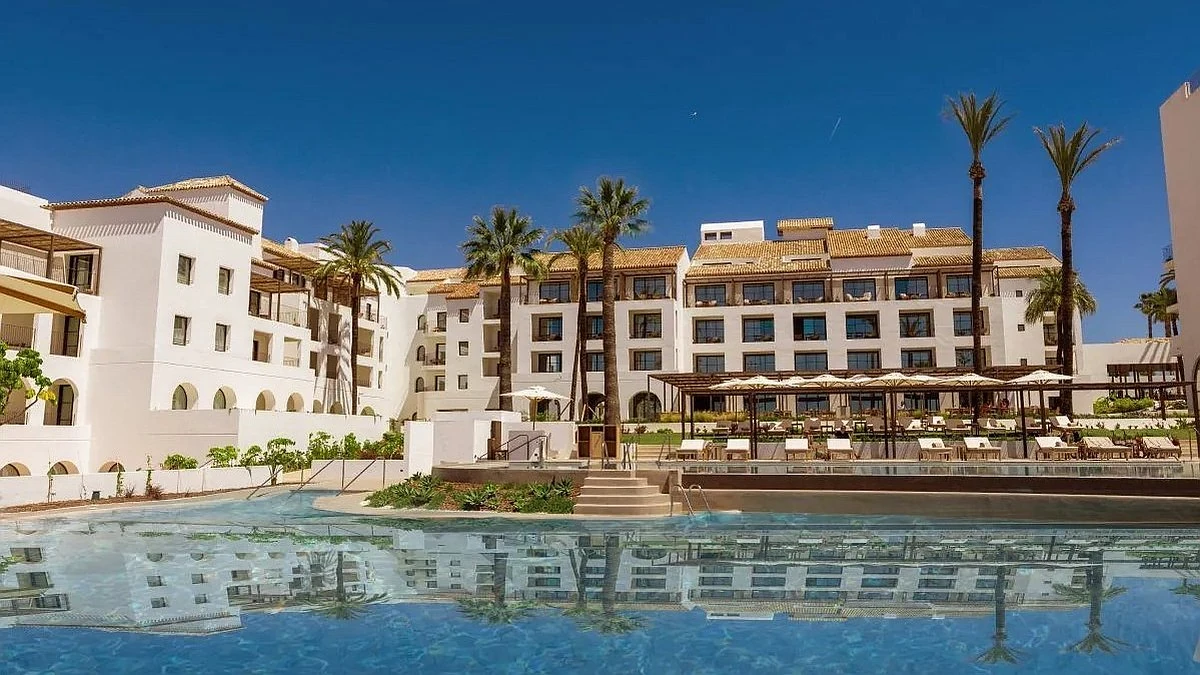
Zambra Resort Grandeur

La Zambra was the Byblos hotel in a previous life. In the eighties and nineties it was the kind of address that required no explanation — European royalty, celebrities, and Julio Iglesias arriving by helicopter with the casual confidence of a man who considers that a normal Tuesday.

The hotel closed in 2010. It reopened as part of Hyatt’s Unbound Collection, and whoever oversaw the restoration understood what was worth keeping. The blue tiles are still there. So are the whitewashed Andalusian walls and the courtyard patios that make you slow down without quite deciding to.

My room looked directly over Los Lagos. A welcome note on the desk — the kind of small gesture that costs almost nothing and lands better than most things that cost a great deal.
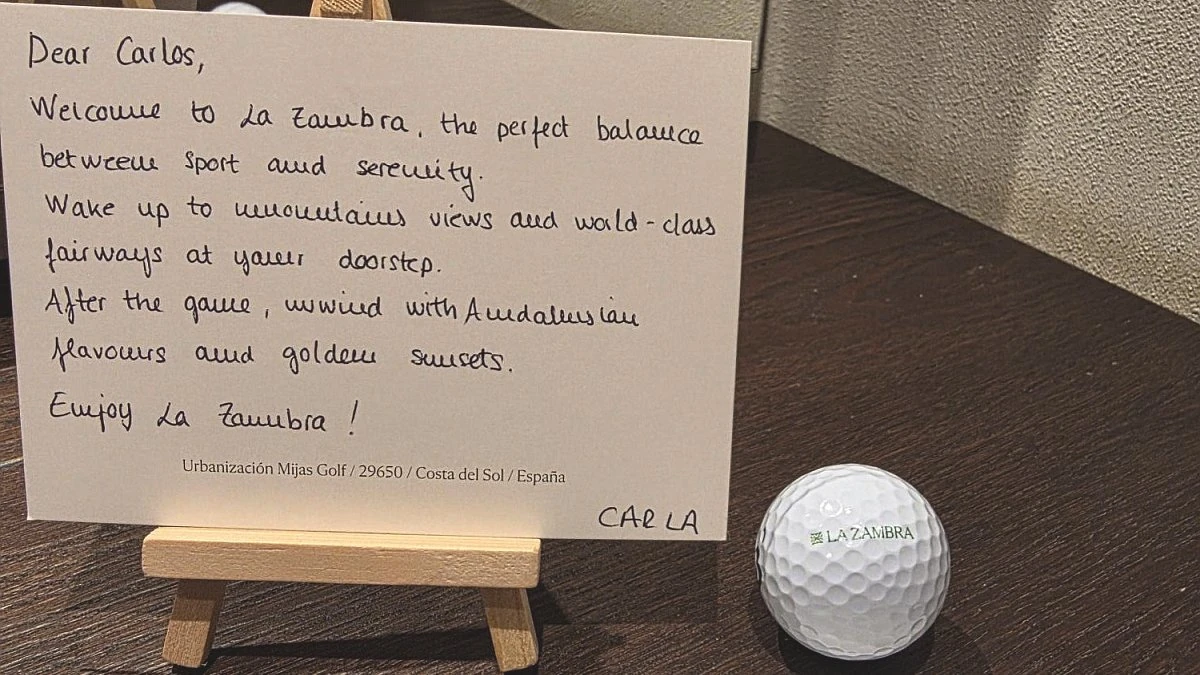
Zambra Resort Personal Welcome

Two Robert Trent Jones courses sit alongside the hotel, reachable by buggy from the door. Los Lagos is the more open of the two — wide fairways, lake hazards threading through several holes, a layout that rewards clean ball-striking without being punishing. Los Olivos is a different conversation entirely: tighter lines, more demanding approach angles, greens that require genuine thought rather than optimism. Twelve further courses sit within fifteen minutes of the hotel.
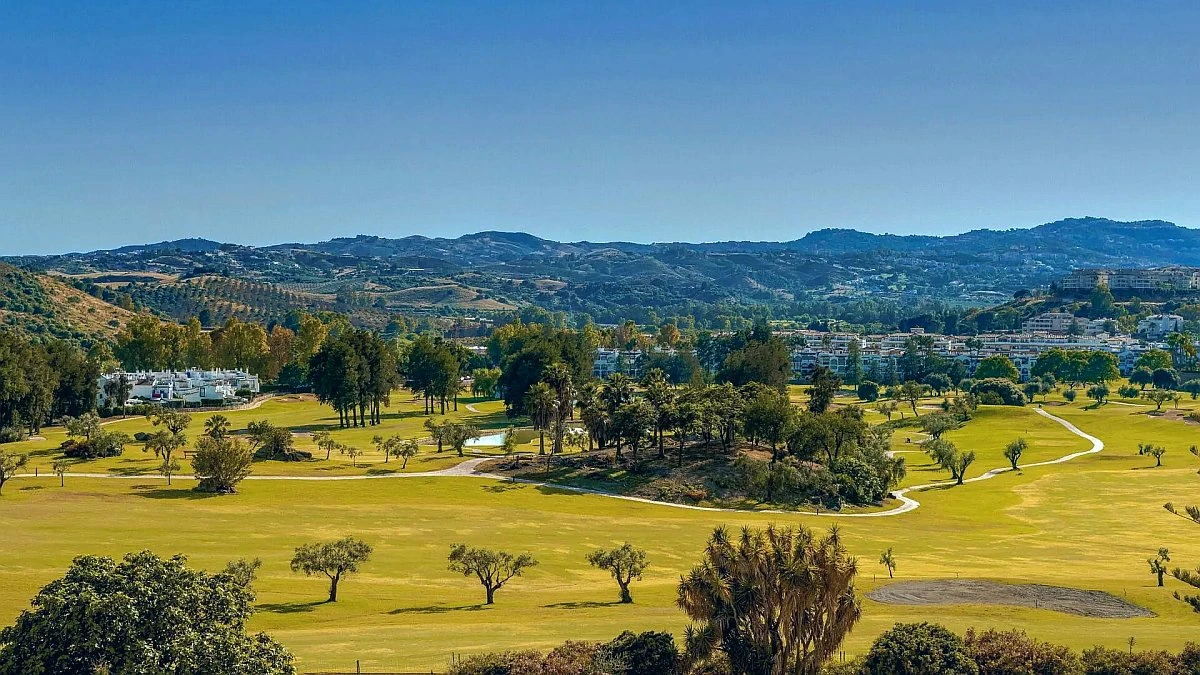
Zambra Golf Course View Distance

Dinner at Picador most evenings — genuinely delicious Andalusian cooking, executed with real conviction. Breakfast at Palmito is more generous than any round of golf strictly requires, which I chose to treat as preparation rather than excess. The spa is the largest on the Costa del Sol and earns that distinction quietly.

Málaga airport is twenty-five minutes away. Marbella is close enough to visit without it becoming the point of the trip. Mijas village, just up the hill, is the quietest corner of a coastline that is not always quiet.

La Zambra is not the kind of property that needs to compete for attention. The golf is excellent. The hotel earns its place alongside it. For anyone who takes this game seriously, that combination is rarer than it should be.

_______________________________________________________________________

La Zambra is bookable through Tee Times, with green fees, packages, and transfers all taken care of. Browse our golf holidays in Costa del Sol or go straight to the La Zambra resort page to put a special holiday together.
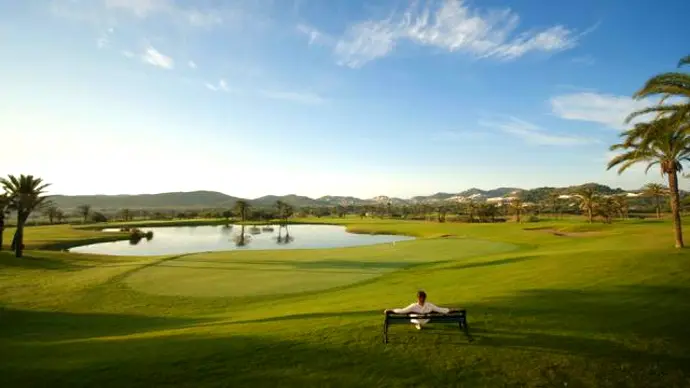
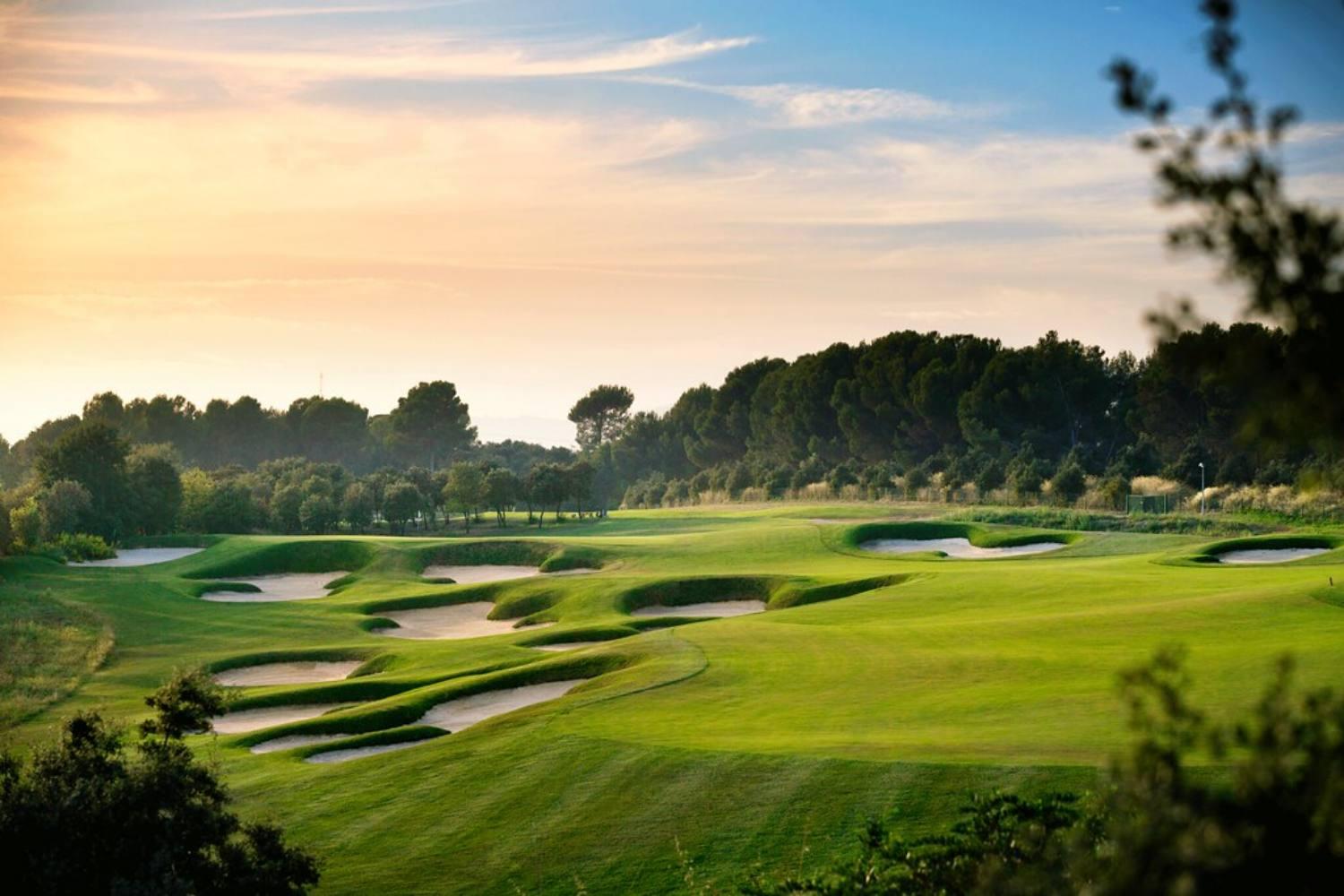
Spring in Spain: The Perfect Season for Golf Holidays

Spain Golf Holidays - Costa Blanca - La Manga Golf

As winter gradually fades across Europe, spring in Spain brings a quiet but striking transformation. Trees begin to bloom, the Mediterranean breeze softens the air, and golf courses emerge from winter with vivid green fairways. For many travellers, this seasonal change marks the start of one of the most enjoyable periods for Spain golf holidays.

Between March and May, the country offers near perfect conditions for golf. Temperatures are typically mild, often ranging between 18 and 24 degrees Celsius, creating comfortable days on the course without the intensity of the summer heat. Morning tee times feel crisp and calm, while the afternoons remain pleasant enough to enjoy long rounds or relaxed moments at the clubhouse.

Spring also highlights the natural beauty of Spain’s golf regions. Courses framed by mountains, coastal cliffs or rolling countryside appear at their most vibrant after the winter rains. Destinations such as the Costa del Sol, Costa Blanca and Catalonia attract golfers from across Europe who come to experience both the landscapes and the exceptional course design.

Some of the country’s most famous layouts become particularly appealing during this time of year. The legendary Real Club Valderrama, widely regarded as one of Europe’s finest courses, offers immaculate fairways surrounded by cork oak forests. Nearby, Finca Cortesin Golf Club combines championship design with sweeping Mediterranean views. In Catalonia, the renowned Real Club de Golf El Prat provides multiple layouts designed by Greg Norman, known for their strategic challenge and natural setting.

For travellers planning Spain golf holidays, spring offers an appealing balance. Courses are in excellent condition, visitor numbers remain manageable, and the surrounding regions are alive with seasonal energy. After a round, golfers can explore historic villages, enjoy fresh Mediterranean cuisine, or simply relax on a sunny terrace overlooking the fairways.

In Spain, spring does not just signal the arrival of warmer days. It opens the door to a season where golf, landscape and lifestyle come together naturally, creating the perfect setting for memorable holidays.